Horseshoe Bend National Military Park
Visiting Horseshoe Bend brought us to the site of one of the most consequential and devastating battles in the history of the Creek Nation. On March 27, 1814, Major General Andrew Jackson led approximately 3,300 soldiers and allied Cherokee and Lower Creek warriors against Chief Menawa and about 1,000 Red Stick Creek warriors. Menawa’s people had fortified themselves within a horseshoe-shaped bend of the Tallapoosa River.
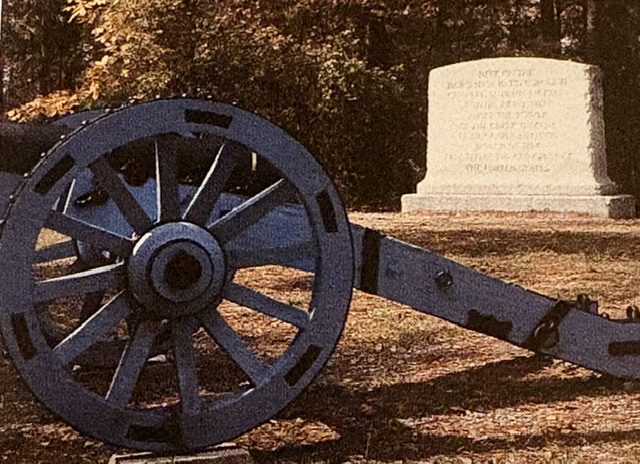
Jackson’s forces surrounded the bend and broke through the Creeks’ log barricade. By the end of the day, more than 800 Red Stick warriors had been killed. Menawa, although severely wounded, escaped. The defeat effectively ended organized Red Stick resistance in the Creek War and helped establish Jackson as a national military hero, contributing to his later rise to the presidency.
The consequences extended far beyond the battlefield. Under the Treaty of Fort Jackson, signed in August 1814, the Creek Nation was forced to surrender approximately 23 million acres in what is now Alabama and Georgia. The seizure included land belonging to Creeks who had fought alongside Jackson, opening much of the region to white settlement and laying the groundwork for Alabama’s admission to the Union in 1819.
Congress authorized Horseshoe Bend National Military Park in1956 and signed by President Dwight D. Eisenhower. After the required land was transferred to the federal government, Eisenhower formally dedicated the park by presidential proclamation in 1959. The cannon and monument stand within a landscape preserved not simply as the scene of an American military victory, but as a place to remember the Creek people who fought, died, and lost much of their homeland as a result.
Read More From Nancy
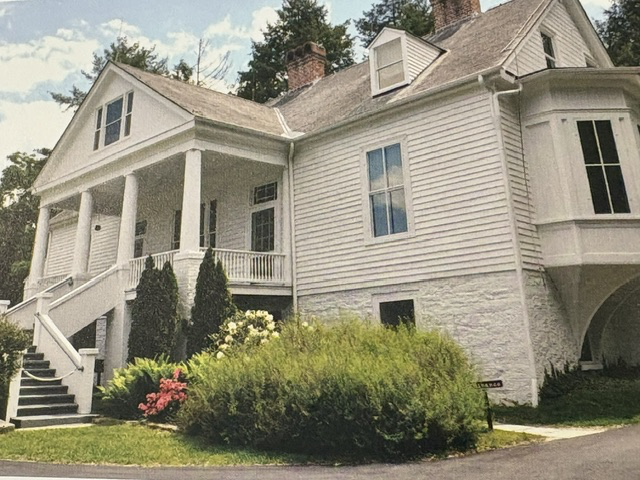
Carl Sandburg Home National Historic Site
Carl Sandburg Home National Historic Site preserves the home and farm where one of America’s most important twentieth-century writers spent the final years of his life. A nationally renowned poet, journalist, biographer, and winner of three Pulitzer Prizes, Carl Sandburg used his writing to explore the lives, struggles, language, and spirit of the American people. […]
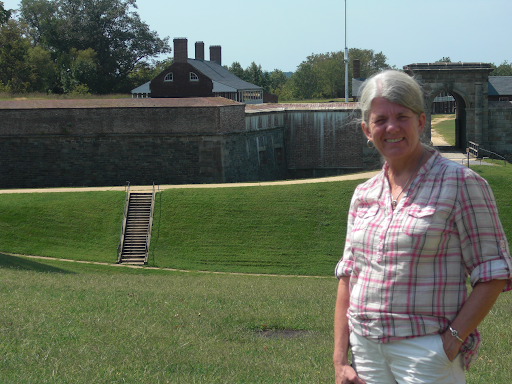
Fort Pulaski National Monument
Fort Pulaski National Monument is just outside of Savannah, GA and was once considered nearly impenetrable, a masterpiece of early American coastal defense. Construction of Fort Pulaski began in 1829 as part of the United States Third System of fortifications, designed to protect the nation’s coastline following the War of 1812. It was named after Casimir Pulaski, a Polish […]
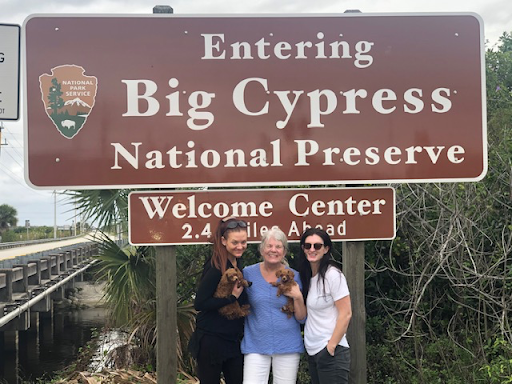
Big Cypress National Preserve
Big Cypress is not exactly a national park, but a national preserve. A national preserve allows certain traditional uses to continue while still protecting the land. When Congress established Big Cypress in 1974, it became one of the very first two national preserves in the country, Big Cypress protects nearly 729,000 acres of land, making […]

