Carl Sandburg Home National Historic Site
Carl Sandburg Home National Historic Site preserves the home and farm where one of America’s most important twentieth-century writers spent the final years of his life. A nationally renowned poet, journalist, biographer, and winner of three Pulitzer Prizes, Carl Sandburg used his writing to explore the lives, struggles, language, and spirit of the American people.
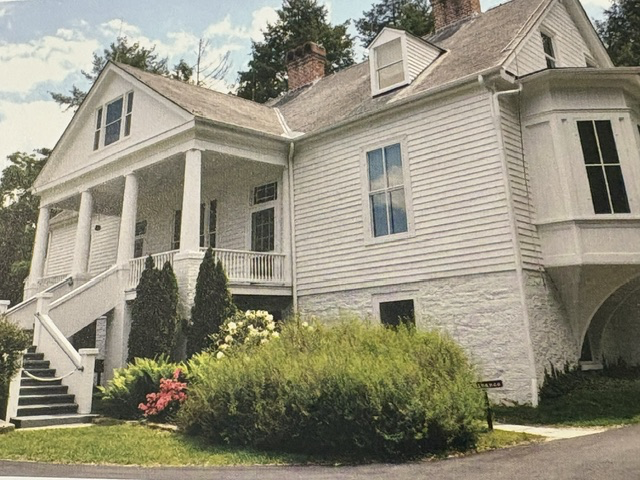
In 1945, Carl and his wife, Lilian, moved with their family to this property in Flat Rock, North Carolina. Known as Connemara, the farm encompassed more than 240 acres of rolling pastures, woods, ponds, and mountain landscape. For Sandburg, it offered the peace and solitude he needed to write. He maintained a large library and often worked late into the night, producing a significant amount of his later work here.
The move was equally important for Lilian Sandburg. She was an accomplished breeder of dairy goats and needed enough land to expand her herd. More than 30 acres of Connemara were devoted to her goats. She became nationally recognized for her breeding program, producing champion animals and working to improve the milk-producing qualities of several breeds. The descendants of her herd remain an important part of the site today.
The Sandburgs were an interesting partnership. While Carl filled the house with books and worked on his poetry, biographies, children’s stories, and folk songs, Lilian managed the farm and her increasingly respected goat-breeding operation. Connemara was not simply a writer’s retreat; it was a working family farm.
Sandburg had already achieved national recognition before arriving here. His poetry captured the language and experiences of working Americans, while his monumental biography of Abraham Lincoln became one of his best-known accomplishments. He received Pulitzer Prizes for history for his Lincoln writings and twice for poetry. He was also deeply interested in American folk music, traveling with a guitar and collecting songs that he published in his 1927 collection, The American Songbag.
Sandburg continued writing at Connemara until his death in 1967 at the age of 89. Remarkably, much of the house remains as the family knew it. Books line the rooms, along with furniture and personal possessions, creating the feeling that this was a working home rather than a house later recreated as a museum.
After Sandburg’s death, the family sold the property to the federal government so that it could be preserved. Congress authorized the Carl Sandburg Home National Historic Site on October 17, 1968, and the National Park Service now cares for the house, farm, landscape, collections, and literary legacy of the Sandburg family.
There was also a personal connection for me in visiting Sandburg’s home. When I was young, it was Carl Sandburg’s writing about Abraham Lincoln that helped bring Lincoln’s story to life for me. Through Sandburg’s words, I came to admire Lincoln, and he became one of my childhood heroes. Years later, walking through the home where Sandburg spent the final decades of his life gave me an opportunity to connect the writer I had read as a young person with the man and the place behind those words.
Read More From Nancy
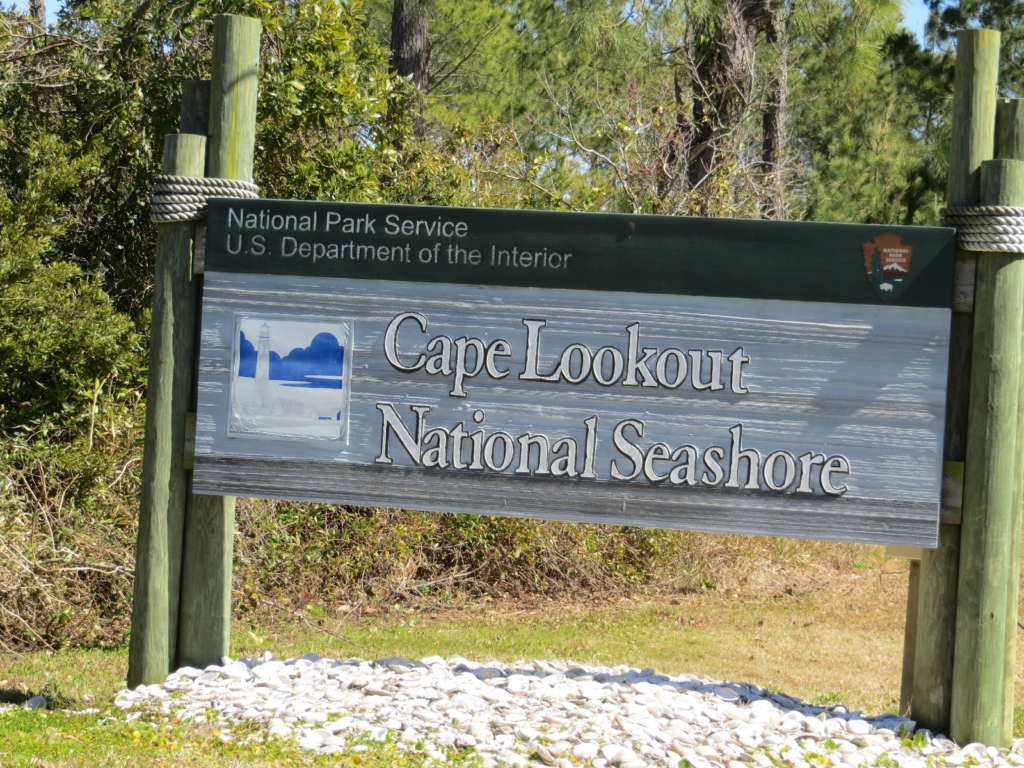
Cape Lookout National Seashore
Cape Lookout National Seashore stretches along the southern Outer Banks of North Carolina, protecting 56 miles of underdeveloped barrier islands. It feels wonderfully remote where ocean, dunes and marsh create a landscape that moves with the wind and tide. The seashore was authorized by Congress in 1966 and officially established in 1976, preserving the fragile barrier […]
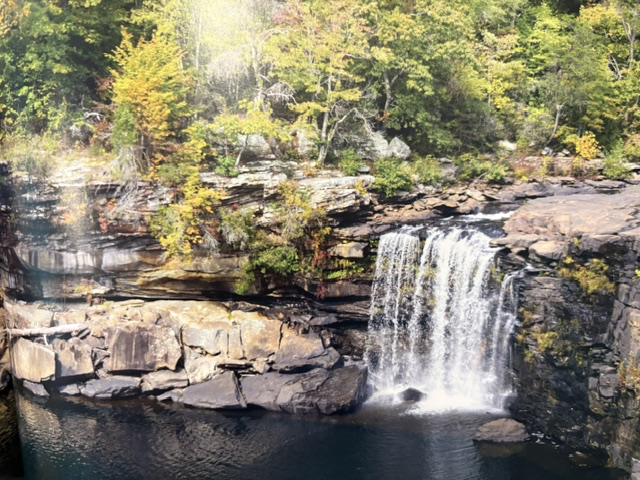
Little River Canyon National Preserve
Little River flows for most of its length across the top of Lookout Mountain in northeastern Alabama. Rather than beginning in a valley, the river travels across the Appalachian Plateau before cutting deeply into layers of sandstone and forming the dramatic landscape of Little River Canyon. The canyon contains forested cliffs, rocky overlooks, pools, rapids […]
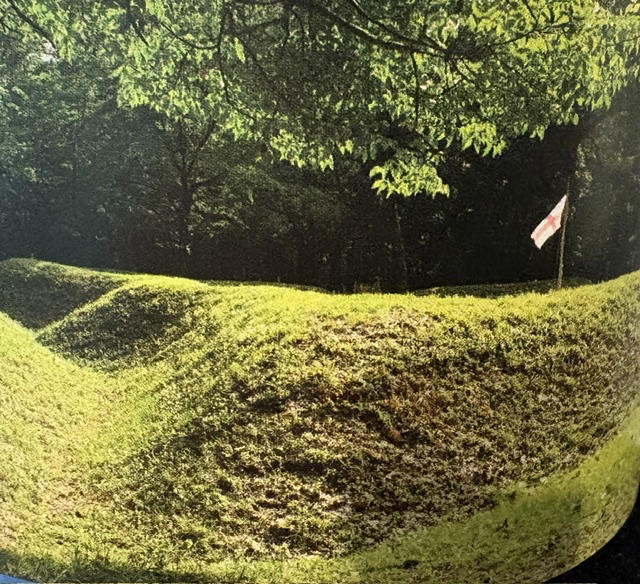
Fort Raleigh National Historic Site
Fort Raleigh National Historic Site on Roanoke Island, North Carolina, was established on April 5, 1941, to preserve the site of England’s first attempt to establish a permanent colony in the New World and to interpret one of the greatest mysteries in American history. Overlooking the waters of Albemarle Sound, this quiet landscape marks the place […]

