Fruitlands Farmhouse
The farmhouse at Fruitlands is a house that we visited often. When my daughters were volunteering at the Orchard House in Concord, the farmhouse at Fruitlands helped fill in another part of the story of the Alcott Family.
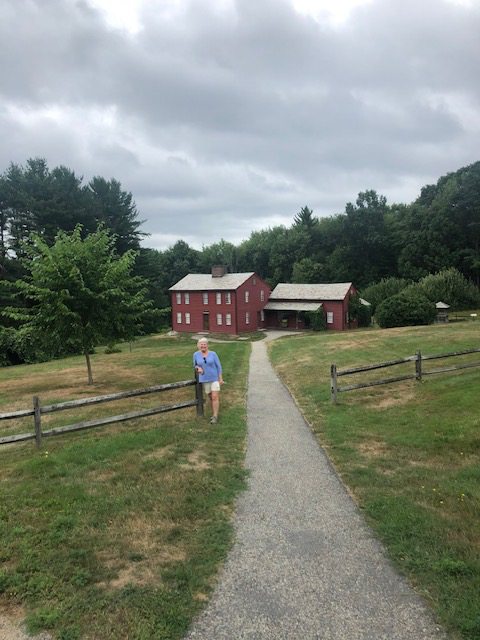
It was here that Bronson Alcot attempted to create and intentional community based on transcendentalist ideals. In 1843, he and a small group of like-minded thinkers established what they called the Fruitlands community in the rural hills of Harvard, Massachusetts.
The goal was ambitious and deeply philosophical. The residents helped to live a life of simplicity, self-sufficiency, and spiritual development, free from the influences of commerce and materialism. They planned to farm the land, grow their own food, and devote themselves to intellectual and moral improvement.
The ideas behind the community were noble, but the reality of daily life soon intruded. The land was difficult to cultivate, the growing season was short, and many of the members were far better suited to philosophical discussion than to the hard physical labor required to sustain a working farm.
During this time the Alcott daughters were still quite young. Louisa and her sisters lived in the farmhouse with their parents and the other members of the community. The girls slept in the cold attic room, enduring the harsh New England winter while the adults struggled to keep the experiment alive.
The community lasted only a few months. As winter approached and food supplies dwindled, it became clear that the experiment could not succeed. Louisa May Alcott later reflected on this experience in her writings, including the satirical story “Transcendental Wild Oats”, which described the challenges of trying to turn lofty ideals into practical daily living.
In the farmhouse, it is easy to imagine the tension between vision and reality that played out within its walls. The dream of a perfect community met the demands of farming, weather and human nature. Ideas may inspire, but communities survive through steady work of everyday life. Not everyone can be a philosopher, someone also must do the work.
Read More From Nancy
Gore Place
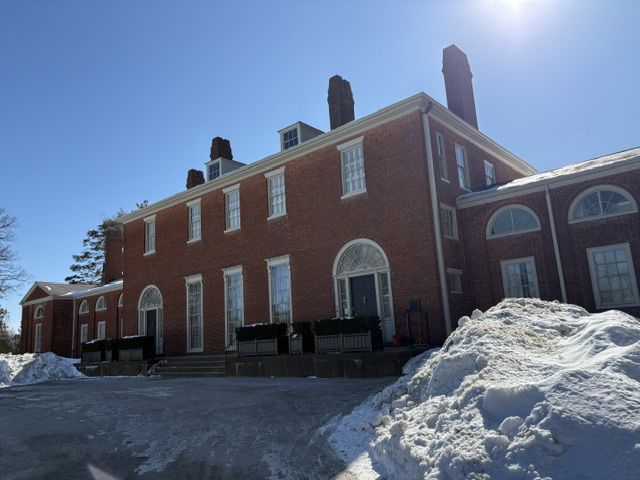
Surrounded by open lawns and mature trees, the Gore Place remains one of the finest surviving Federal-era estates in New England and offers a glimpse into the aspirations of the young American republic. Gore Place was built between 1804 and 1806 for Christopher Gore and his wife, Rebecca Amory Payne Gore. Christopher Gore was one of […]
Gropius House
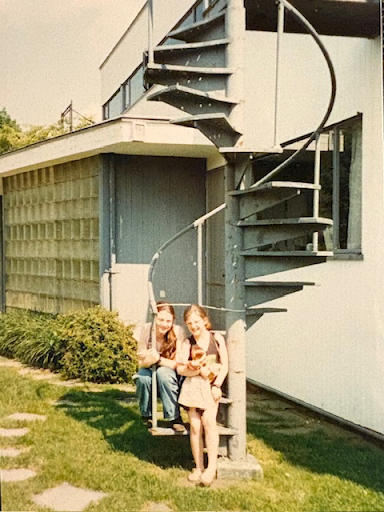
We have visited the Gropius House in Lincoln several times, and often the tours were international. More than once, we found ourselves alongside visitors from Europe, particularly Germany, drawn here because of the reputation of the man who designed and lived in this remarkable home. The house was built in 1938 by Walter Gropius, one of […]
The Benjamin Nye Homestead
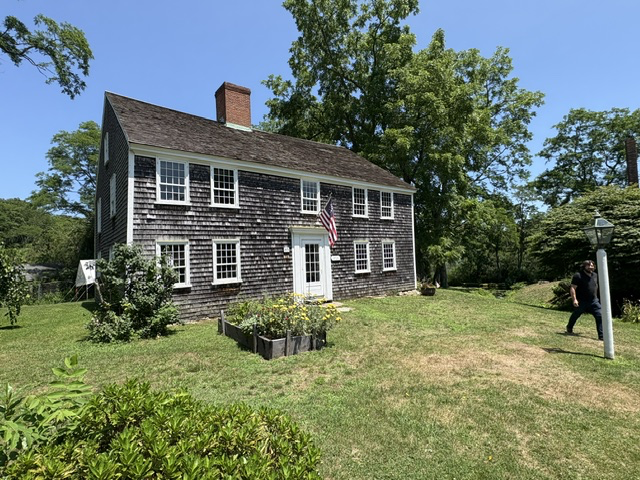
While exploring East Sandwich, I stopped at the Benjamin Nye Homestead. From the outside it looks like the kind of weathered, shingled house that seems completely at home on Cape Cod. What I didn’t initially appreciate was just how old it is. The earliest portion of this house was built in 1678, making it one […]

