Thoreau’s Cabin
While visiting Walden Pond, I stopped at this replica of Henry David Thoreau’s famous cabin. Although the original cabin no longer exists, this reconstruction offers visitors an opportunity to imagine the simple life Thoreau embraced while living beside the pond from 1845 to 1847.
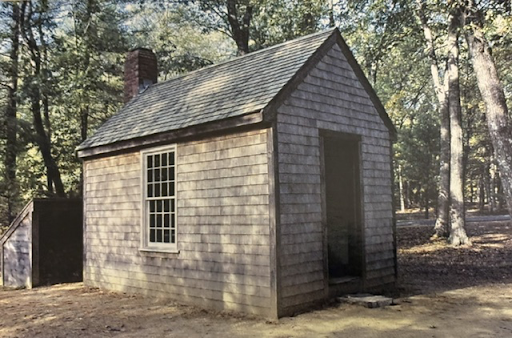
At just 10 by 15 feet, the cabin reflected Thoreau’s belief that happiness did not depend on wealth or possessions. He built it himself on land owned by his friend Ralph Waldo Emerson for about $28 and furnished it with only the essentials. During his two years, two months, and two days at Walden Pond, Thoreau grew food, read, wrote, and carefully observed the natural world around him.
His experiences became the foundation for Walden; or Life in the Woods, published in 1854. More than a memoir, the book challenged readers to examine what was truly necessary in life. Thoreau encouraged people to live deliberately, to appreciate nature, and to question society’s constant pursuit of material success. His ideas have influenced generations of writers, conservationists, philosophers, and advocates of simple living.
Although this cabin is a replica, standing beside it made it easier to appreciate just how modest Thoreau’s home really was. Thoreau’s little cabin remains a symbol of thoughtful living, self-reliance, and the enduring relationship between people and the natural world.
Read More From Nancy
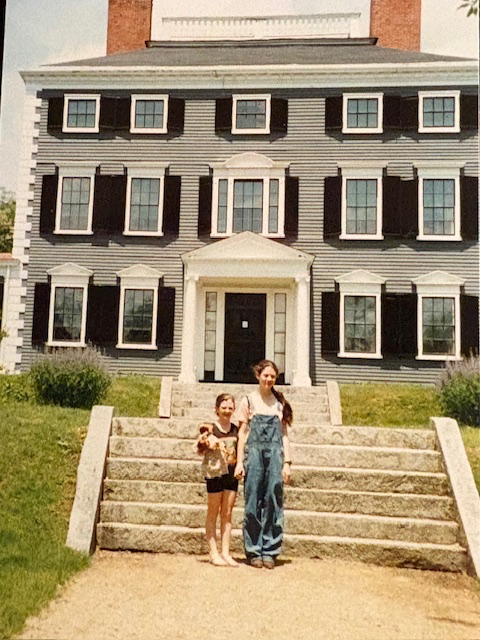
Codman Estate
The Codman House in Lincoln, known as The Grange, stands as one of the most elegant and layered historic homes in Massachusetts, and is another home that we have visited often. There is something about returning to a place like this that deepens appreciation with each visit. Build around 1747, and later expanded, the house […]
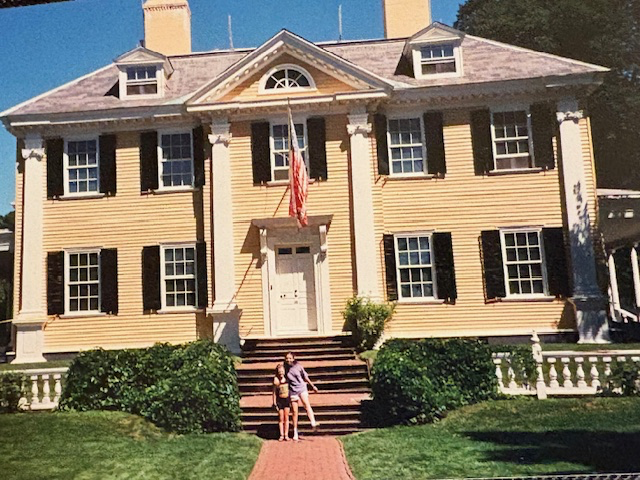
Longfellow/Washington Headquarters
Standing in front of this house, it is easy to admire the symmetry, but its story reaches far beyond what you first see. This is the Longfellow House/Washington’s Headquarters in Cambridge. Built in 1759, it was originally the home of a wealthy Loyalist family. But its place in history changed quickly with the outbreak of the […]
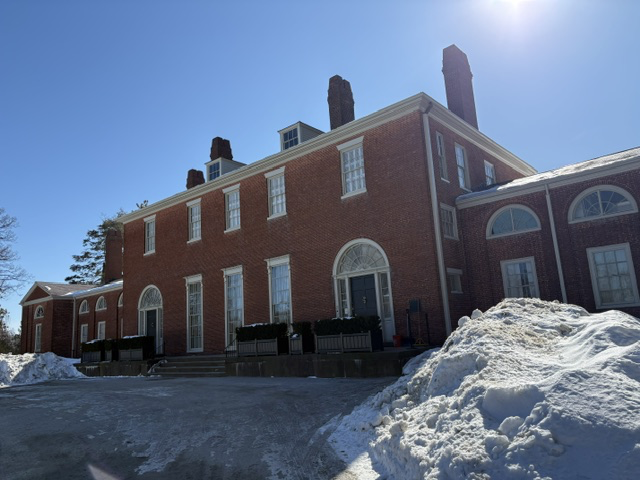
Gore Place
Surrounded by open lawns and mature trees, the Gore Place remains one of the finest surviving Federal-era estates in New England and offers a glimpse into the aspirations of the young American republic. Gore Place was built between 1804 and 1806 for Christopher Gore and his wife, Rebecca Amory Payne Gore. Christopher Gore was one of […]

