Jackson Homestead
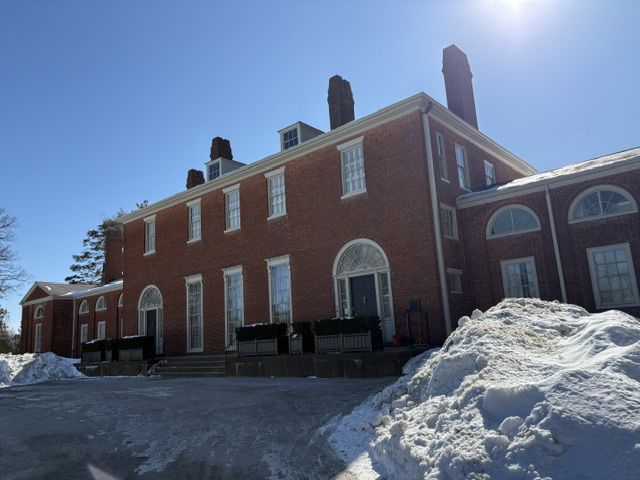
We have visited the Jackson Homestead in Newton many times over the years. Along with its rich local history, the house holds an important place in the story of the Underground Railroad. When I first visited it with my children, I remember seeing the iron shackles that had once been used on enslaved people. Seeing those artifacts made the history of slavery feel more real in ways that books alone could never convey.
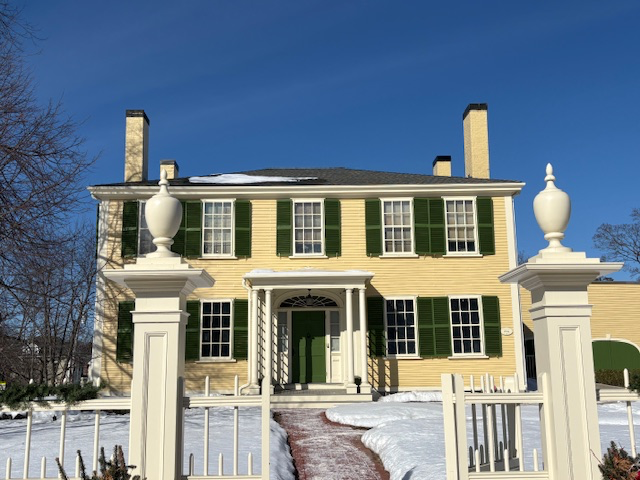
The house was built in 1809 by Timothy Jackson, a prosperous merchant who lived along the important road between Boston and the western towns of Massachusetts. The elegant Federal-style home stood along the Worcester Turnpike, a major travel route in the early nineteenth century.
During the decades before the Civil War, the house became connected with the abolitionist movement and the efforts to help enslaved people escape to freedom. It is believed that the Jackson family allowed the house to serve as a safe stop along the Underground Railroad, the network of secret routes and safe houses used by freedom seekers fleeing slavery in the South. Newton and the surrounding Boston region had strong abolitionist communities and homes like this one played a role in that struggle.
The house also witnessed a pivotal moment in local history. In 1834, Newton residents gathered here during what became known as the “Jackson Homestead Meeting,” a public protest against slavery and discrimination. The meeting was controversial at the time, and it reflected the growing tension across the country over the issue of slavery.
Over time, as Newton grew from a rural town into a thriving suburban city, the Jackson Homestead remained as a reminder of the earlier community that had once gathered around it. In the twentieth century the house was preserved and eventually became a museum dedicated to Newton’s local history.
Today, the museum tells many stories about the early farming community that once surrounded the house, about Newton’s development during the nineteenth century and about the people who stood against slavery in the years before the Civil War.
Read More From Nancy
Castle Hill
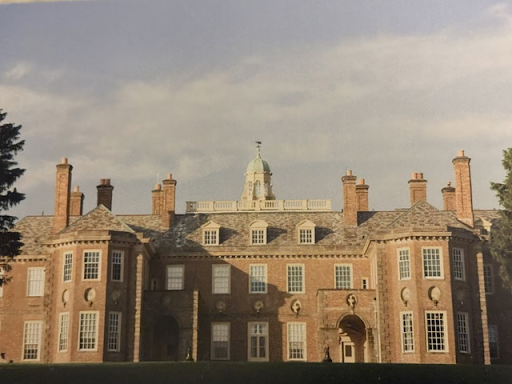
Perched high above the salt marshes and Atlantic coastline of Ipswich, Massachusetts, Castle Hill on the Crane Estate is one of the great surviving country estates of New England. The massive brick mansion and endless coastal views create a setting that feels both grand and connected to the natural beauty surrounding it. Built in 1918 for […]
George Middleton House
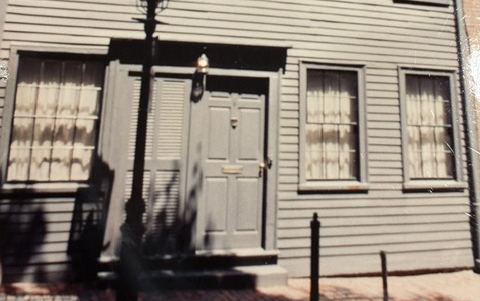
Standing at 5 Pinckney Street on Boston’s Beacon Hill, the George Middleton House preserves an important chapter in the city’s early African American history. Constructed between 1786 and 1787, it is considered the oldest surviving residence on Beacon Hill and a rare example of a late-eighteenth-century Boston home built and owned by African Americans. The […]
The Paul Revere House
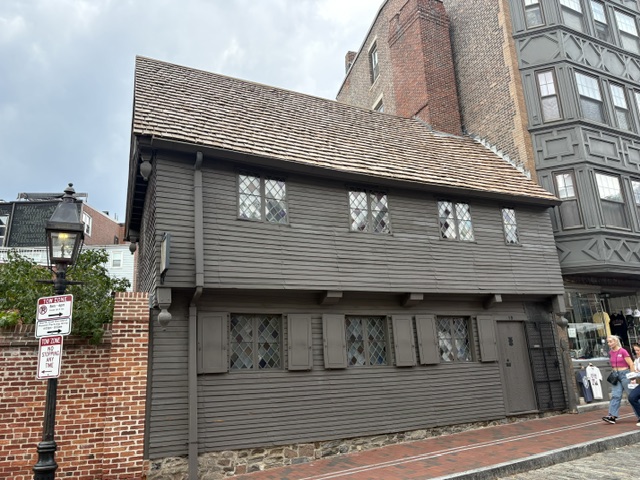
Many of our visits to Boston lead us along the Freedom Trail, even if we follow only a small portion of it. As we meandered through the North End, we returned to the Paul Revere House in North Square. Its wooden exterior, overhanging second story, and diamond-paned windows stand apart from the taller buildings surrounding […]

