Wright Brothers National Memorial
When visiting the Outer Banks of North Carolina, Erin and I spent a day at the Wright Brothers National Memorial, the very place where powered flight first lifted off the plane and changed human history.
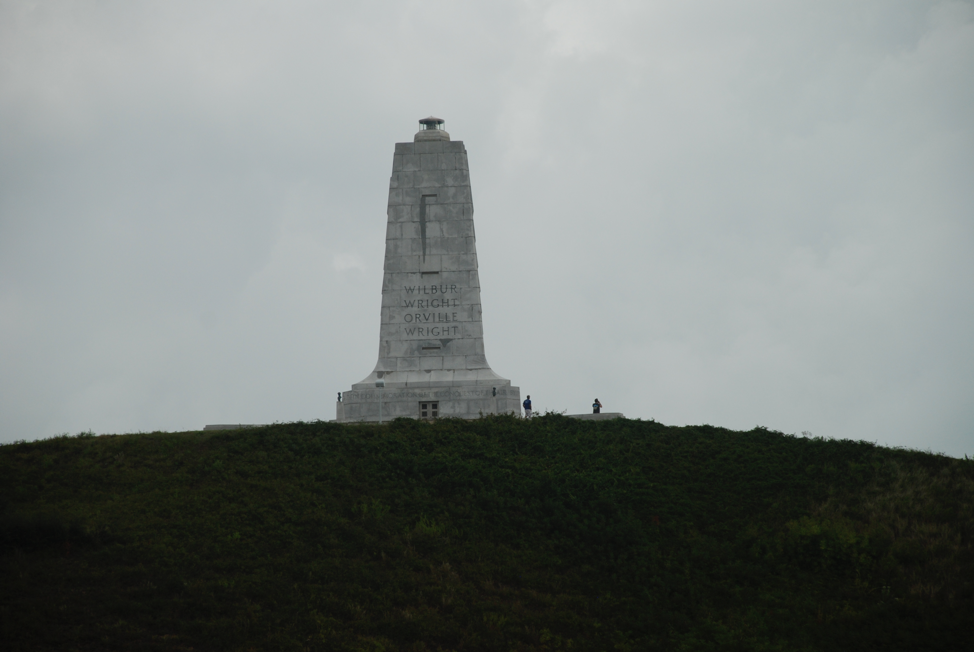
Set in Kill Devil Hills, the memorial preserves the windswept dunes where Wilbur and Oliver Wright achieved the world’s first successful, sustained, powered airplane flights on December 17, 1903.
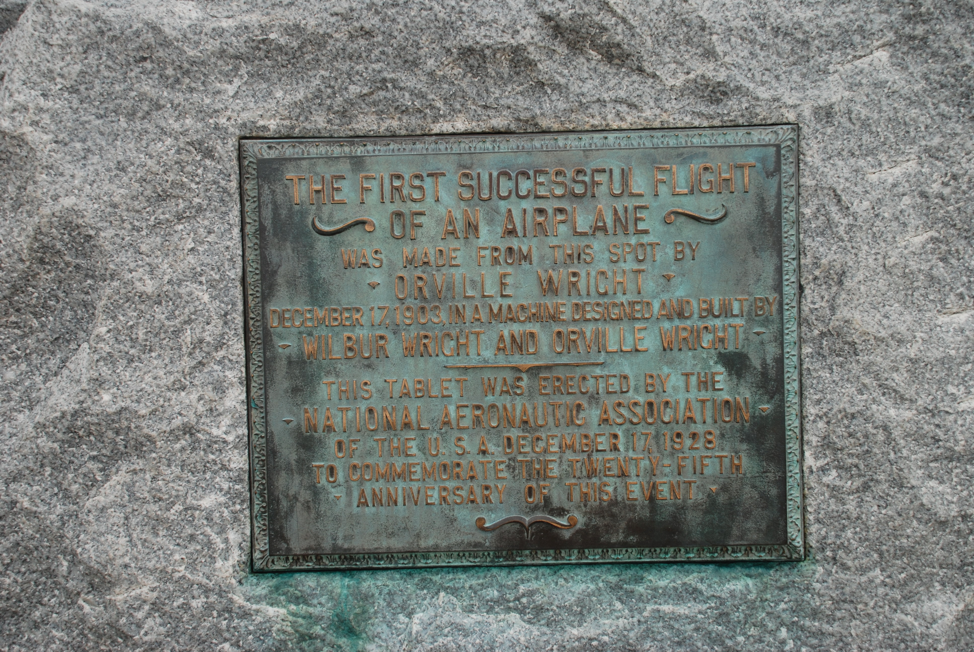
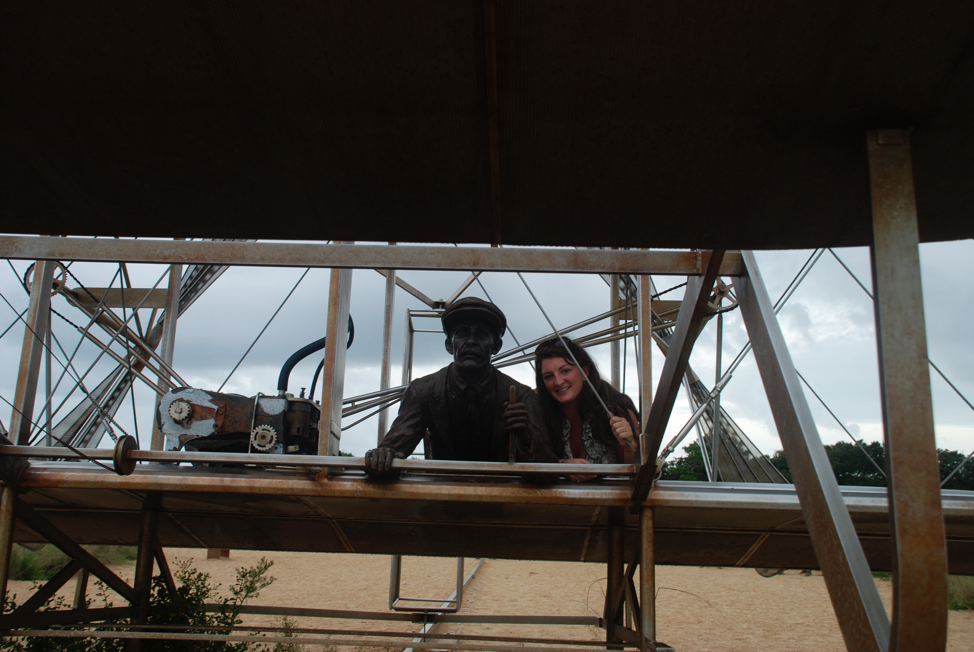
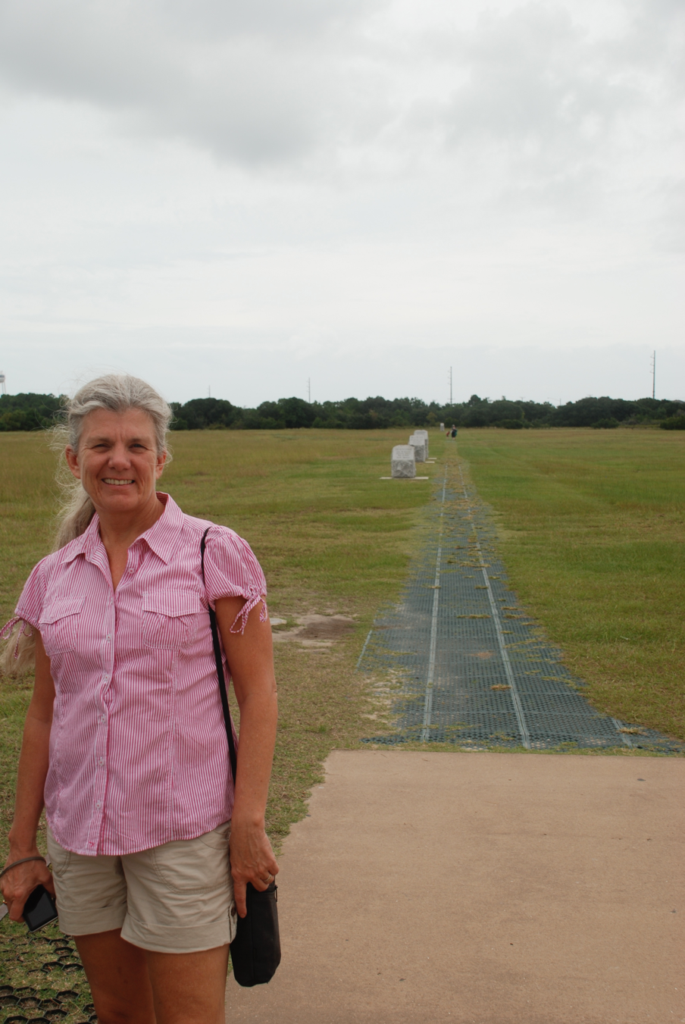
What is striking about this site is its scale. A towering granite monument crowns Big Kill Devil Hill, visible for miles across the flat coastal plain. The sandy fields stretch outward with stone markers tracing the exact distances of the Wrights’ four historic flights. This distance was short by modern standards. There are reconstructed wooden hangars recreating the brothers’ sparse living quarters and a full-scale replica of the Wright Flyer resting on its launch rail, inviting visitors to imagine that cold December morning when aviation began.
Why did the Wright brothers choose this location in North Carolina? – they needed wind.
Before engines were powerful enough to generate all the lift required for takeoff, the brothers depended heavily on strong headwinds. Coast North Carolina offered steady breezes and wide-open spaces. After writing to the U.S. Weather Bureau for advice, the Wright brothers were directed to this isolated stretch of barrier islands.
They first arrived in 1900 and returned year after year, launching gliders from dunes, refining their control systems and battling mosquitoes, storms, and solitude in pursuit of a dream that few believed possible.
This historic site became a national shrine only decades later. In 1927, Congress authorized the creation of a memorial here, with the legislation signed by Calvin Coolidge. The soaring granite monument atop the hill was completed and dedicated in 1932, transforming the lonely strip of dunes into the nation’s most significant aviation landmarks.
Visiting national parks in person matters because it’s one thing to read about history, but it is another to stand where it happened. The age of aviation began here, quietly in the dunes, and now preserved forever for us to remember.
Read More From Nancy
Cowpens National Battlefield
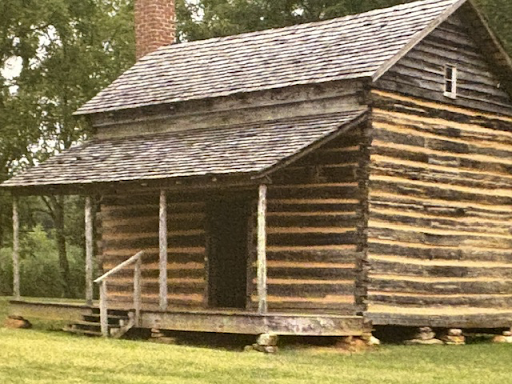
A visit to Cowpens National Battlefield is a chance to stand on the ground where an important American victory of the Revolutionary War took place. While the battlefield tells the story of military strategy, this reconstructed log cabin helps visitors understand the everyday lives of the people who called the Carolina backcountry home in the late eighteenth […]
Fort Sumter
In the harbor of Charleston stands a place where the course of American history changed in a single moment: Fort Sumter. Built after the War of 1812 as part of a coastal defense system, the fort was still unfinished when tenstions between North and South reached their breaking point. By early 1861, South Carolina had […]
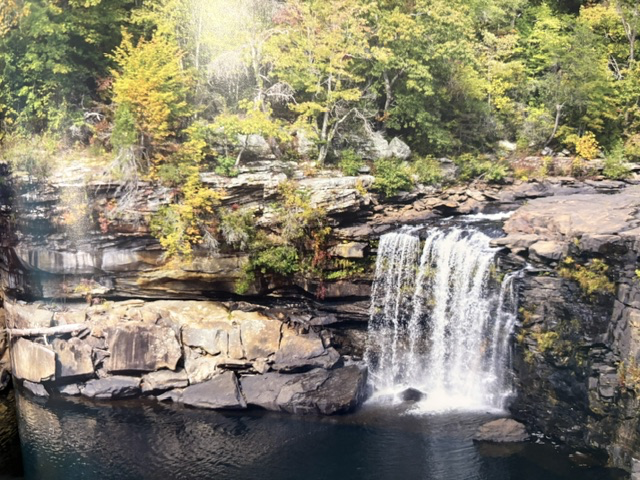
Little River Canyon National Preserve
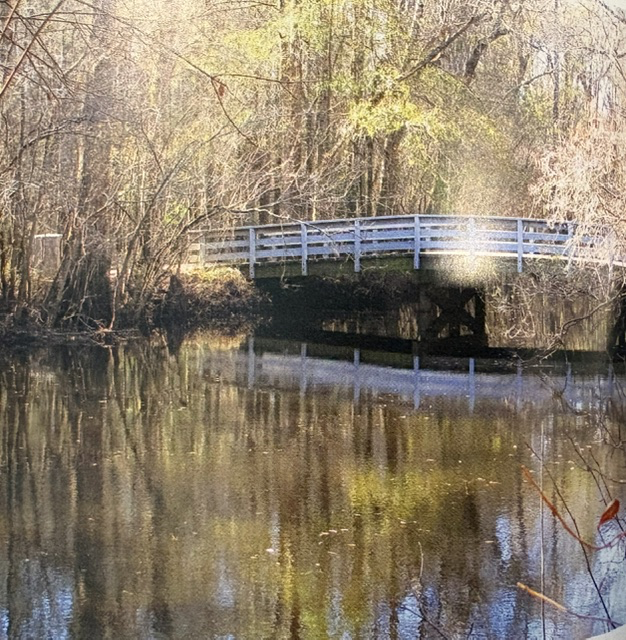
Little River flows for most of its length across the top of Lookout Mountain in northeastern Alabama. Rather than beginning in a valley, the river travels across the Appalachian Plateau before cutting deeply into layers of sandstone and forming the dramatic landscape of Little River Canyon. The canyon contains forested cliffs, rocky overlooks, pools, rapids […]

