Vicksburg National Military Park
The campaign for Vicksburg was one of the most decisive military operations of the Civil War. Perched high above a bend in the Mississippi River, Vicksburg controlled movement along the nation’s most important waterway. Its formidable defenses earned it the name “Gibraltar of the Confederacy”. As long as the city remained in Confederate hands, the South retained a vital connection between its eastern states and the lands west of the river.
Union General Ulysses S. Grant began the final phase of his campaign on March 29, 1863. After crossing the Mississippi south of Vicksburg, his army fought a series of battles through the Mississippi countryside before approaching the city from the east. Two direct assaults against its defenses failed, leading Grant to begin formal siege operations on May 18. For 47 days, Confederate soldiers and the civilians trapped inside Vicksburg endured constant artillery fire, dwindling supplies, disease, and hunger.
On July 4, 1863, Confederate General John C. Pemberton surrendered Vicksburg and approximately 29,000 troops to Grant. Combined with the surrender of Port Hudson, Louisiana, five days later, the victory gave the Union control of the Mississippi River and divided the Confederacy. It also brought freedom to many enslaved people in and around Vicksburg as Union occupation transformed the city.
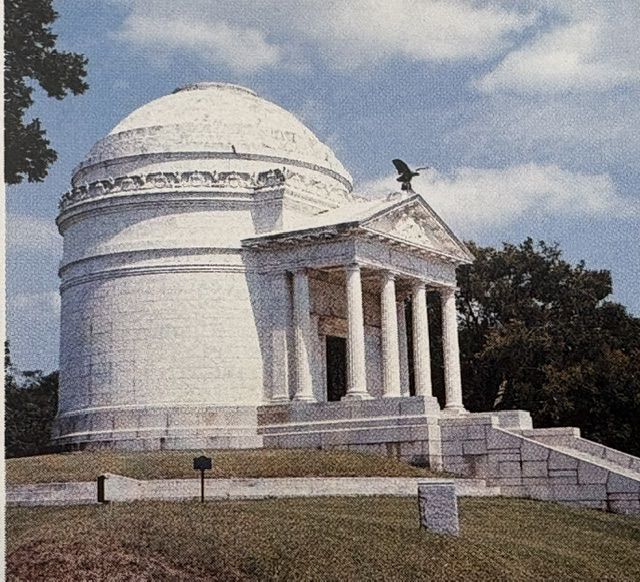
Vicksburg National Military Park was established on February 21, 1899, when President William McKinley, himself a Civil War veteran, signed the authorizing legislation. Veterans from both armies helped identify the positions where their units had fought. The battlefield was eventually marked with hundreds of monuments, tablets, and memorials. Among the most impressive is the Illinois State Memorial, dedicated in 1906 to the more than 36,000 Illinois soldiers who participated in the Vicksburg campaign. Its domed interior contains bronze tablets bearing the names of those soldiers.
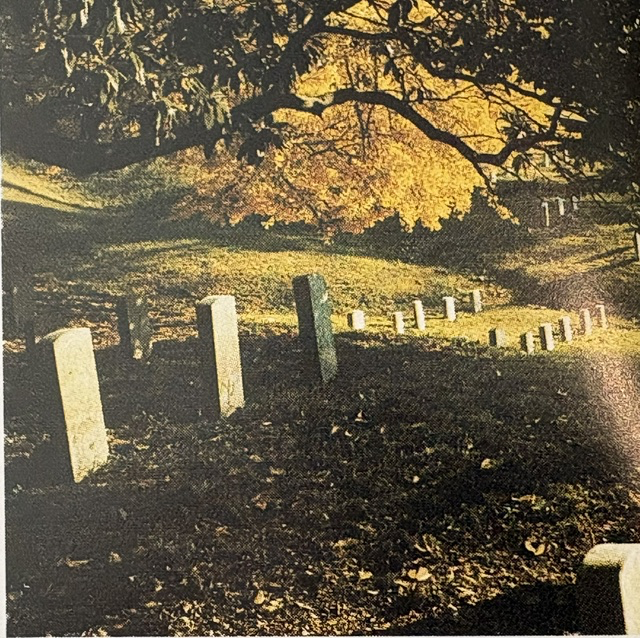
The park also contains Vicksburg National Cemetery, established in 1866 as a burial place for Union soldiers who died throughout the region. Its long rows of white markers represent thousands of men, many of whom were never identified. Confederate soldiers were generally buried elsewhere, including Vicksburg’s Cedar Hill Cemetery.
Our visit brought us through a landscape where wooded hills, quiet roads, monuments, cannon, and rows of graves now occupy ground once torn apart by siege warfare. The peaceful appearance of the battlefield stands in sharp contrast to the suffering endured here during those 47 days. Vicksburg preserves the story of a campaign that changed the course of the Civil War and permanently altered control of the Mississippi River.
Read More From Nancy

Buck Island Reef National Monument
Another birthday and family history vacation was spent on Saint Croix exploring Buck Island Reef National Monument. Like many of our family trips, the destination combined celebration, adventure and another opportunity to experience one of the unique places preserved within the National Park System. Buck Island is unlike many national parks we have visited over the years. This […]
Mammoth Cave National Park
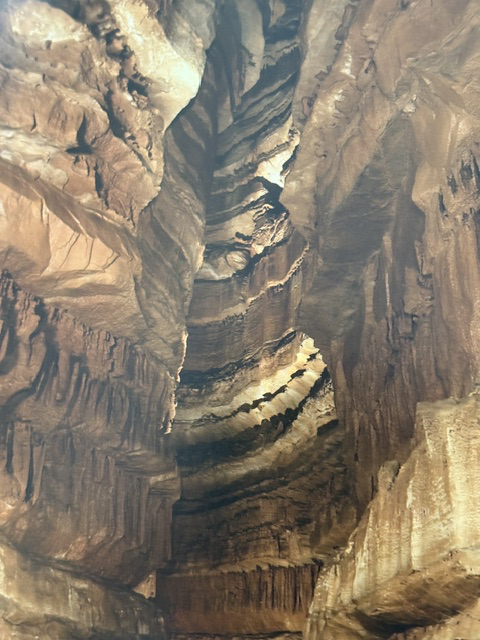
I have visited Mammoth Cave National Park only once, but it is a place that has stayed with me. Walking through the immense underground chambers provided an opportunity to appreciate the geological processes that have shaped this landscape over millions of years. Today, more than 400 miles of passageways have been surveyed, making Mammoth Cave […]
Kings Mountain National Military Park
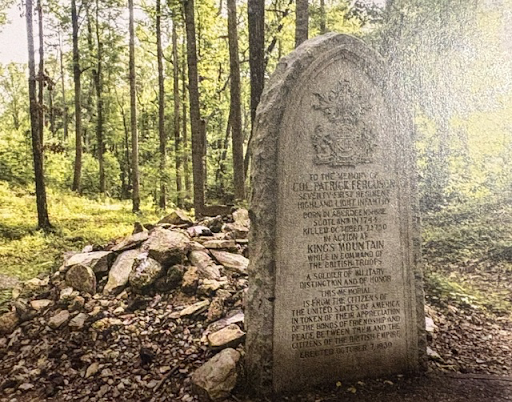
Kings Mountain National Military Park in Blacksburg, South Carolina, commemorates one of the most decisive Patriot victories of the American Revolution. Established as a National Military Park in 1931, it preserves the site where, on October 7, 1780, frontier militia defeated a force of Loyalists under British Major Patrick Ferguson. The Battle of Kings Mountain marked […]

