Stones River National Battlefield
While visiting Stones River National Battlefield in Murfreesboro, we came upon these long, grass-covered earthworks. At first glance they look almost like natural ridges, but they are surviving sections of Fortress Rosecrans, one of the largest earthen fortifications constructed during the Civil War.
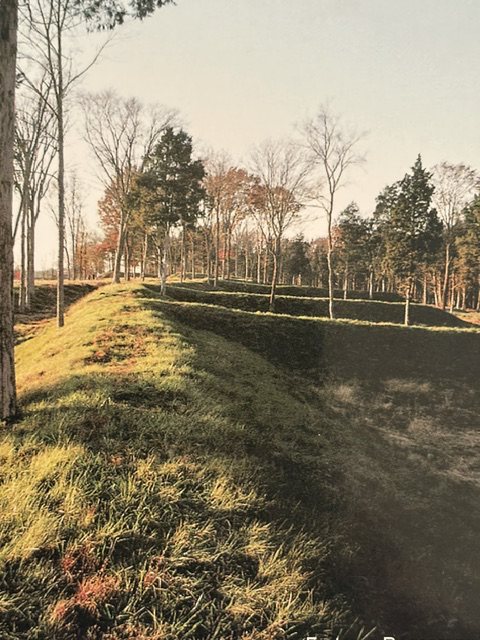
The fortress was built following the Battle of Stones River, fought from December 31, 1862, through January 2, 1863. The battle was extraordinarily costly, with nearly 24,000 casualties between the two armies. The Union victory gave President Abraham Lincoln an important boost at a critical moment, just as the Emancipation Proclamation was taking effect.
Beginning in February 1863, Union soldiers and thousands of formerly enslaved people constructed Fortress Rosecrans under the direction of Brigadier General James St. Clair Morton. Named for Union commander William S. Rosecrans, the enormous complex covered more than 200 acres and protected the Nashville & Chattanooga Railroad, bridges, warehouses, and the army’s supplies.
There is also an interesting human story connected to Stones River. On the night before the battle began, Union and Confederate military bands could hear one another across the fields. They took turns playing until one band began “Home Sweet Home.” According to a soldier who witnessed the moment, bands on both sides joined in playing the familiar song. The following morning, the men who had shared that music across the darkness would be fighting one another. The battlefield was originally established as Stones River National Military Park on March 3, 1927, and was redesignated Stones River National Battlefield in 1960

Read More From Nancy
Big South Fork National River and Recreation Area
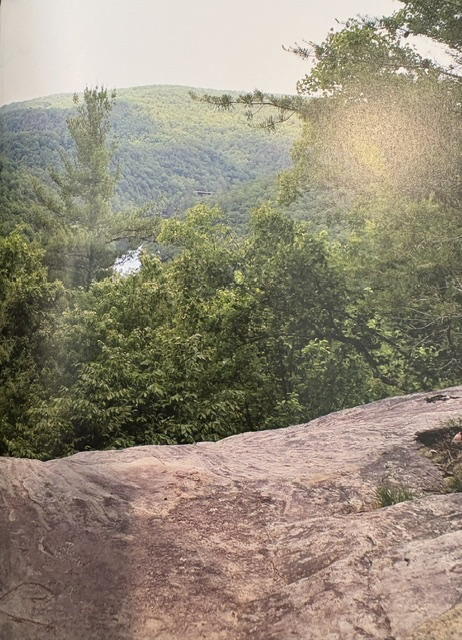
The free-flowing Big South Fork of the Cumberland River and its tributaries pass through approximately 90 miles of scenic gorges and valleys in southeastern Kentucky and northeastern Tennessee. The protected landscape encompasses about 125,000 acres of forested plateaus, sandstone cliffs, natural arches, rock shelters and river corridors. Water and erosion have shaped the region over […]
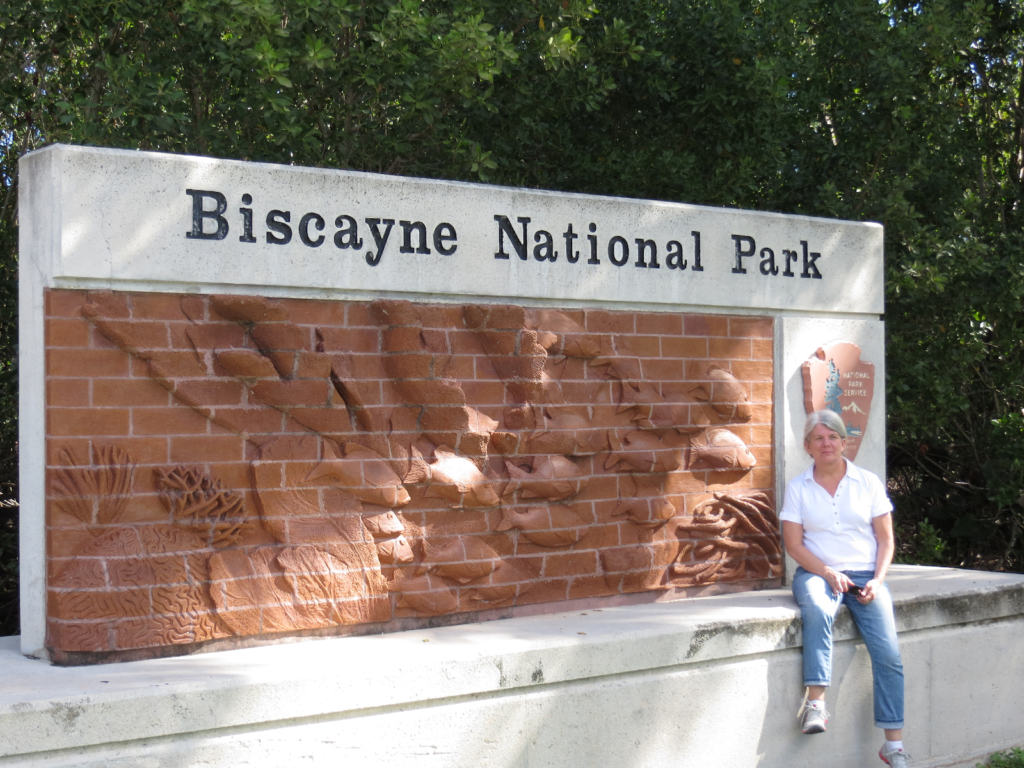
Biscayne National Park
Just south of Miami’s skyline lies a park that is nearly entirely water. Biscayne National Park was established in 1980 by President Jimmy Carter to protect one of the most fragile ecosystems in the country: mangrove shorelines, seagrass beds, coral reefs and the northernmost keys of the Florida Reef Tract. Nearly 95% of the park is […]
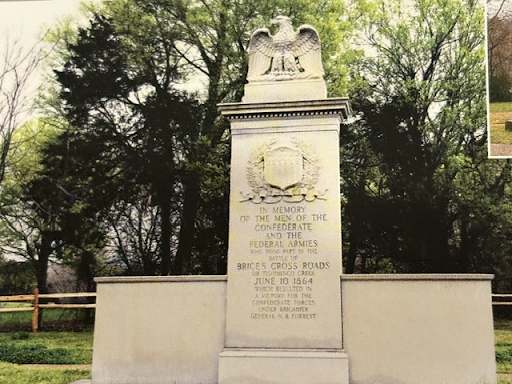
Brices Cross Roads National Battlefield
Brices Cross Roads National Battlefield Site in Baldwyn, Mississippi, preserves the location of one of the most remarkable Confederate victories of the Civil War. Established as a National Battlefield Site in 1929, this small one-acre park commemorates a battle whose outcome had consequences far beyond the crossroads where it was fought. On June 10, 1864, […]

