E. F. Hodgson Portable Houses
In 1892, Ernest F. Hodgson began manufacturing portable poultry brooders in Dover. Marketed under names such as “Peep o’ Days” and “Wigwarms,” the small structures were designed to be produced efficiently, transported easily and assembled where they were needed.
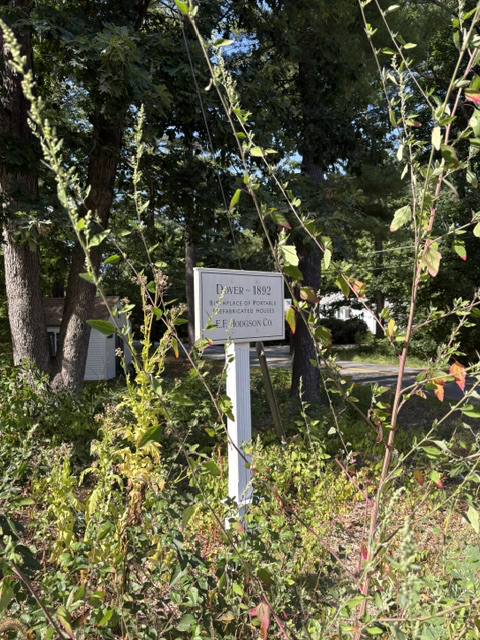
The success of the brooders encouraged Hodgson to expand into other prefabricated products. The company manufactured doghouses, children’s playhouses, workshops, garages and agricultural buildings before adding summer cottages and complete houses to its catalogs by the early twentieth century.
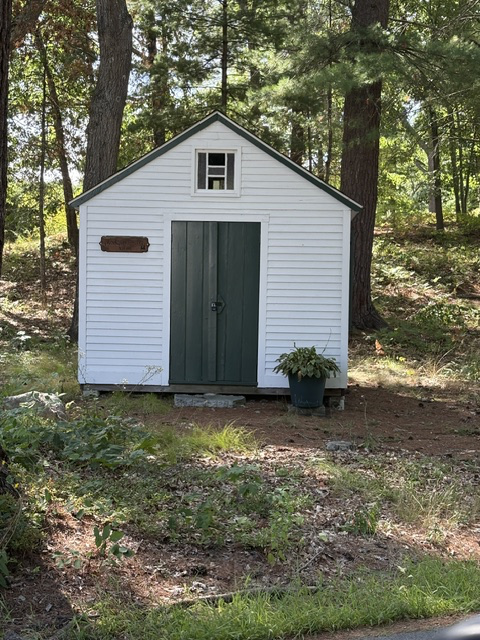
Hodgson buildings differed from many later kit houses. Rather than shipping bundles of individually cut lumber, the company manufactured complete wall and roof sections at its Dover factory. These standardized panels, usually six to ten feet wide, were transported to the building site and fastened together with vertical timbers and bolts. Customers could order simple seasonal cottages or double-walled houses intended for year-round use.
The company expanded from its original Farm Street location to a factory near Dover’s railroad, where finished building sections could be loaded and shipped. From 1905 through 1944, Hodgson houses, camps and other portable structures were sent throughout the United States and to customers in Canada, Europe and the Middle East.
The E. F. Hodgson Company made rural Dover an early center of prefabricated construction. Its buildings anticipated later methods of producing standardized housing components in a factory and assembling them quickly at their final destination.
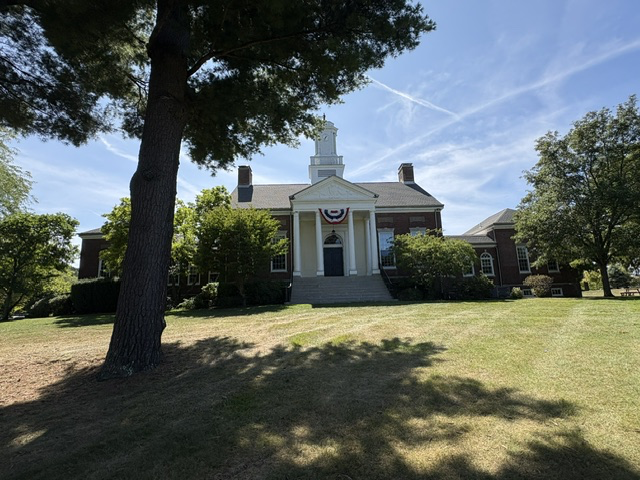
Read More From Nancy
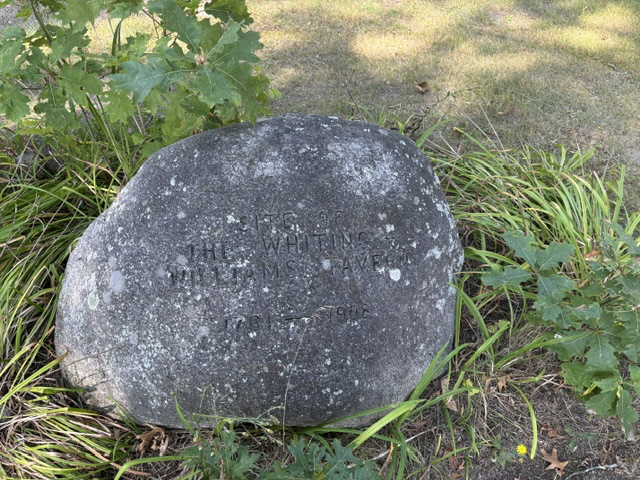
The Old Training Field
Dover’s Old Training Field was established in 1755, when the community was still known as the Springfield Parish of Dedham. Like other New England communities, the parish maintained a local militia whose members gathered regularly to practice marching, handling weapons and responding to an alarm. Training days served both military and civic purposes. Militia members […]
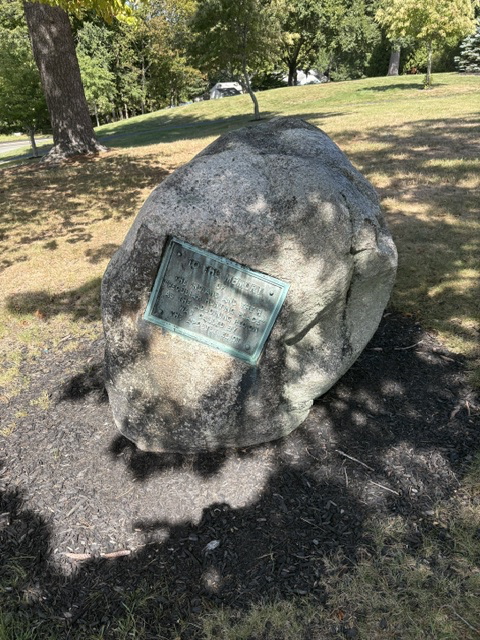
A “Peculiar Hunting Place”
Long before Dover became a town, Indigenous people traveled, hunted and fished throughout the hills, forests and waterways of the region. The Charles River and its tributaries provided fish, while the surrounding woodlands supported deer, bear, fox and other animals. Springs, meadows and elevated hills made the area well suited for seasonal movement and hunting. […]
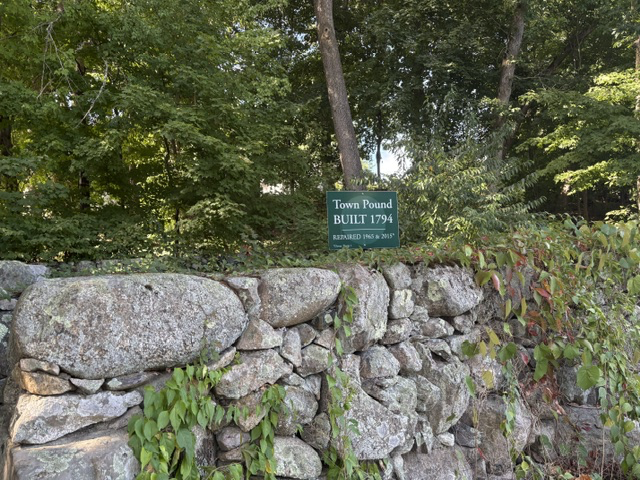
Town Pound
Dover’s Town Pound was built in 1794, when farming shaped nearly every part of community life. Families depended upon cattle, pigs, sheep and other animals for food, labor and income. Before the pound was constructed, cattle and swine were generally permitted to roam, creating problems when they wandered onto neighboring farms or damaged fields and […]

