Messages From the Past
A Window Into Everyday Life on the American Home Front,
These correspondences preserved from World War II, offer a rare, unfiltered look into what it meant to live through World War II as an American civilian. These letters, written by my parents and grandmother, caught in an extraordinary moment in time, capture the realities of a nation mobilized for war: rationing, restricted travel, overcrowded railways, financial strain, and the emotional weight carried by families waiting for news from their loved ones.
In these pages we see how mothers worried about their sons, wives longed to be with their husbands, and how soldiers coped with situations that pushed them to their limits. We also glimpse the infrastructure of wartime America, hospital trains transporting the wounded, shifting railroad schedules as troop movement took priority, and the everyday acceptance of sacrifice as a civic duty.
Beyond the headlines, these letters tell the story of how war shaped daily existence: the uncertainty of when loved ones would return, the struggle to balance hope with hardship, and the quiet resilience found in kitchens, train stations, and small towns across the country. Together, they illuminate a world in which ordinary Americans live with constant shortages, ever-changing rules, and the unspoken expectation to endure.
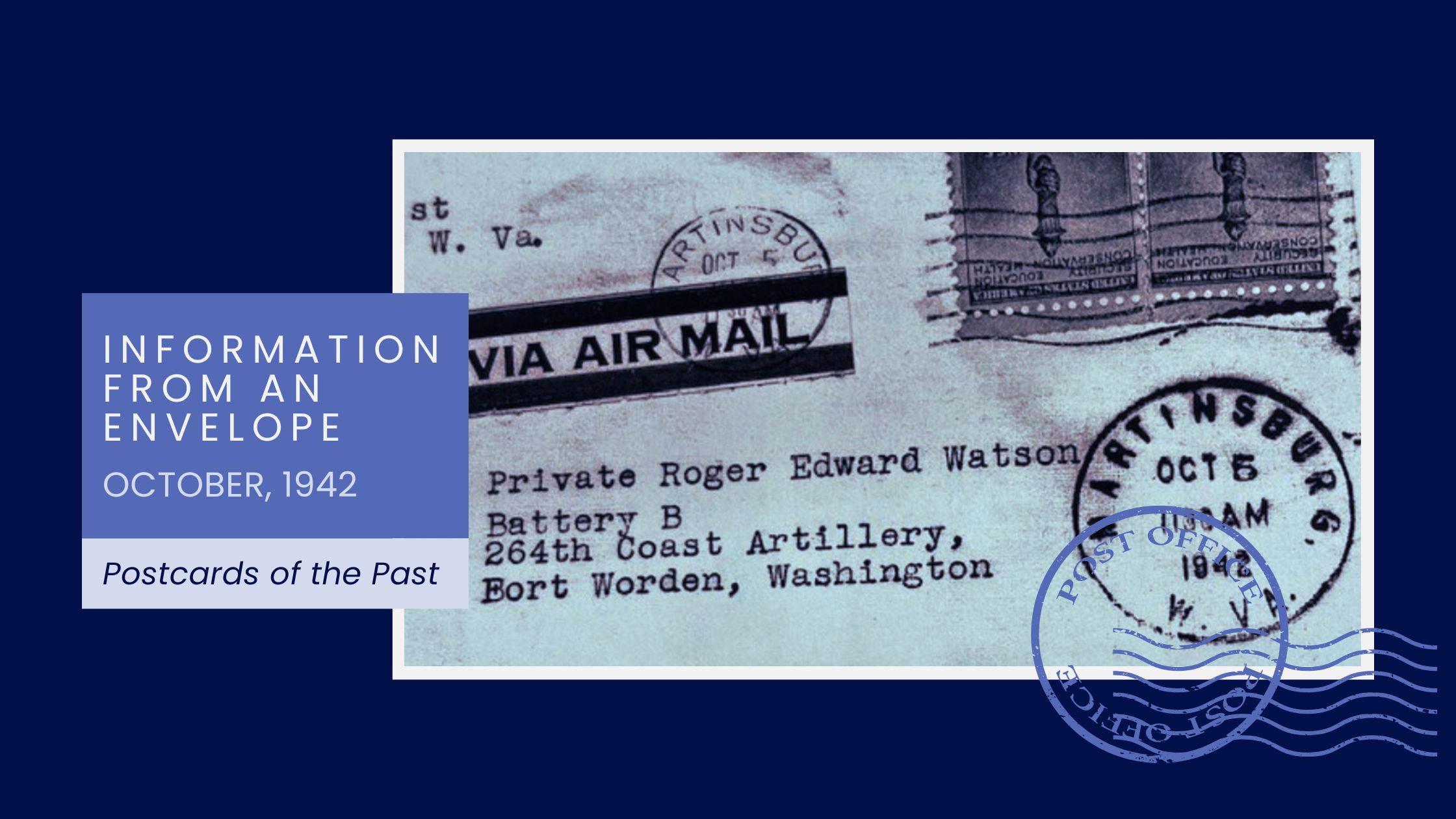
Recent Letters
A Family Reunion in the Pacific
Among the newspaper clippings my parents saved is this remarkable story titled “Uncle and Nephew Meet in Pacific.“ During World War II, millions of Americans were serving around the globe, making it almost unimaginable that two relatives from the same hometown would unexpectedly find one another thousands of miles from home. The article tells the story of […]
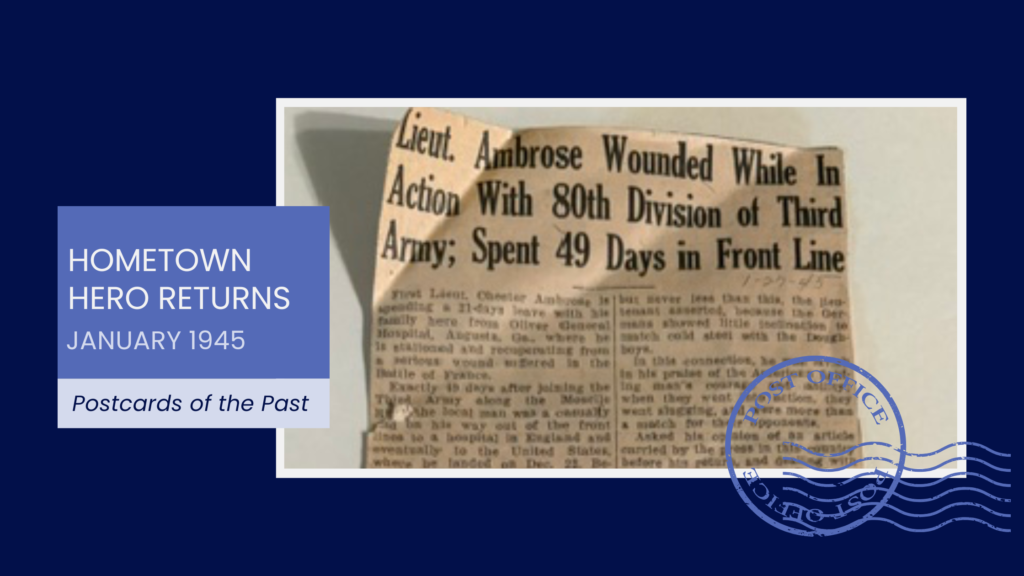
Hometown Hero Returns
Among the newspaper clippings my parents saved was this story of Lieutenant Chester Ambrose of Martinsburg, West Virginia. Unlike so many wartime headlines that announced another life lost, this article tells of a young officer who survived some of the fiercest fighting of the Second World War and was able to return home. Lieutenant Ambrose […]
A Life Interrupted
Among the newspaper clippings my parents saved was the story of Lieutenant R. M. Mullen, a young New Hampshire officer who was killed in North Africa during the Second World War. Reading articles like this reminds me that every casualty reported in the newspaper represented far more than a military statistic. Behind each name was […]
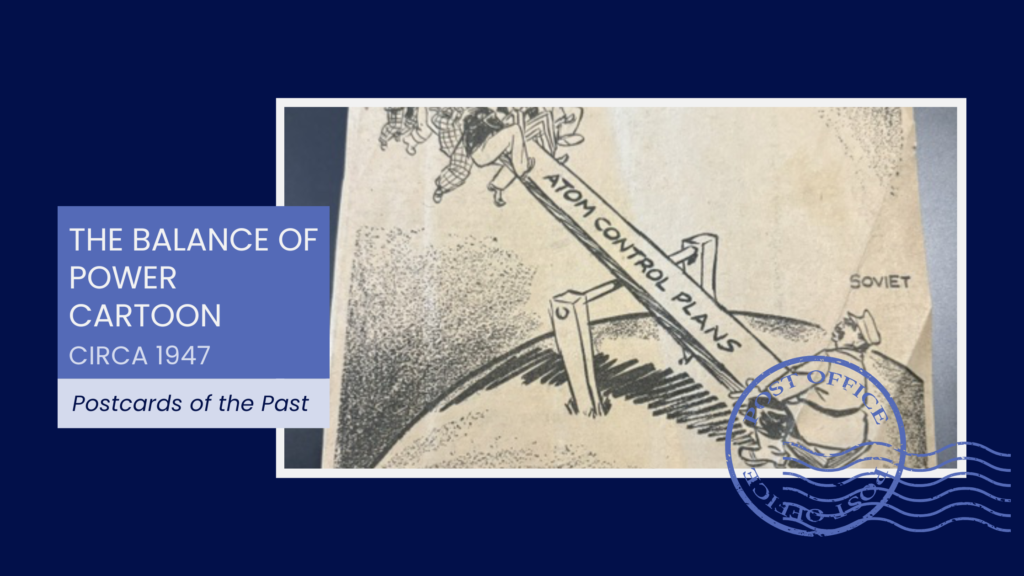
The Balance of Power Cartoon
Among my parents’ papers was this political cartoon titled The Balance of Power. Because my father was an aspiring cartoonist who enjoyed studying the work of newspaper illustrators, I was not surprised to find a political cartoon among their keepsakes. What I do not know is whether he saved it because he admired the cartoonist, because […]
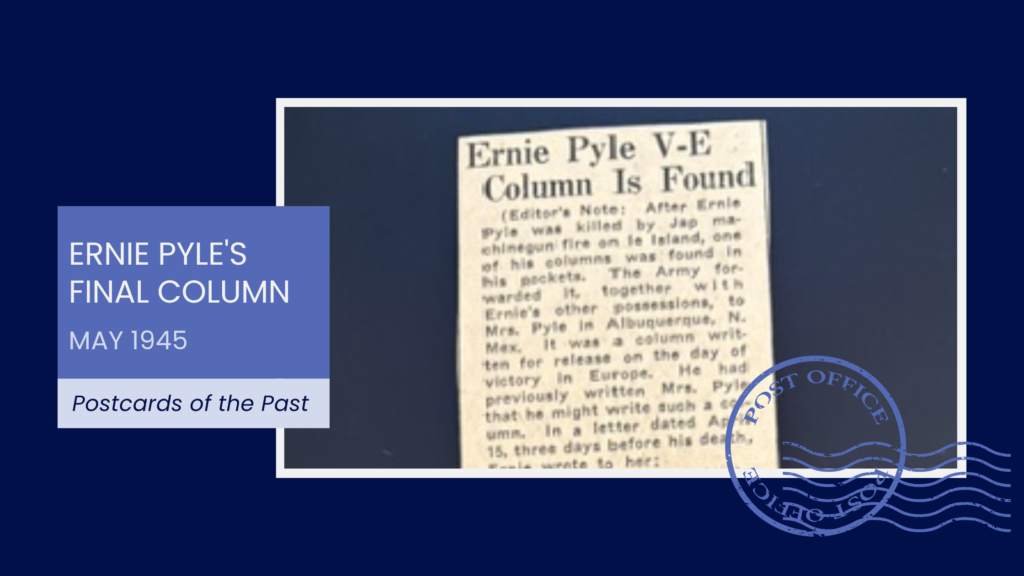
Ernie Pyle’s Final Column
Among my parents’ papers was this newspaper clipping titled “Ernie Pyle V-E Column Is Found,“ with the handwritten date of May 11, 1945. I do not know why they chose to save it, but its preservation suggests that it held some significance for them during the closing days of World War II. The article reports the publication […]
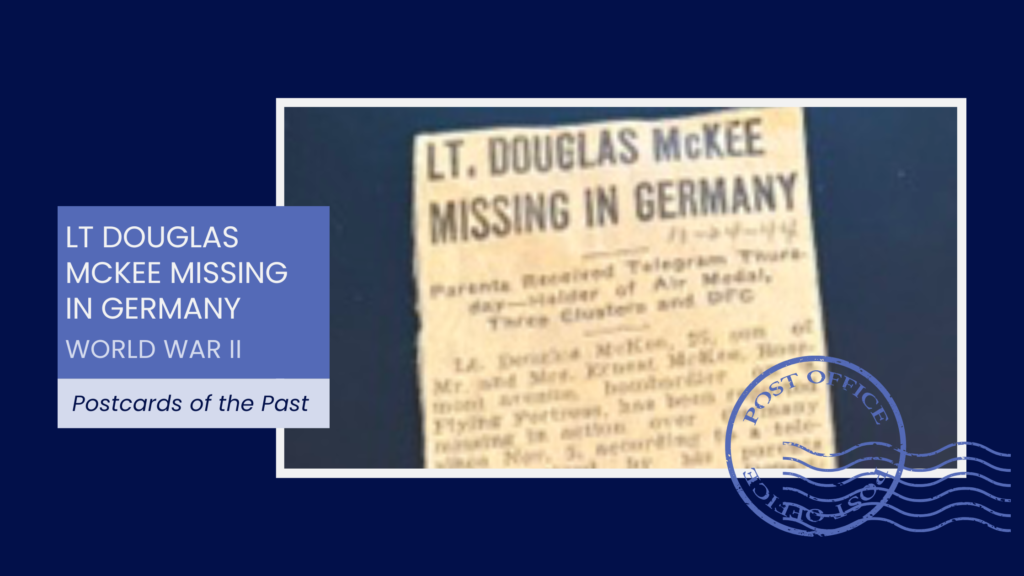
Lt. Douglas McKee Missing in Germany
Among the wartime newspaper clippings preserved by my parents is this article about Lt. Douglas McKee of Martinsburg, West Virginia. The reason this one would have been saved is because Martinsburg was my father’s hometown, and throughout their lives my parents kept newspaper articles that helped preserve the stories of communities that shaped their families. The article reports […]

Transportation Request for my Father
Among the military papers preserved by my family is a wartime transportation request issued to my father, Roger E. Watson, in June 1944. At first glance, it appears to be a little more than a train ticket, but documents such as this played an essential role in the movement of millions of servicemen across the United States […]

In Belgium with the 142nd Infantry
Among my mother’s collection of wartime newspaper clippings was this photograph of Lieutenant Charles Ernest Bowers, a World War II officer serving with the 142nd Infantry Regiment in Belgium. The clipping reports that he had already spent seventeen months overseas, serving in the Aleutian Islands before his assignments in England, France and Belgium. He had been […]
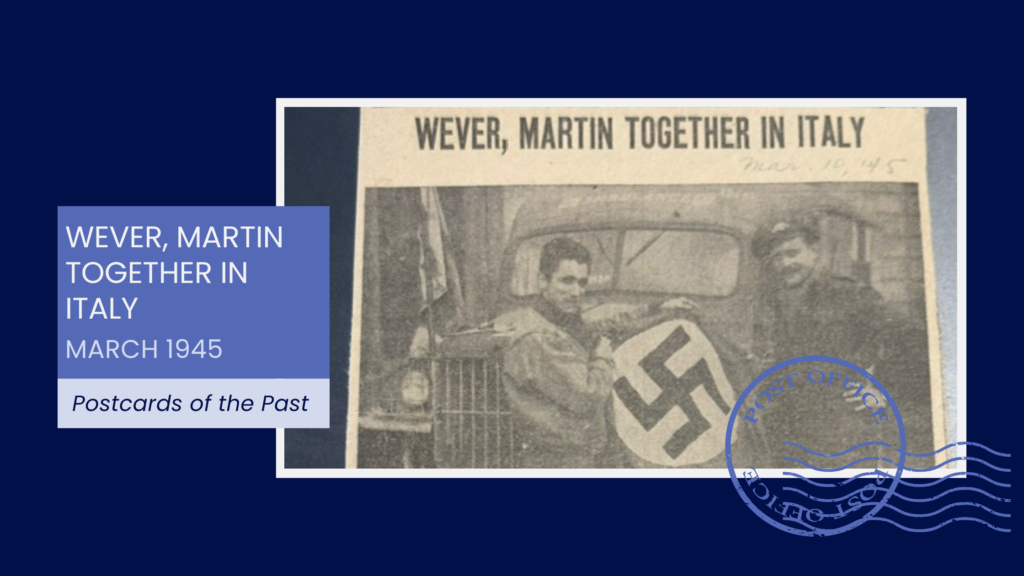
Wever, Martin Together in Italy
Among the newspaper clippings preserved through the years is a remarkable wartime photograph dated March 10, 1945. This hometown news item tells a larger story about World War II, the bonds of community and the unexpected encounters that occurred thousands of miles from home. These two young men are from Martinsburg, West Virginia, standing together in Italy […]
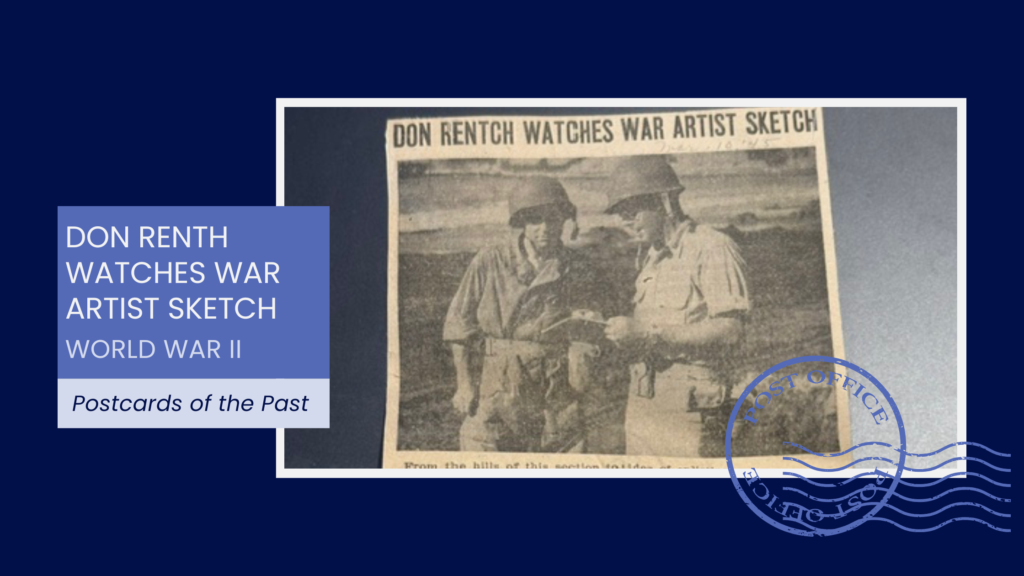
Don Renth Watches War Artist Sketch
Among the wartime newspaper clippings preserved by my family was this story about Don Rentch of Martinsburg, West Virginia. Unlike many of the articles that focused on soldiers in combat, this clipping tells the story of a young man whose talents as a writer and newspaperman found a unique place in the war effort. Before entering military service, Rentch attended Martinsburg […]

Obtains New Rating Now in Pacific
Among the newspaper clippings saved by my parents is this small wartime article about Navy serviceman Donald R. Edmonds. I have not discovered a connection between the Edmonds and my own, yet for some reason, this clipping was preserved through the years. The article, published during the final months of World War II, reports that Edmonds had […]
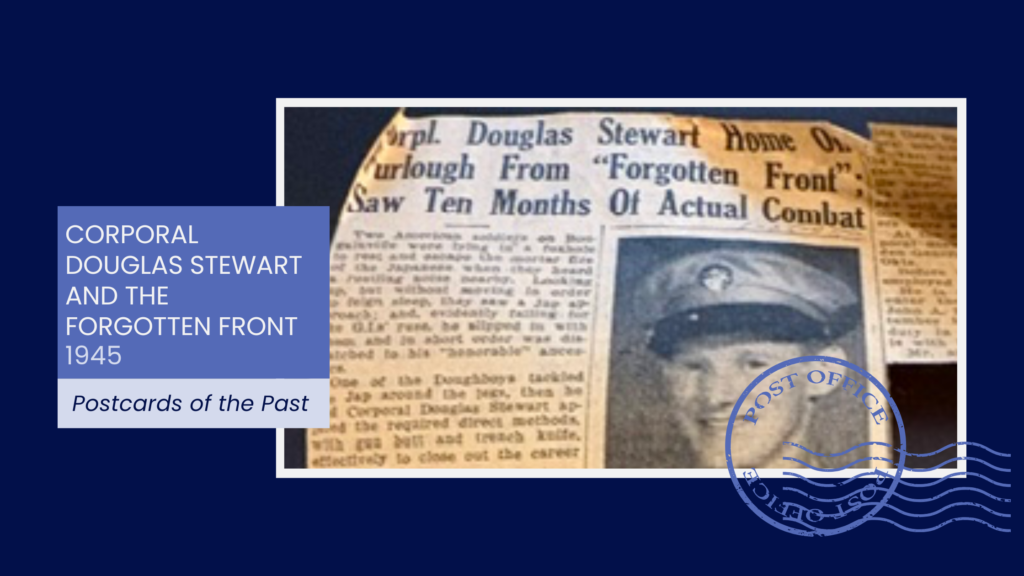
Corporal Douglas Stewart and the Forgotten Front
Among the wartime newspaper clippings preserved by my parents is this article about Corporal Douglas Steward, a serviceman from the Martinsburg area who returned home on furlough after serving on what the newspaper calls the “Forgotten Front” of World War II. The article recounts Stewart’s experiences in the Pacific Theater, where he spent months in active combat in […]

