Schofield Barracks
December 1941Dearest Reader,
Schofield Barracks sits in the center of Oahu, inland from the coast. Established in 1908 and named for Lt. Gen John M Schofield, the post was deliberately placed away from the shoreline to function as a permanent U.S. Army installation. It was designed for training, housing and command and not for naval operations.
By 1941, Schofield Barracks had grown into the largest Army base in Hawaii and the headquarters of the Hawaiian Department of the U.S. Army. It housed tens of thousands of soldiers, maintained vast parade grounds and training areas. Schofield was like the Army’s backbone in the Pacific.
When Japan attacked Pearl Harbor on December 7, 1941, the focus was on the Pacific Fleet and nearby airfields, including Hickam Field. Schofield Barracks was not a primary target. In the hours and days that followed, Schofield transformed from a training post into a center of rapid mobilization.
Dr. Nancy Watson
Washington
Read More From Nancy
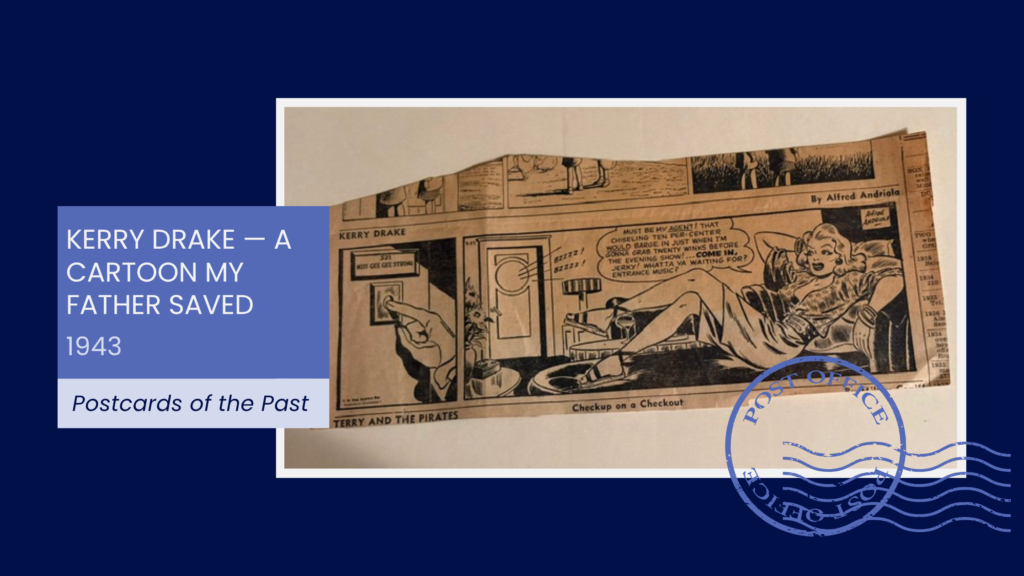
Kerry Drake — A Cartoon My Father Saved
Among my father’s papers is this small newspaper clipping from the comic strip Kerry Drake. There is no date, no newspaper name and nothing written on it to explain why he chose to cut it out and keep it. All that remains is this fragment of a story. Kerry Drake was a popular American detective […]
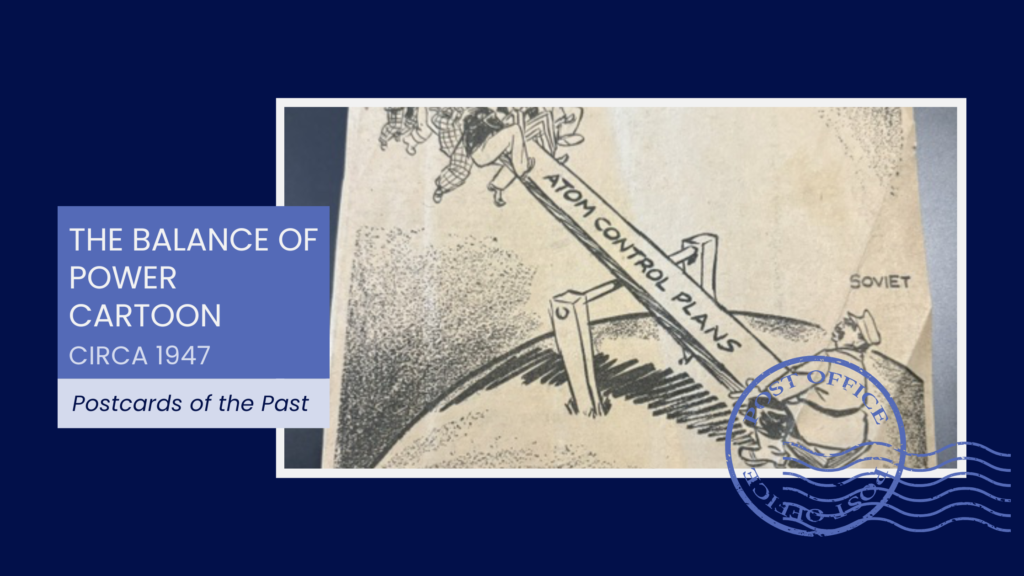
The Balance of Power Cartoon
Among my parents’ papers was this political cartoon titled The Balance of Power. Because my father was an aspiring cartoonist who enjoyed studying the work of newspaper illustrators, I was not surprised to find a political cartoon among their keepsakes. What I do not know is whether he saved it because he admired the cartoonist, because […]
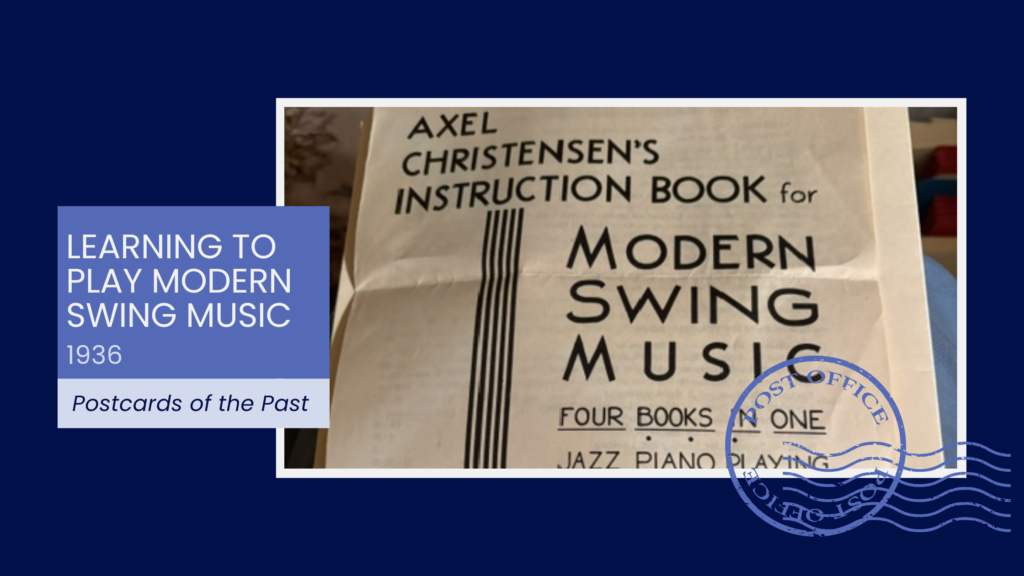
Learning to Play Modern Swing Music
Among my parents’ papers I found this $2 copy of Axel Christensen’s Instruction Book for Modern Swing Music. I don’t know whether it belonged to my mother or my father, or whether one of them actually learned to play from it. But the book tells us something about the music that surrounded their generation. Axel […]

