Six Days After Pearl Harbor
December 1941Dearest Reader,
In another passage of her December 13, 1941 letter, my grandmother reveals how personally the attack on Pearl Harbor was being felt, even far from Hawaii. The war was no longer an abstract headline, it had names, faces and families attached to it. She wrote:
“Vincent McDowell was at Schofield Barracks in Honolulu. Mrs McDowell is ill in bed and under Dr Martin care. Sr Ignatia is taking food over to her and trying to keep her courage up. I don’t believe he was killed, because those barracks are quite some distance from Pearl Harbor and Hickman Field where most of the damage was done.”
Her words show both fear and an instinctive effort to reason through it. With information still fragmented and rumors widespread, she turns to geography and logic as a form of reassurance, distinguishing between Schofield Barracks and the primary targets at Pearl Harbor and Hickam Field.
This paragraph captures a powerful truth of those first days after December 7, before official reports, before casually lists, families lived in an emotional in-between. Concern traveled by word of mouth and sustained by small acts of kindnesses
Dr. Nancy Watson
Washington
Read More From Nancy
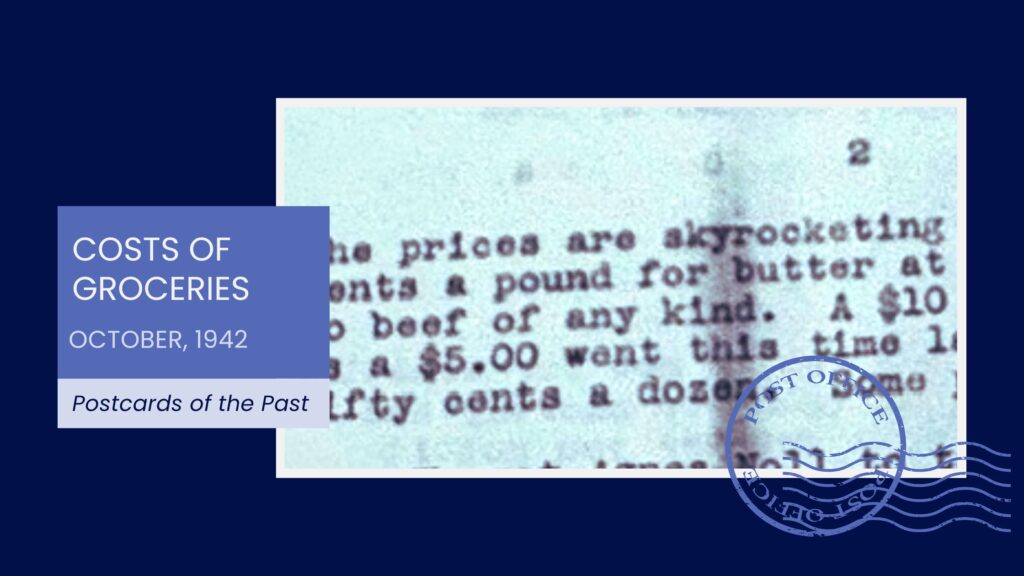
Costs of Groceries
In October 1942, as my father was stationed in Washington State, my grandmother wrote to him describing how profoundly life on the home front had changed. Her letter reflects a nation fully mobilized for war, where shortage, rationing and rising prices had become part of everyday reality. What she shared was not abstract, but lived […]

Killed in Action
This is one of those pieces of history that doesn’t come from a monument or museum, but from something saved and carried forward without explanation. I found this newspaper clipping among my parent’s papers. It’s narrow and worn, but once I stopped to read it, it holds my attention; At the top are the words: “Killed in […]
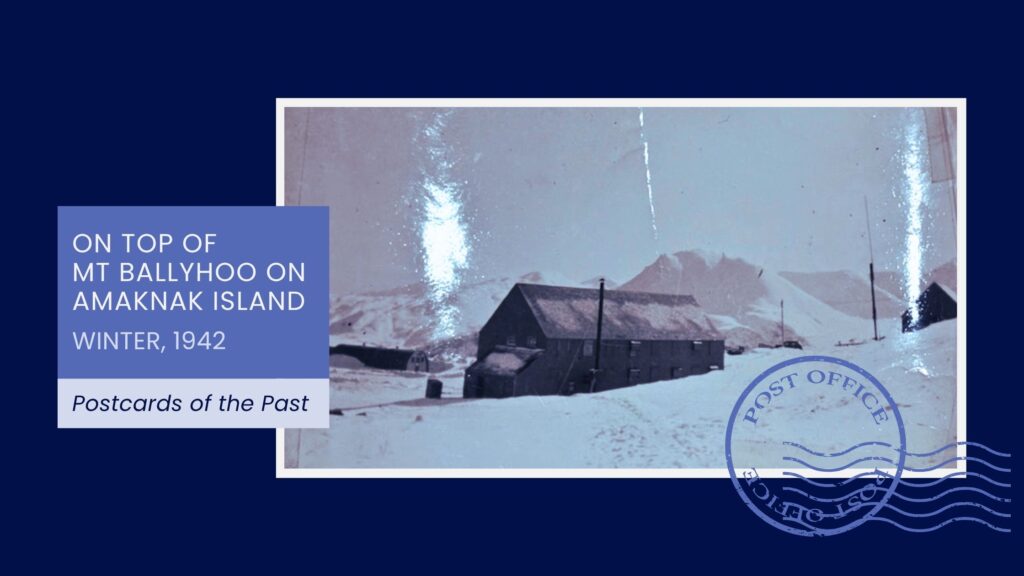
On top of Mt Ballyhoo on Amaknak Island
This photo tells more of my father’s story in the Aleutians. On the back of the photo, my father wrote: “ON TOP OF MT. BALLYHOO (BARRACKS HOUSING HQ BTRY 264TH CA) ON AMAKNAK ISLAND OVERLOOKING DUTCH HARBOR IN ALEUTIAN ISLANDS WINTER OF ’43” This placed my father on Mount Ballyhoo, the steep volcanic rise that […]

