Chepachet, RI
Located in the rural northwestern corner of Rhode Island, Chepachet is a historic village within the town of Glocester that developed as an important center of trade, transportation, and manufacturing. Its location along the Chepachet River provided waterpower for a series of early mills, while the roads passing through the village connected Providence with communities in Connecticut and Massachusetts. By the early nineteenth century, Chepachet had become a busy stopping place for stagecoaches and a commercial center for the surrounding farming region. Its stores, taverns, churches, workshops, and mills served residents who came to exchange agricultural products for manufactured and imported goods.
Chepachet later became the setting for one of the most important political confrontations in Rhode Island history. During the Dorr Rebellion of 1842, Thomas Wilson Dorr and his supporters gathered at nearby Acote’s Hill in their effort to replace Rhode Island’s colonial charter and expand voting rights beyond property-owning men. Although the armed resistance quickly ended, the movement helped bring about a new state constitution with broader suffrage. Chepachet’s historic center still contains buildings associated with this period, along with churches, stores, taverns, and homes representing more than a century of village development. In 1971, it became the first entire village in Rhode Island placed on the National Register of Historic Places. Today, its preserved Main Street, small businesses, rural surroundings, and continuing traditions make Chepachet one of Rhode Island’s most distinctive historic communities.
Recent Posts
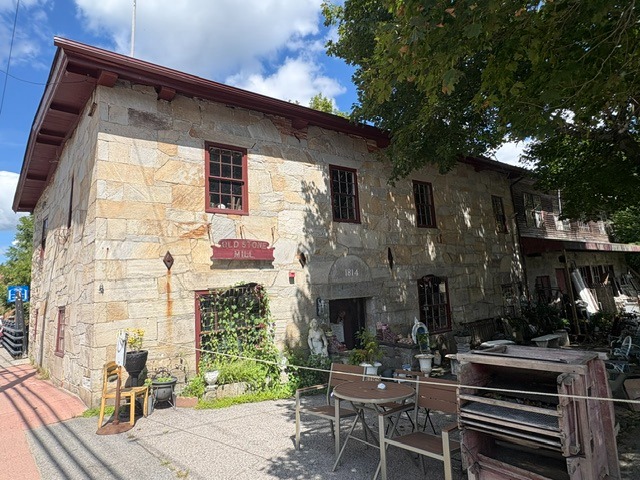
The Old Stone Mill
Beside the Chepachet River, the Old Stone Mill preserves a substantial remnant of the village’s early textile industry. Also known as the Lawton Owen Mill, the building bears the date 1814 above its entrance. Its stone walls stand close to both the river and Putnam Pike, placing it within the landscape of waterpower, transportation and […]
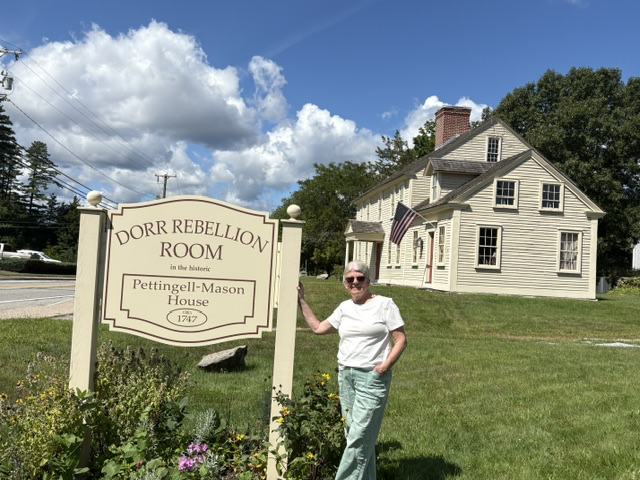
The Pettingill-Mason House and the Dorr Rebellion Room
Traditionally dated to 1747, the Pettingill-Mason House is a substantial colonial home standing at the foot of Acote’s Hill. Constructed with a heavy post-and-beam frame, the house was organized around a large central chimney with four fireplaces. Its hand-hewn timbers, wide-plank floors, narrow stairways, and stone foundation preserve the character of an eighteenth-century Rhode Island […]
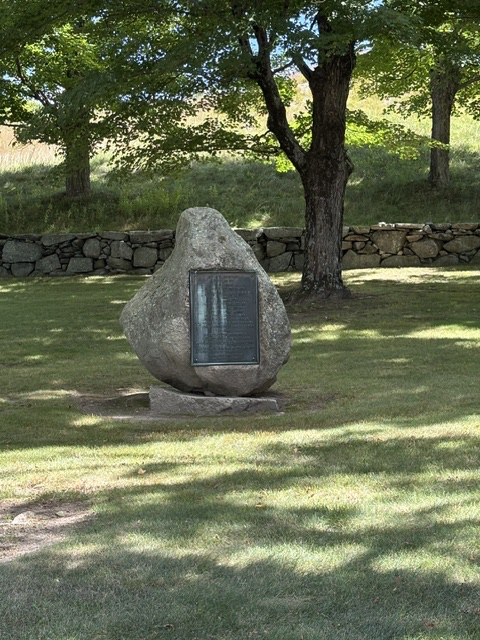
The Dorr Rebellion Memorial
This boulder monument stands in Acote’s Hill Cemetery, near the ground where the Dorr Rebellion reached its final confrontation in June 1842. Although it is located in a cemetery, it is not Thomas Wilson Dorr’s grave. Dorr died in 1854 and was buried at Swan Point Cemetery in Providence. This memorial marks the place where […]
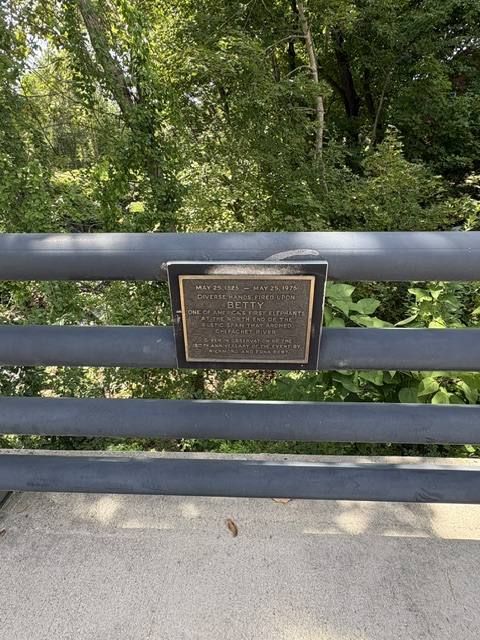
Betty the Learned Elephant
A small bronze plaque attached to the bridge over the Chepachet River preserves one of the saddest and most unusual stories in the history of Chepachet. Its old-fashioned inscription states that “divers hands fired upon Betty,” meaning that several people were responsible for shooting an elephant that had come to the village as part of […]
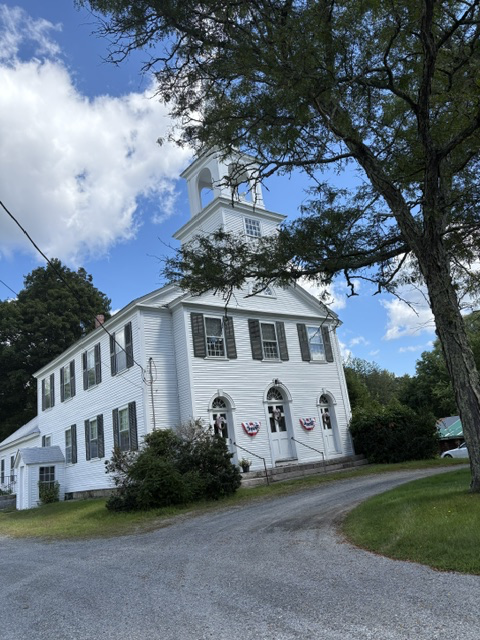
The Chepachet Meeting House
The Chepachet Meeting House has stood along Putnam Pike for more than two centuries. Constructed in 1821, it was built before the Chepachet Baptist Church itself was formally organized. A group of 36 residents known as the Proprietors of the Chepachet Meeting House initially pledged $1,135.50 toward the creation of “an house for the publick […]
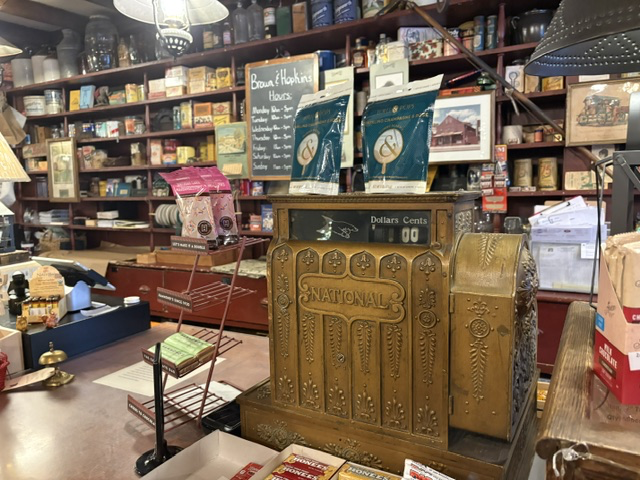
The Penny Candy Counter at Brown & Hopkins
Inside Brown & Hopkins Country Store, the penny candy counter preserves one of the most familiar traditions of the old American general store. Glass jars, wooden shelves, vintage containers, advertisements, and small pieces of merchandise fill the space behind the counter. Rather than presenting history in a formal museum display, the store allows visitors to […]
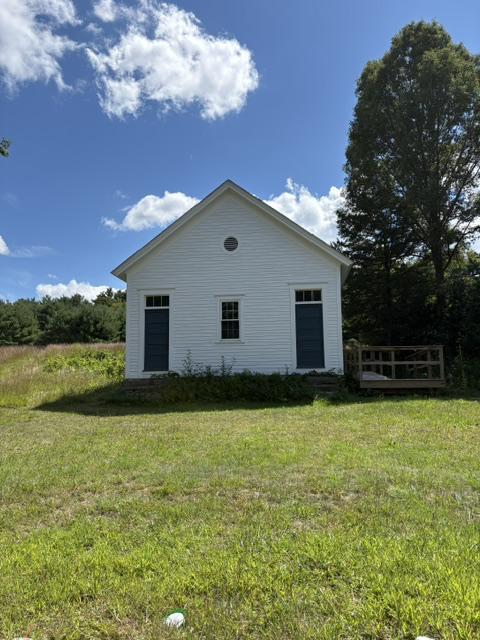
The Evans One-Room Schoolhouse
This modest white building is the Evans Schoolhouse, a surviving example of the small district schools that once served the rural families of Glocester. Built around 1867 by local resident Daniel Evans, it originally stood on Evans Road in East Glocester and served as the school for District No. 2. During the nineteenth century, rural […]
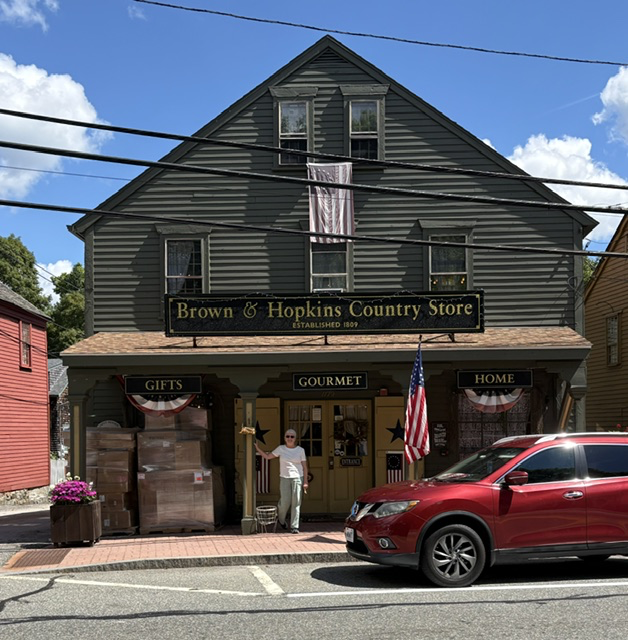
Brown & Hopkins Country Store
Standing along Putnam Pike in the center of Chepachet, Brown & Hopkins Country Store is recognized as the oldest continuously operating country store in the United States. The building was constructed in 1799 by Timothy Wilmarth as a residence and hattery, where hats were made and sold. In 1809, Ira Evans purchased the property and […]

