with Dr. Nancy Watson
Back to All Hometowns

Rhode Island

Rhode Island was founded by Roger Williams in 1636 as a place where people could practice their religion without government interference. The colony received a royal charter in 1663, became the first to declare its independence from Great Britain in 1776, and was the last of the original thirteen states to ratify the United States Constitution in 1790. Its history has been shaped by religious freedom, maritime trade, agriculture, the transatlantic slave trade, textile manufacturing, immigration, and the growth of its coastal communities and mill villages.

Our travels through Rhode Island have taken us into historic cities, coastal towns, rural villages, museums, preserved homes, former centers of industry, and the grand Newport estates that reflect the wealth and social life of the Gilded Age. My Hometown Stories explore the communities and people that connect Rhode Island to the development of religious liberty, the growth of maritime commerce, the beginnings of American industrialization, the excesses and inequalities of the Gilded Age, and the everyday lives of those who helped shape the Ocean State.
Rhode Island

Hometowns

Chepachet, RI

Chepachet, RI

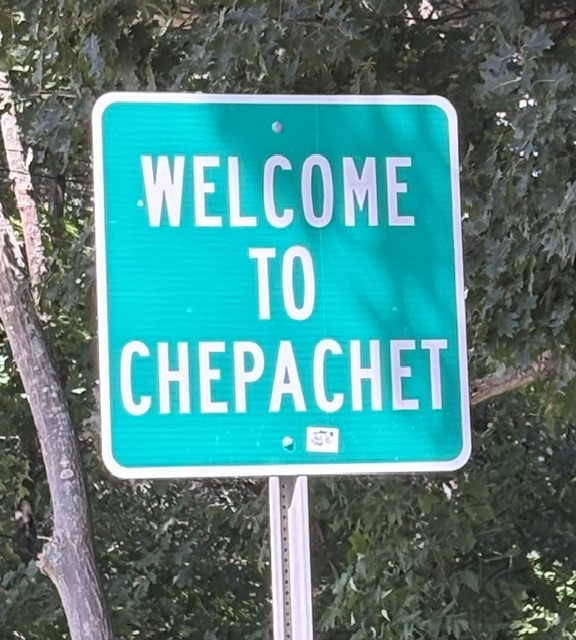
Located in the rural northwestern corner of Rhode Island, Chepachet is a historic village within the town of Glocester that developed as an important center of trade, transportation, and manufacturing. Its location along the Chepachet River provided waterpower for a series of early mills, while the roads passing through the village connected Providence with communities in Connecticut and Massachusetts. By the early nineteenth century, Chepachet had become a busy stopping place for stagecoaches and a commercial center for the surrounding farming region. Its stores, taverns, churches, workshops, and mills served residents who came to exchange agricultural products for manufactured and imported goods. Chepachet later became the setting for one of the most important political confrontations in Rhode Island history. During the Dorr Rebellion of 1842, Thomas Wilson Dorr and his supporters gathered at nearby Acote’s Hill in their effort to replace Rhode Island’s colonial charter and expand voting rights beyond property-owning men. Although the armed resistance quickly ended, the movement helped bring about a new state constitution with broader suffrage. Chepachet’s historic center still contains buildings associated with this period, along with churches, stores, taverns, and homes representing more than a century of village development. In 1971, it became the first entire village in Rhode Island placed on the National Register of Historic Places. Today, its preserved Main Street, small businesses, rural surroundings, and continuing traditions make Chepachet one of Rhode Island’s most distinctive historic communities.

View Articles for Chepachet, RI

