Harvard, MA
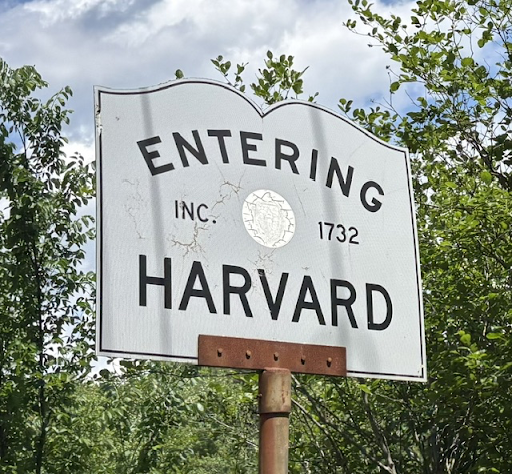
Harvard was incorporated in 1732 from portions of Lancaster, Groton, Stow, and Boxborough, developing as a rural farming community in the rolling hills of north-central Massachusetts. Unlike many New England towns that became centers of manufacturing, Harvard retained its agricultural character, with orchards, dairy farms, and open fields shaping both its landscape and way of life. The town later became especially well known for its apple orchards, earning a reputation as one of the region's premier apple-growing communities.
Today, Harvard reflects these layers of history with its colonial heritage, agricultural traditions, and commitment to preserving open space. Historic homes, town commons, orchards, and conservation lands continue to tell the story of a community that has carefully balanced growth with the preservation of its rural New England character.
Recent Posts
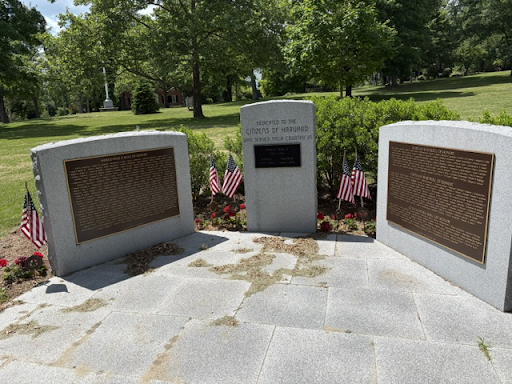
Veterans Memorial
At first glance, Harvard’s Veterans Memorial appears to be a tribute to those who served in America’s modern wars. Looking more closely, I realized it tells a much more personal story. At the center stands the original memorial honoring the citizens of Harvard who served during World War II, the Korean War, and the Vietnam […]
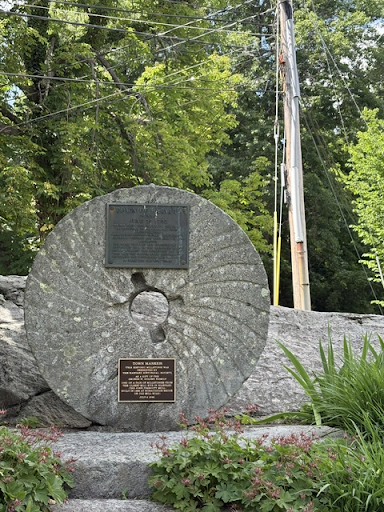
Town Marker
Not every monument tells its story with a statue. Sometimes an ordinary object from everyday life says even more about the people who built a community. Standing on Harvard’s town common is a large granite millstone that once turned inside John Prescott’s grist mill, one of the earliest mills in town. Built in 1668 on […]
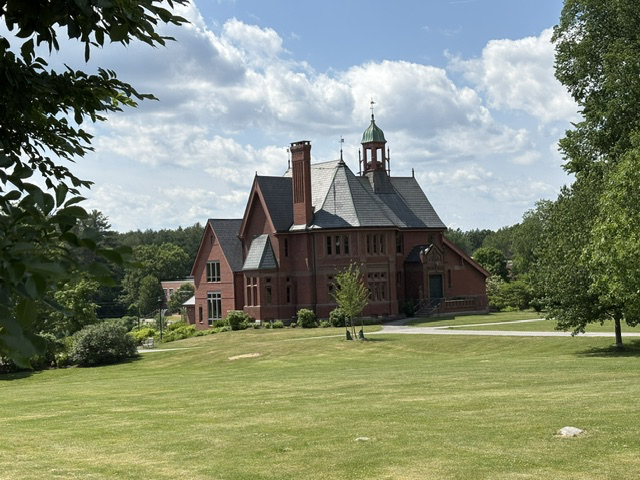
Old Bromfield School
As we walked through Harvard, Massachusetts, this impressive red brick building drew my attention. Its steep slate roof, distinctive cupola, and richly detailed brickwork suggested that it had been built for something important. It was. Completed in 1878, the Old Bromfield School was made possible through the generosity of Margaret Bromfield Pearson Blanchard. At the time, […]
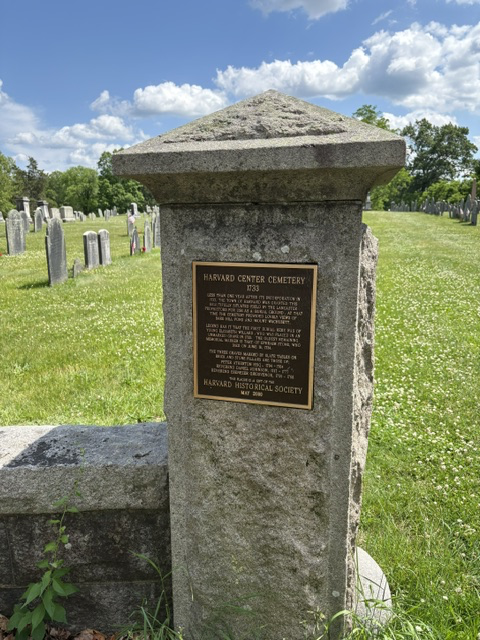
Harvard Center Cemetery
One of the best places to understand a town is the cemetery. More than a collection of gravestones, it is a record of the people who built the community and the lives they lived. Harvard Center Cemetery was established in 1733, just one year after the town was incorporated. Since then, generations of Harvard families […]
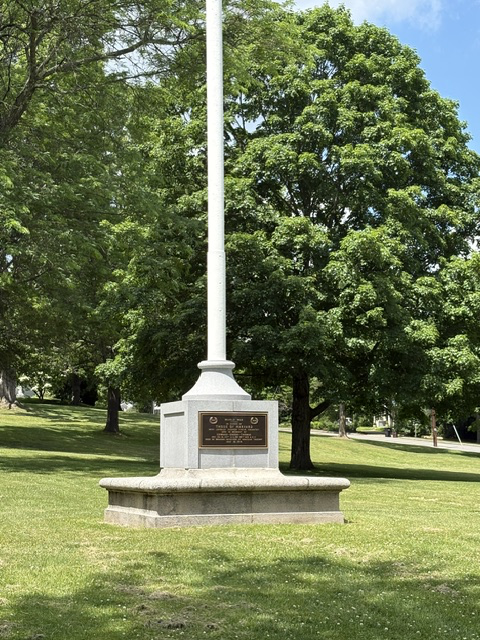
World War I Memorial
As I walked across Harvard Common, I realized that the town chose not to remember all of its military history through a single monument. Instead, each generation has been given its own place of remembrance. This memorial honors the citizens of Harvard who served during World War I, often called the Great War. Following the […]
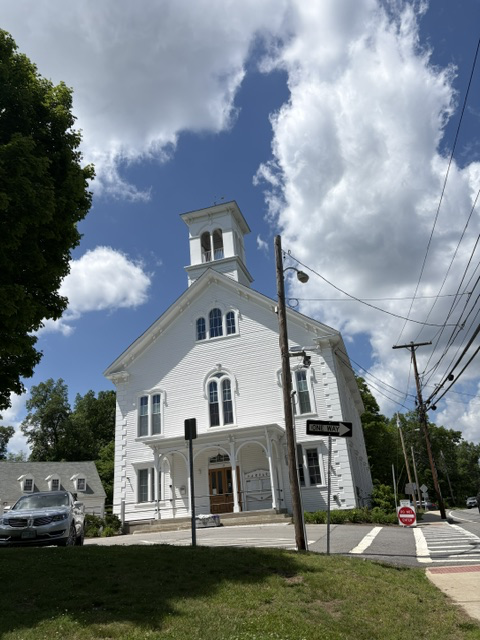
Unitarian Universalist Church
As I walked around Harvard Common, I was struck by how many times the town has chosen to rebuild rather than replace the places that matter most. The Harvard Unitarian Universalist Church is one of those places. The congregation traces its beginnings to 1733, just one year after Harvard was incorporated as a town. That […]
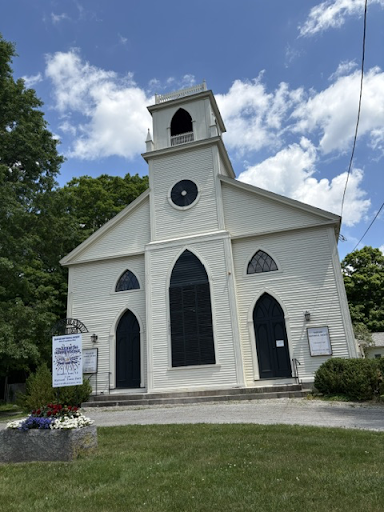
Still River Baptist Church
One of the things I appreciate about traveling through New England is discovering historic buildings that have continued to serve their communities in new ways. The Still River Baptist Church was built in 1832 to serve a congregation whose roots date to 1776. Organized just days before the signing of the Declaration of Independence, the […]
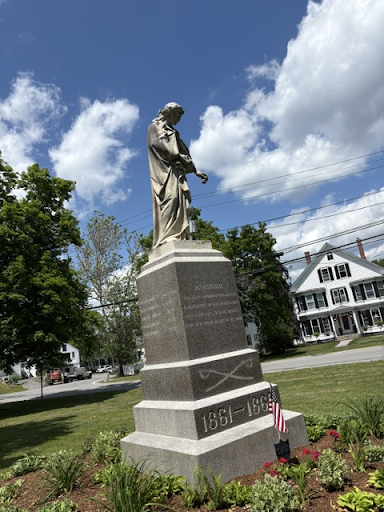
Civil War Monument
Almost every New England town has a Civil War monument, but each one tells the story of its own community. Unlike many Civil War memorials across New England, Harvard’s monument does not feature a soldier standing proudly at attention. Instead, the town chose something far less common: a graceful female figure standing in quiet reflection. […]
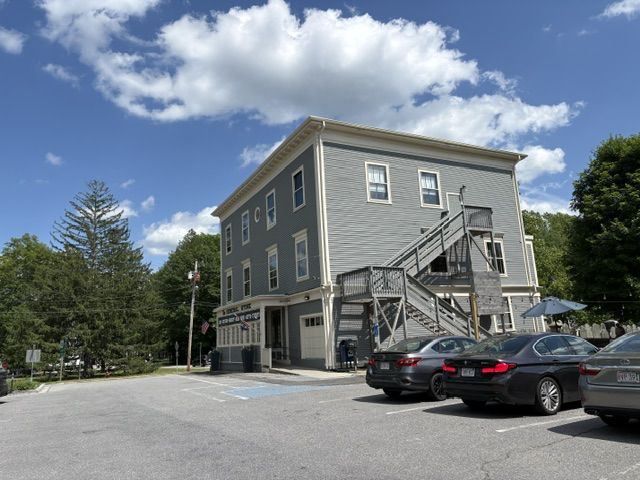
General Store
When Marty and I head out on a day trip to explore small New England towns, we look for a local place to have lunch. It gives us a chance to slow down, enjoy the community, and experience a place the way its residents do. While visiting Harvard, we found ourselves at the Harvard General […]
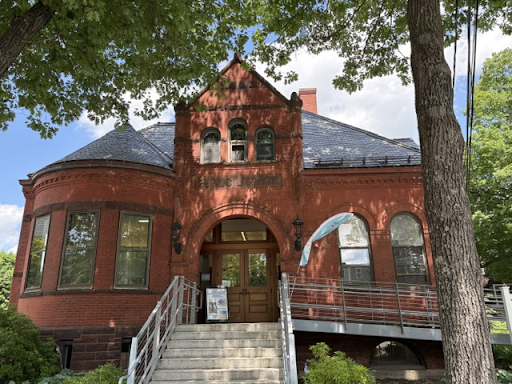
Old Library
Some buildings never really stop serving their community. Their purpose may change, but their importance remains. Harvard’s Old Library was built in 1886 through a series of generous gifts from residents who believed their growing town deserved a permanent public library. Designed by Harvard native William Channing Whitney in the Romanesque Revival style, the building […]
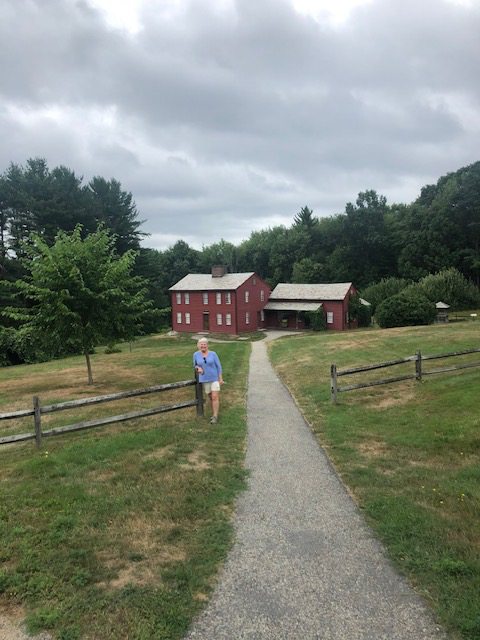
Fruitlands Farmhouse
The farmhouse at Fruitlands is a house that we visited often. When my daughters were volunteering at the Orchard House in Concord, the farmhouse at Fruitlands helped fill in another part of the story of the Alcott Family. It was here that Bronson Alcot attempted to create and intentional community based on transcendentalist ideals. In […]

