Old Bromfield School
As we walked through Harvard, Massachusetts, this impressive red brick building drew my attention. Its steep slate roof, distinctive cupola, and richly detailed brickwork suggested that it had been built for something important. It was.
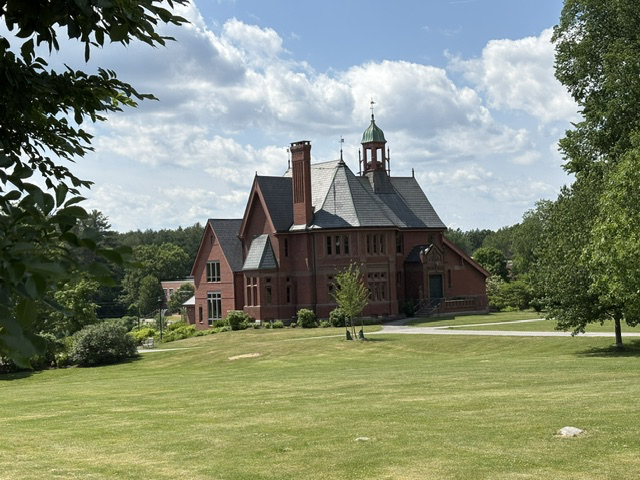
Completed in 1878, the Old Bromfield School was made possible through the generosity of Margaret Bromfield Pearson Blanchard. At the time, Harvard had no secondary school, and students seeking an education beyond the elementary grades were forced to travel to neighboring towns. Margaret believed the young people of Harvard deserved the opportunity to continue their education at home, and she was equally committed to providing that opportunity to young women as well as young men. Her vision was progressive for its day and reflected her belief that education should benefit the entire community.
Margaret’s gift was also deeply personal. She was the granddaughter of Colonel Henry Bromfield, one of Harvard’s most prominent early citizens. After the Bromfield family mansion burned in 1855, she purchased the property with the intention that it would someday become the site of a school. In her will, she left the land and a generous financial bequest to establish what became the Bromfield School, creating a lasting tribute to both her grandfather and the town she loved. Margaret viewed her inherited wealth not as a personal fortune but as a responsibility to be used for the common good.
Designed by the distinguished Boston architectural firm Peabody & Stearns in the Romanesque Revival style, the school opened in September 1878 with just forty students. For more than a century, generations of Harvard children climbed these steps to attend classes, making the building one of the town’s most recognizable landmarks.
In 2007, the building began a new chapter when it became the Harvard Public Library. The restoration carefully preserved many of the historic architectural features while adding a thoughtfully designed modern addition. Today, visitors come through these doors not for school lessons, but to read, study, attend community programs, and enjoy one of Harvard’s most beautiful public buildings.
What I found especially interesting is that Harvard’s two historic library buildings exchanged roles. The original public library on the common eventually became a community arts center, while this former school became the town’s new library. Rather than abandoning either building, the community found new purposes for both. It is a wonderful example of historic preservation—not simply saving beautiful architecture but allowing these buildings to continue serving the people of Harvard in ways their original benefactors would likely have appreciated.
More than 145 years later, the building is still fulfilling her desire to enrich the intellectual life of the community, even though it now does so as a library rather than a school.
Read More From Nancy
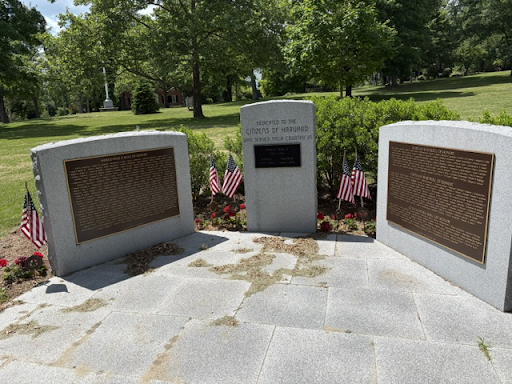
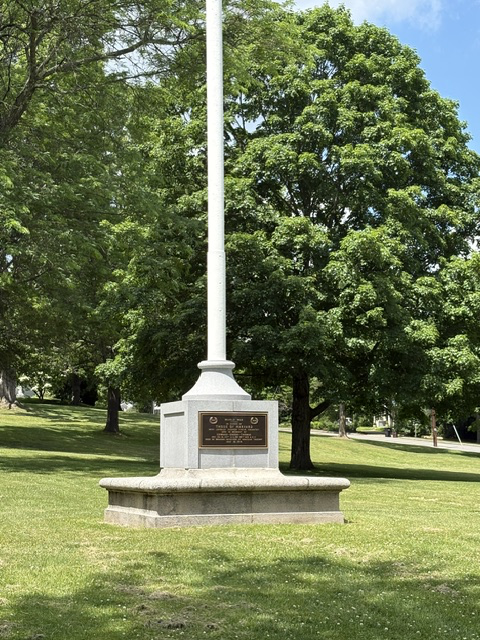
Veterans Memorial
At first glance, Harvard’s Veterans Memorial appears to be a tribute to those who served in America’s modern wars. Looking more closely, I realized it tells a much more personal story. At the center stands the original memorial honoring the citizens of Harvard who served during World War II, the Korean War, and the Vietnam […]
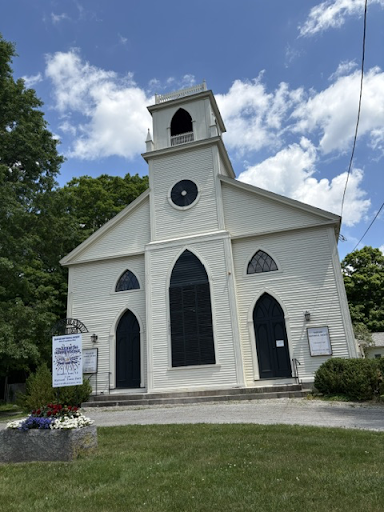
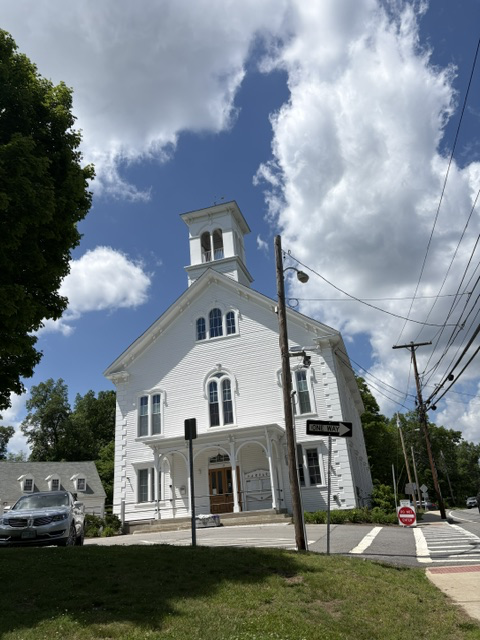
Still River Baptist Church
One of the things I appreciate about traveling through New England is discovering historic buildings that have continued to serve their communities in new ways. The Still River Baptist Church was built in 1832 to serve a congregation whose roots date to 1776. Organized just days before the signing of the Declaration of Independence, the […]
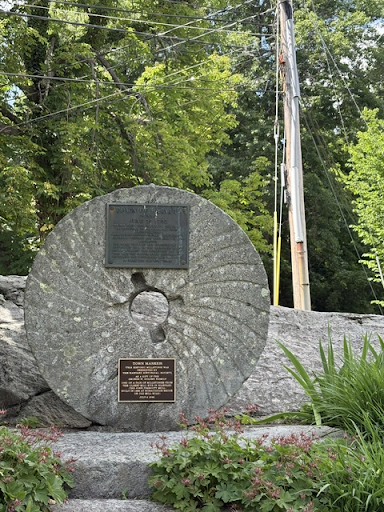
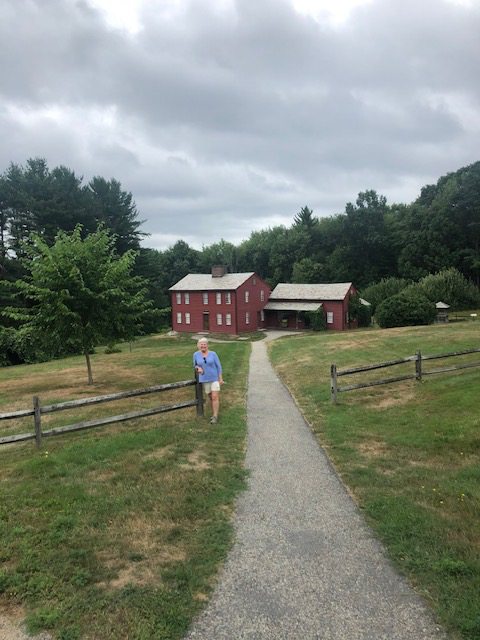
Town Marker
Not every monument tells its story with a statue. Sometimes an ordinary object from everyday life says even more about the people who built a community. Standing on Harvard’s town common is a large granite millstone that once turned inside John Prescott’s grist mill, one of the earliest mills in town. Built in 1668 on […]

