Massachusetts
Massachusetts has played a central role in the American story, from the arrival of the Pilgrims at Plymouth and the growth of the Massachusetts Bay Colony to the opening battles of the American Revolution at Lexington and Concord. Its towns also preserve the history of maritime trade, immigration, industry, abolition, education, literature, and the changing life of New England.
Massachusetts is also my home. Its cities, villages, historic houses, town commons, museums, cemeteries, monuments, and landscapes have shaped my life and provided many of my Hometown Stories. These are places I have visited throughout the years, often with my family, discovering that history is not confined to famous landmarks. It remains present in the communities and ordinary places all around us.
Hometowns
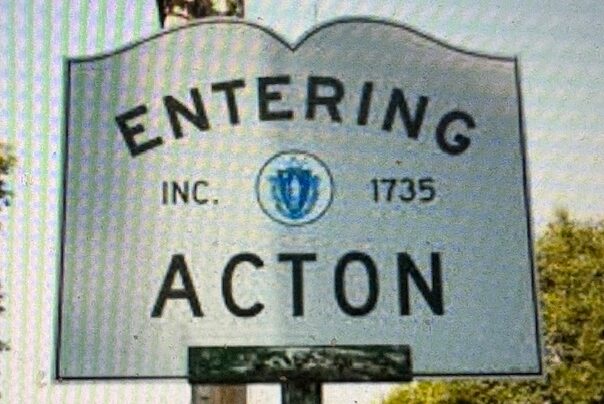
Acton, MA
Acton was incorporated in 1735, formed from portions of Concord, Sudbury, and Stow, and is remembered for its militia’s role at the North Bridge on April 19, 1775, at the start of the American Revolution. It carries that proud Revolutionary spirit within the quiet character of a classic New England town. Acton is also personally meaningful to me — it is where our first daughter was born.
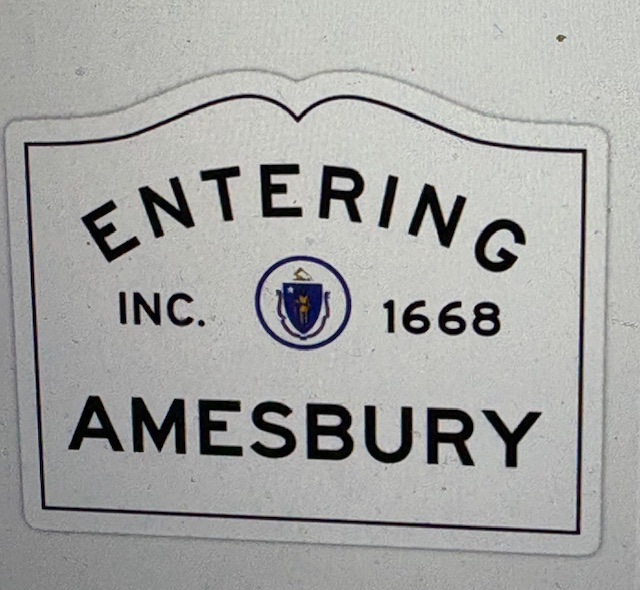
Amesbury, MA
Amesbury was incorporated in 1668, beginning as an agricultural settlement along the Merrimack River before growing into a center of industry in the 19th century, particularly known for carriage manufacturing that helped shape early transportation in America. The town is closely associated with John Greenleaf Whittier, the abolitionist whose home still stands here, as well as Josiah Bartlett, who was born in this area and later became governor of New Hampshire. Today, Amesbury reflects these layers of history—river, industry, and reform—offering a story shaped by both innovation and ideas.
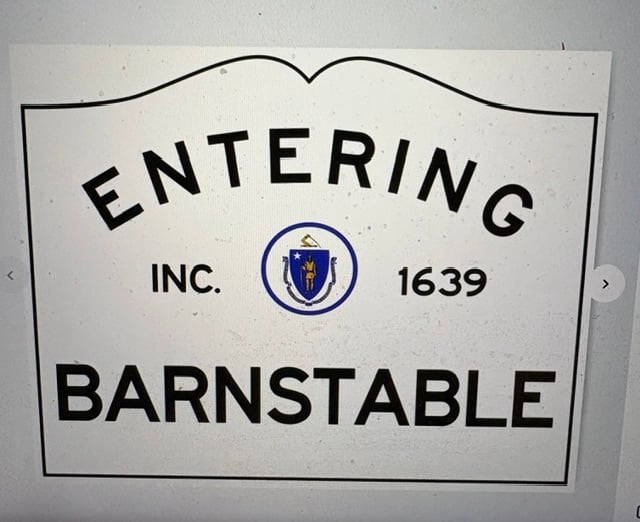
Barnstable, MA
Barnstable, MA Barnstable was settled in 1638 and incorporated in 1639, making it one of the earliest towns established on Cape Cod. Named for Barnstaple in Devon, England, the town developed along both Cape Cod Bay and Nantucket Sound. Agriculture, fishing, shell fishing, salt production and maritime commerce supported its early communities, while Barnstable Harbor connected local residents with ports throughout New England and beyond. The Town of Barnstable is composed of seven villages: Barnstable, Centerville, Cotuit, Hyannis, Marstons Mills, Osterville and West Barnstable. Hyannis grew into the town’s largest village and principal commercial, transportation and maritime center, later becoming closely associated with the Kennedy family and their Hyannis Port home. Today, Barnstable’s historic houses, churches, burial grounds, working harbors and coastal landscapes preserve the varied stories of the communities that have shaped the town for nearly four centuries.
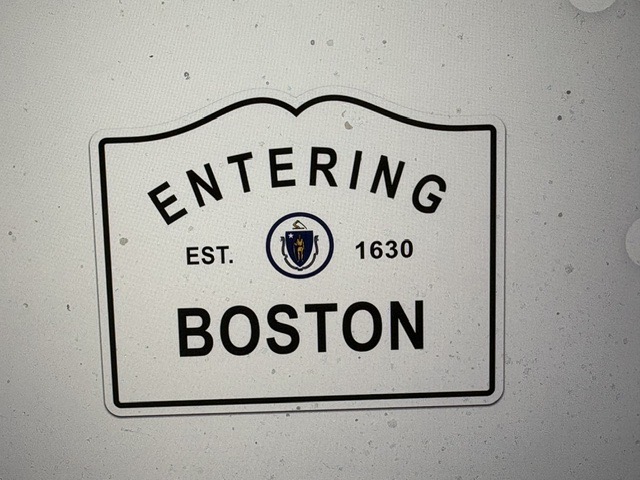
Boston, MA
Boston was founded in 1630 by Puritan settlers led by John Winthrop and quickly became the political, economic, and cultural center of colonial New England. It was here that events such as the Boston Massacre, the Boston Tea Party, and the Siege of Boston ignited the movement for American independence, earning the city its title as the "Cradle of Liberty." Beyond the Revolution, Boston has continued to shape the nation through its leadership in education, medicine, literature, and innovation. For me, Boston has always been more than a historic city. Living nearby and returning countless times over the years, it has been a place where history comes alive, reminding me that the story of America can be found on nearly every street corner.
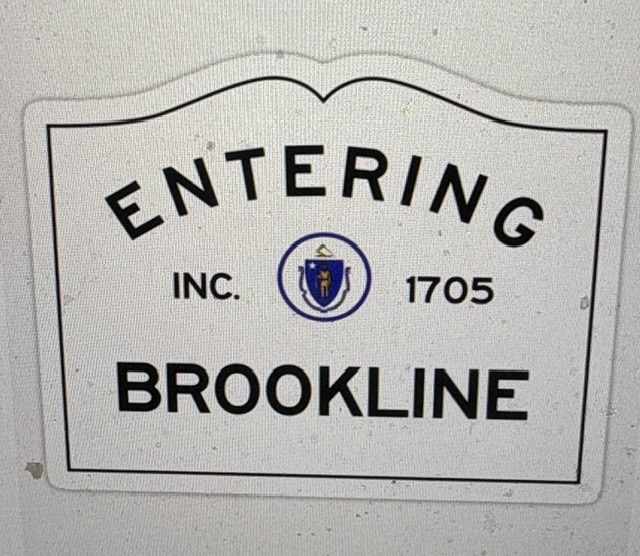
Brookline, MA
Brookline began as the rural hamlet of Muddy River, an outlying farming community of Boston, before incorporating as an independent town in 1705. As Boston expanded during the nineteenth century, Brookline became America's first successful streetcar suburb, offering residents the opportunity to enjoy a peaceful, landscaped community while commuting easily into the city. Its decision to remain independent when neighboring communities were annexed by Boston preserved the distinctive character that still defines the town today. Brookline is perhaps best known as the birthplace of President John F. Kennedy and as the home of Frederick Law Olmsted, whose pioneering landscape designs transformed American parks and communities. With its tree-lined streets, historic homes, and carefully preserved neighborhoods, Brookline reflects more than three centuries of history while remaining one of the most desirable communities in Greater Boston. Its unique blend of colonial heritage, suburban innovation, and cultural significance has made it an enduring model for communities across the United States.
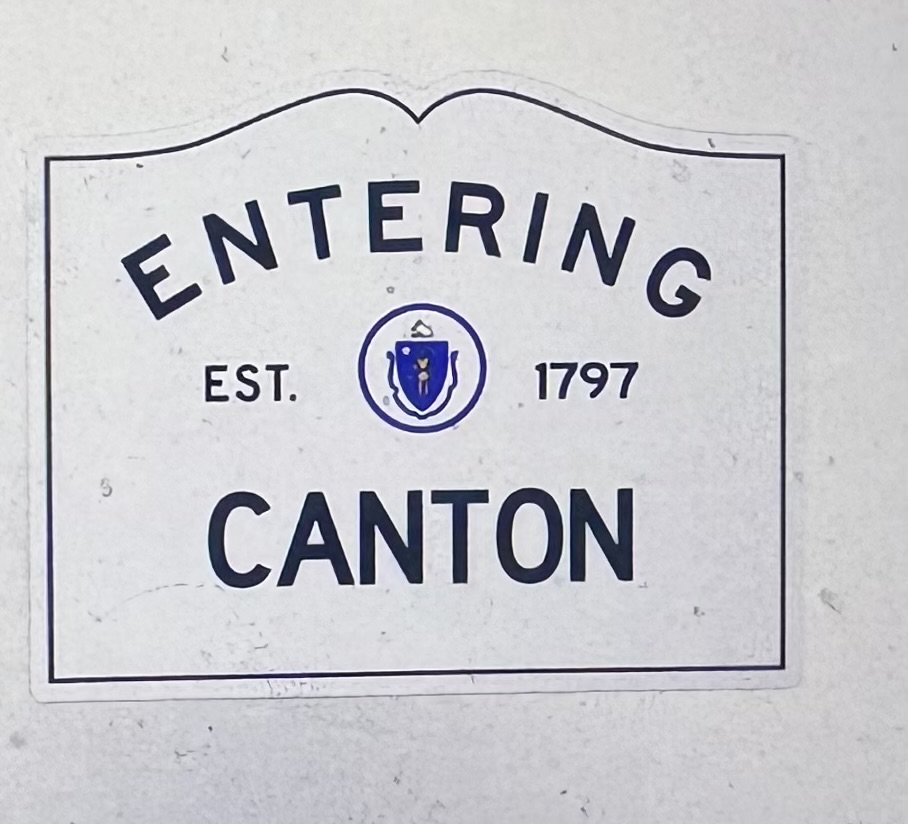
Canton, MA
Canton was incorporated in 1797, formed from the southern district of Stoughton as the region developed into a small but active industrial community along the Neponset River. Early iron works, mills, and the copper rolling works established by Paul Revere helped place Canton among the important manufacturing towns of early Massachusetts. In the nineteenth century the town also became known for the Canton Viaduct, a remarkable granite railroad bridge built in 1835 for the Boston & Providence Railroad. Today Canton’s landscape reflects this blend of industry, transportation innovation, and early New England settlement.
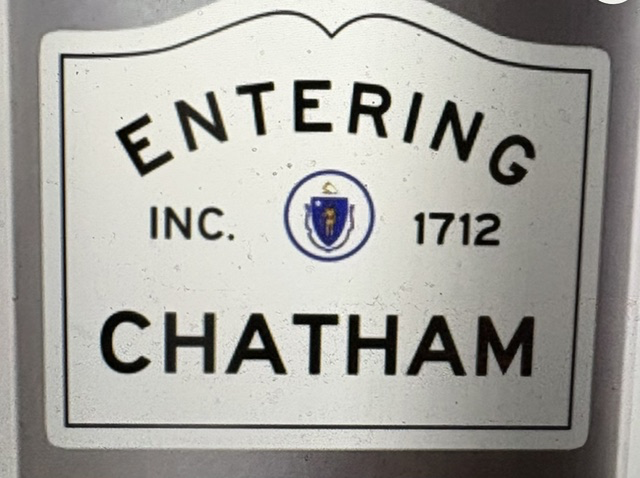
Chatham, MA
Long before European settlement, the area now known as Chatham was home to the Monomoyick people, who sustained their communities through farming, hunting and fishing. English settlers arrived during the 1660s, and the community, originally known as Monomoit, was incorporated as Chatham in 1712. Located at the elbow of Cape Cod, the town developed around agriculture, fishing, whaling, shipping and other maritime enterprises. Its surrounding shoals and shifting coastline also made these waters particularly dangerous, leading to the establishment of lighthouses and lifesaving stations. Today, Chatham’s lighthouse, fishing pier, historic homes, museums and preserved coastal landscapes reflect more than three centuries of town history and the much older story of the people who lived here before European settlement. Its working harbor, traditional downtown and access to the beaches and wildlife of Monomoy preserve its strong connection to the sea. Exploring Chatham allowed us to experience another of Cape Cod’s distinctive communities, where maritime history remains an important part of everyday life.
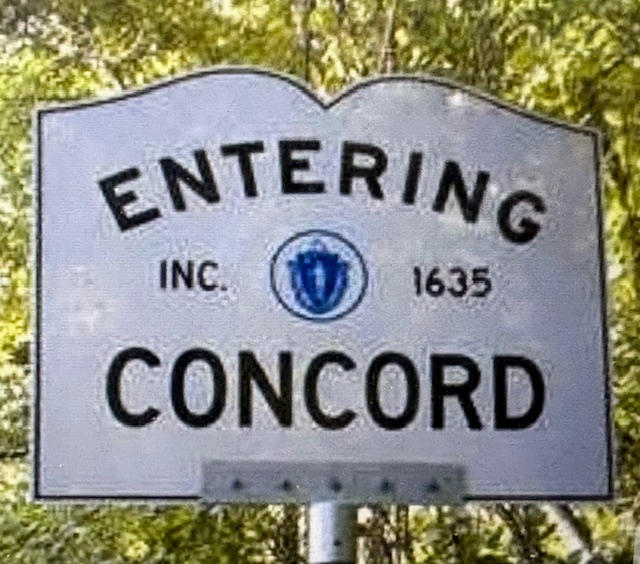
Concord, MA
Concord was incorporated in 1635, making it one of the oldest towns in Massachusetts, and it is forever linked to April 19, 1775, when the “shot heard ’round the world” was fired at the North Bridge. It later became a center of American literary and philosophical life, home to Emerson and Thoreau, whose ideas continue to shape our understanding of liberty and nature. Concord is especially meaningful to me because my daughters volunteered in its historic homes, and our daughter Emily attended Concord Academy, weaving our family story into the town’s remarkable history.
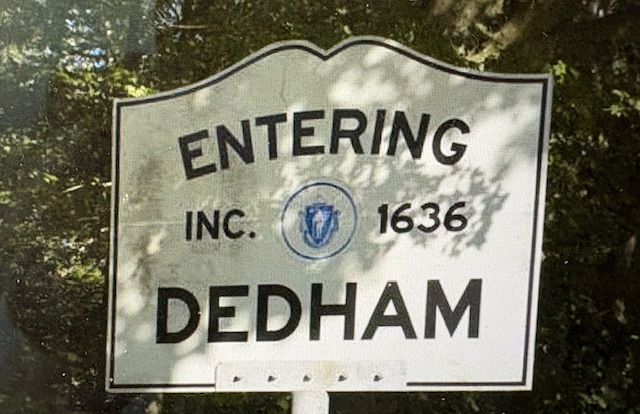
Dedham, MA
Dedham was incorporated in 1636, making it one of the earliest inland settlements in Massachusetts. Known for its strong civic structure and early town covenant, Dedham became a model of organized community life in colonial New England. Its historic town green, early meetinghouse traditions, and preserved homes reflect a town deeply rooted in shared governance and continuity.
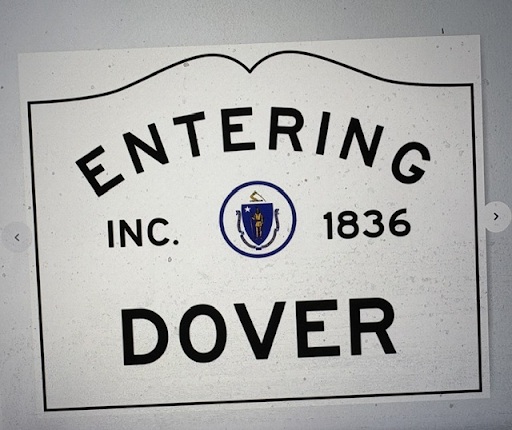
Dover, MA
Dover was incorporated as a town in 1836, although its history began much earlier as part of Dedham. The area was organized as Dedham’s Springfield Parish in 1748, became the separate District of Dover in 1784, and gained full town status more than fifty years later. Its early civic and religious life centered around the meetinghouse, while farms, mills and scattered homesteads developed across its wooded landscape. Dover remained largely rural as neighboring communities became more densely developed. Its winding roads, stone walls, historic homes and extensive conservation land continue to reflect that character. The Benjamin Caryl House, built around 1777 for Dover’s first minister, preserves the story of an early local family, while the town center and surviving historic buildings reflect the community that grew from the original parish. Today, the Charles River, Noanet Woodlands, open fields and protected natural areas remain central to Dover’s identity as one of the most rural communities near Boston.
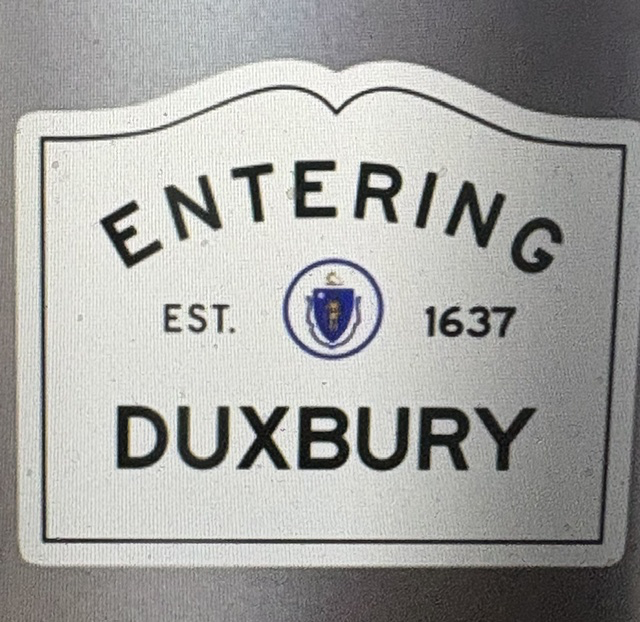
Duxbury, MA
Duxbury was settled in the 1630s by families moving north from Plymouth and was incorporated in 1637, making it one of the earliest towns established from Plymouth Colony. Among its first residents were prominent Mayflower passengers and colonists, including Myles Standish, John Alden and William Brewster. With its location along Duxbury Bay, the town later developed into an important shipbuilding and maritime center. During the late 18th and early 19th centuries, Duxbury became known for building large merchant vessels, connecting this small Massachusetts community with ports around the world. Although the shipbuilding era eventually faded, much of the town's early character survived. Today, its historic homes, ancient burial grounds and coastal landscape preserve nearly four centuries of history, from the generation that came aboard the Mayflower to the maritime families who helped shape the town that followed.
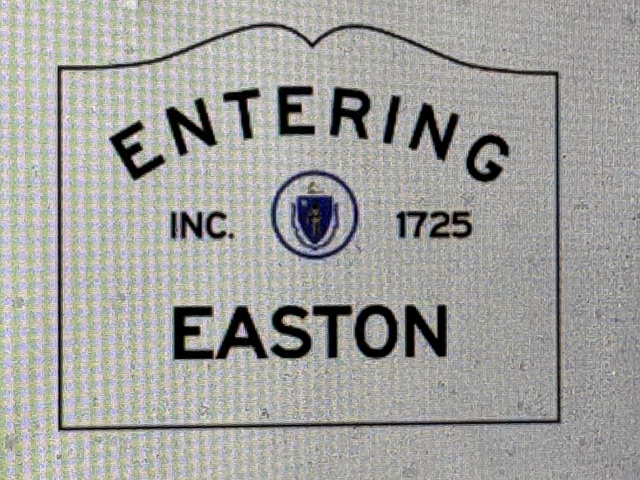
Easton, MA
Easton was incorporated in 1725, but its identity was shaped most strongly by the shovel industry that developed there in the nineteenth century. In 1803, Oliver Ames established a shovel-making business that grew into one of the country’s leading manufacturers. Ames shovels supplied workers building railroads, digging canals, and developing infrastructure across the expanding nation, connecting this Massachusetts town to projects far beyond its borders. The success of the shovel industry shaped more than Easton’s economy. It influenced the growth of neighborhoods, created livelihoods for generations of workers, and supported improvements to the town’s public spaces. The relationship between manufacturing, community life, and civic generosity became a defining part of Easton’s character. Today, its historic village and former industrial sites preserve the story of a town whose local enterprise played a role in the nation’s growth.

