Massachusetts
Massachusetts has played a central role in the American story, from the arrival of the Pilgrims at Plymouth and the growth of the Massachusetts Bay Colony to the opening battles of the American Revolution at Lexington and Concord. Its towns also preserve the history of maritime trade, immigration, industry, abolition, education, literature, and the changing life of New England.
Massachusetts is also my home. Its cities, villages, historic houses, town commons, museums, cemeteries, monuments, and landscapes have shaped my life and provided many of my Hometown Stories. These are places I have visited throughout the years, often with my family, discovering that history is not confined to famous landmarks. It remains present in the communities and ordinary places all around us.
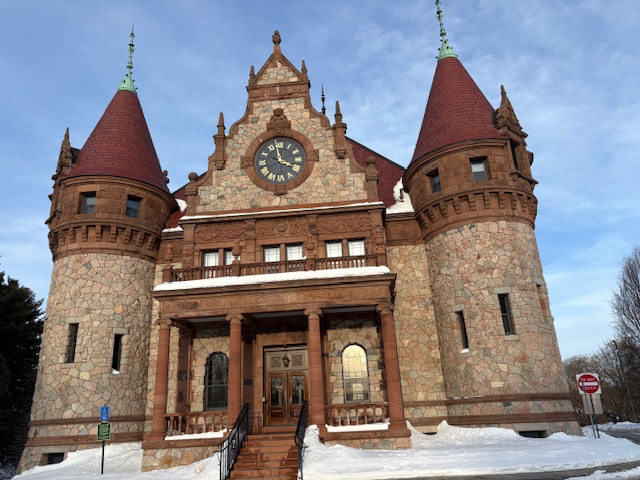
Hometowns
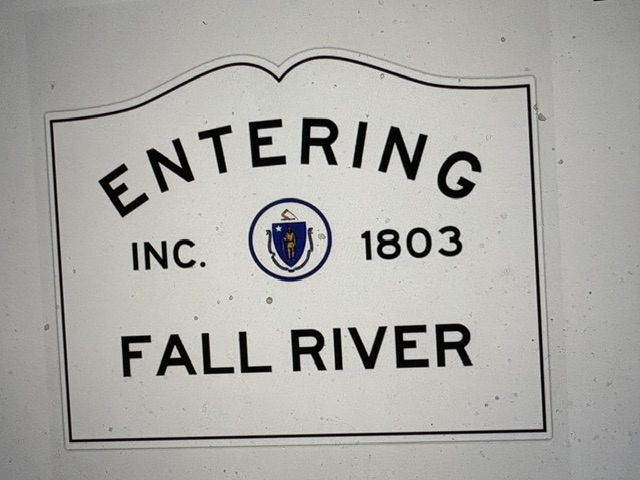
Fall River, MA
Fall River was incorporated in 1803, though its roots extend back to the colonial era when the area was settled along the Quequechan River and Mount Hope Bay. During the nineteenth century, the city emerged as one of the leading textile manufacturing centers in the United States, earning a reputation as the "Spindle City" for its vast network of cotton mills that powered the local economy and attracted generations of immigrant workers from around the world. Fall River is perhaps best known for two very different chapters of its history. It was the birthplace of the luxury ocean liner RMS Titanic, whose owner, the White Star Line, maintained strong connections to the city through the American Printing Company and local textile interests. The city is also forever linked to the infamous 1892 Lizzie Borden murders, one of the most famous unsolved cases in American history. Today, Fall River reflects these many layers of his history: maritime commerce, industry and immigration. Overlooking Mount Hope Bay and home to landmarks such as Battleship Cove and the Lizzie Borden House, the city tells the story of New England's industrial rise and the diverse communities whose labor and traditions helped shape.
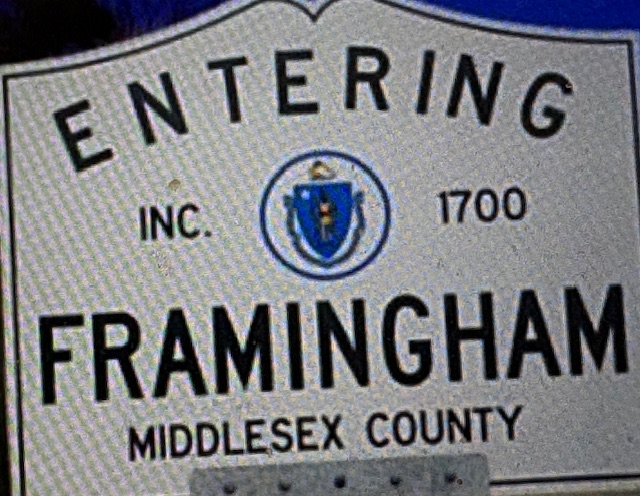
Framingham, MA
Framingham was incorporated as a town in 1700 and became a city in 2018, reflecting its growth from a colonial farming community into a vibrant regional center. Historically known for its role in abolitionist activity and later for its industrial development along the rail lines, Framingham blends civic engagement with economic evolution. Today it remains one of MetroWest’s most dynamic communities, balancing historic roots with modern diversity and growth.
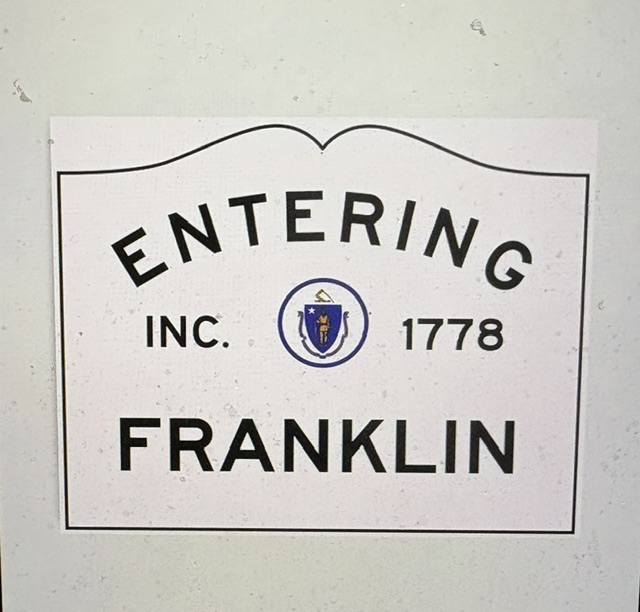
Franklin, MA
Franklin was incorporated in 1778, formed from portions of nearby Wrentham during the closing years of the American Revolution. The town was named in honor of Benjamin Franklin, who donated books to the community after learning the town could not afford a church bell. That gift became the foundation of what is recognized as America’s first public lending library, establishing Franklin’s long-standing connection to education, civic responsibility, and public service. Originally a rural farming community organized around its town common and meetinghouse, Franklin developed through the classic New England pattern of agriculture, small industry, and tightly connected civic life. Over time, the arrival of mills, railroads, and manufacturing helped transform the town while still preserving much of its historic character. Today, Franklin’s town common, historic churches, early homes, and public buildings reflect a community where education, local identity, and New England history remain closely intertwined.
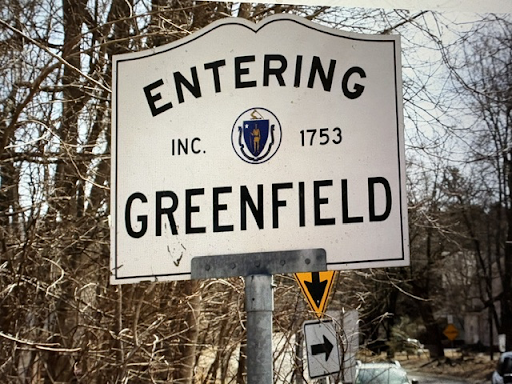
Greenfield, MA
Greenfield was established in 1753 from land that had been part of Deerfield, taking its name from the Green River. Located in western Massachusetts near the meeting of the Deerfield and Connecticut rivers, it grew from a farming community into an important center of trade and manufacturing. When Franklin County was created in 1811, Greenfield became its county seat, bringing courts, businesses, and travelers into its developing downtown. During the nineteenth century, Greenfield became known for cutlery and precision tools. John Russell’s Green River Works produced knives that earned a national reputation, while skilled craftsmen and inventors helped establish the community as a center for manufacturing taps and dies—the tools used to cut screw threads. Waterpower and expanding railroad connections supported these industries, linking Greenfield’s factories with markets far beyond the Connecticut River Valley. Today, Greenfield’s historic downtown, former industrial sites, and surrounding hills preserve these layers of its past. Main Street’s commercial buildings reflect its longstanding role as a regional gathering place, while the Museum of Our Industrial Heritage tells the story of the tools, inventions, and workers that helped shape the community. Greenfield remains a place where the agricultural landscape of western Massachusetts meets the ingenuity and ambition of New England’s industrial history.
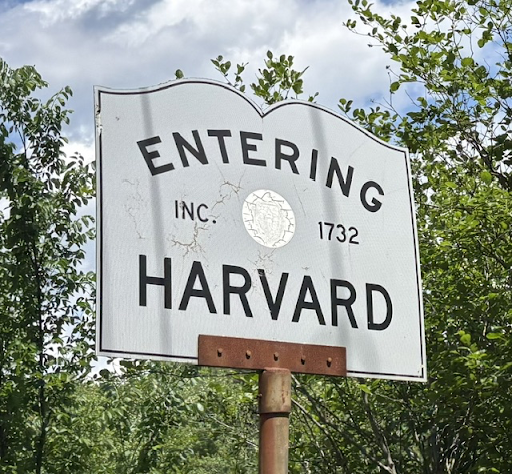
Harvard, MA
Harvard was incorporated in 1732 from portions of Lancaster, Groton, Stow, and Boxborough, developing as a rural farming community in the rolling hills of north-central Massachusetts. Unlike many New England towns that became centers of manufacturing, Harvard retained its agricultural character, with orchards, dairy farms, and open fields shaping both its landscape and way of life. The town later became especially well known for its apple orchards, earning a reputation as one of the region's premier apple-growing communities. Today, Harvard reflects these layers of history with its colonial heritage, agricultural traditions, and commitment to preserving open space. Historic homes, town commons, orchards, and conservation lands continue to tell the story of a community that has carefully balanced growth with the preservation of its rural New England character.
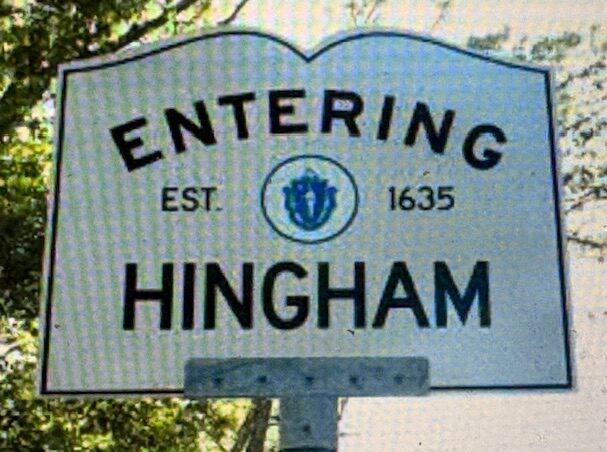
Hingham, MA
Hingham was incorporated in 1635, making it one of the oldest towns in Massachusetts. Settled largely by families from Hingham, England, it developed as a coastal shipbuilding and maritime community, with its harbor shaping both its economy and identity. Hingham’s preserved colonial homes and its historic meetinghouse reflect a town that has long balanced seafaring enterprise with deep New England roots.
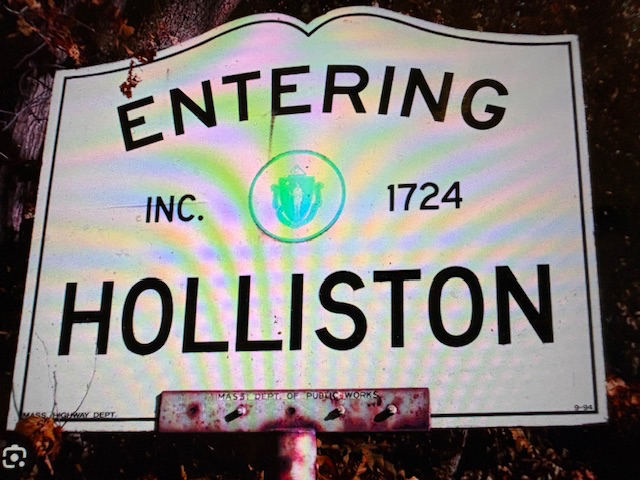
Holliston, MA
Holliston was incorporated in 1724, carved from the western lands of Sherborn, and developed as a small but industrious inland Massachusetts town. Its early economy was shaped by agriculture, small mills along its brooks, and the skilled trades that supported rural New England life. By the nineteenth century, Holliston became known for its boot and shoe manufacturing, joining many MetroWest towns that quietly fueled Massachusetts’ growing industrial strength.
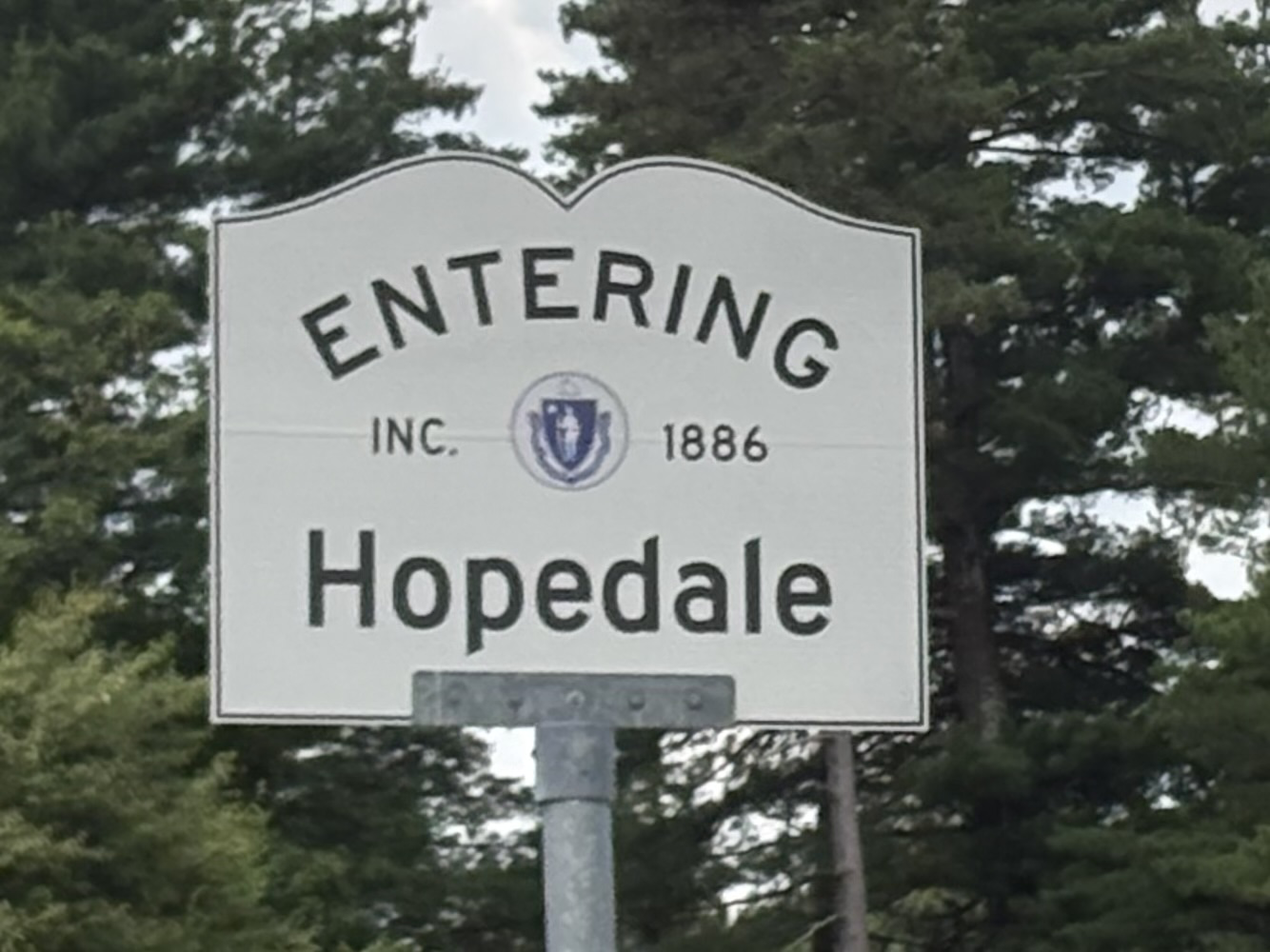
Hopedale, MA
Hopedale was incorporated in 1886, but its story began decades earlier as one of America's most ambitious utopian communities. In 1842, minister and social reformer Adin Ballou founded the Hopedale Community, a Christian cooperative society built on principles of equality, nonviolence, shared labor, and mutual responsibility. Although the experiment lasted only into the 1850s, its ideals left a lasting imprint on the town. The community eventually evolved into an industrial center through the Hopedale Machine Company, founded by George Draper, whose innovations in textile machinery helped power mills around the world. Today, Hopedale preserves this remarkable blend of idealism and industry—a town where a bold social experiment gave way to economic innovation, while still reflecting the vision that inspired its very beginning.
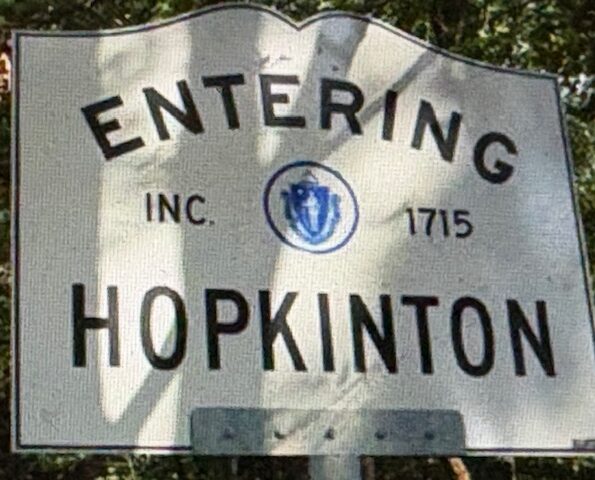
Hopkinton, MA
Hopkinton was incorporated in 1715, formed from portions of Sherborn and neighboring towns. It is best known as the starting point of the Boston Marathon, a tradition that has brought international recognition to this small New England community since 1924. Despite that global spotlight, Hopkinton retains the character of a historic rural town with strong civic pride and colonial roots.
Hudson, MA
Hudson was incorporated in 1866, beginning as the industrial village of Feltonville along the Assabet River before separating from surrounding towns to form its own identity. In the 19th century, Hudson grew into a center of manufacturing, particularly known for its shoe industry, which helped supply a rapidly expanding nation. The mills and factories that once lined the river shaped both the economy and the daily life of the town. Today, Hudson reflects these layers of history, river, industry, and community, where its revitalized downtown and preserved landmarks tell the story of a working New England town that has adapted while still holding onto its roots.
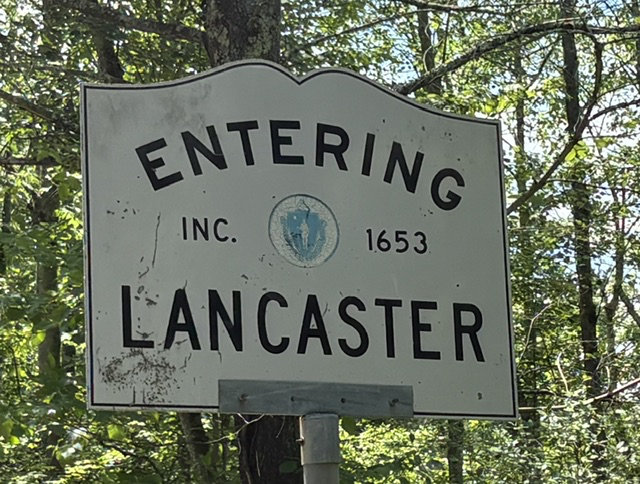
Lancaster, MA
Lancaster was incorporated in 1653, making it one of the oldest towns in Massachusetts and the first permanent English settlement in the Nashua River Valley. Established along fertile farmland and important Native American trails, the town developed as an agricultural community characterized by broad fields, village centers, and the civic traditions that defined early New England life. Because of its frontier location, Lancaster played a significant role in King Philip's War and endured several attacks during the seventeenth century, experiences that shaped the town's early history. Over the centuries, Lancaster retained much of its rural character while preserving an exceptional collection of colonial, Federal, and Victorian homes. Scenic roads, historic churches, and broad stretches of open land give the town a timeless quality that reflects centuries of careful stewardship. Today, Lancaster remains a community where history and landscape are closely intertwined. Its farms, historic districts, and quiet country roads preserve the character of one of Massachusetts' oldest towns, offering a living connection to the colonial origins of New England and the generations of people who have called this place home.
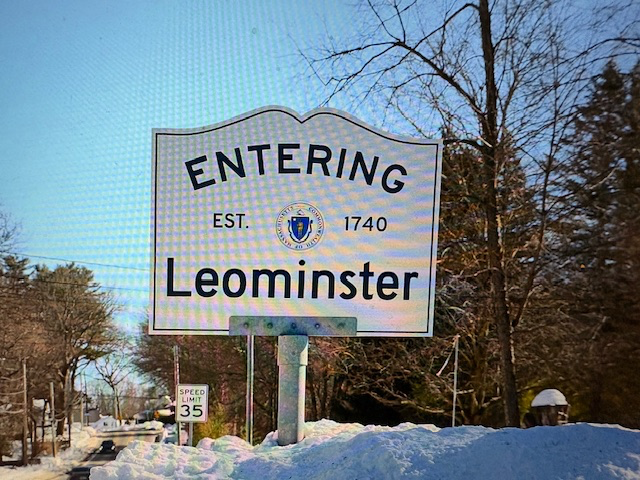
Leominster, MA
Leominster was incorporated in 1740, beginning as an agricultural settlement before evolving into a center of manufacturing in the 19th and 20th centuries. The city became especially known for its role in the plastics industry, earning the nickname “the Pioneer Plastics City” as innovation in manufacturing helped shape modern consumer goods. Leominster is also closely associated with Johnny Appleseed (John Chapman), who was born here and later became an enduring American folk figure, known for spreading apple orchards across the frontier.Today, Leominster reflects these layers of history, farmland, industry, innovation, and service, offering a story shaped by both tradition and the people who carried it forward.

