Castle Hill
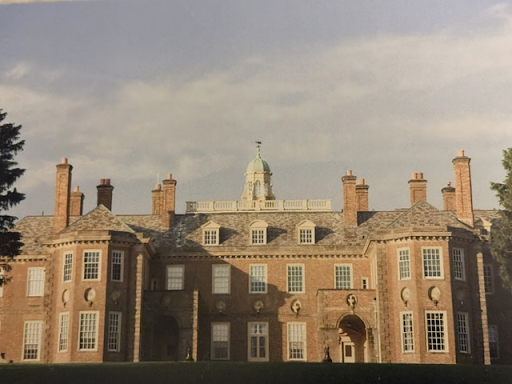
Perched high above the salt marshes and Atlantic coastline of Ipswich, Massachusetts, Castle Hill on the Crane Estate is one of the great surviving country estates of New England. The massive brick mansion and endless coastal views create a setting that feels both grand and connected to the natural beauty surrounding it. Built in 1918 for Chicago industrialist Richard T. Crane, Jr and his family, the estate reflects the final years of America’s great mansion era, when wealthy families created enormous summer retreats designed for entertaining and escape from city life.
The Crane family made its fortune through Crane Plumbing Company. The company became one of the largest manufacturers of plumbing fixtures and industrial products in the United States during the rapid industrial expansion of the late nineteenth century.
The Cranes were drawn to Ipswich because of its natural beauty and coastal landscape. They purchased this vast stretch of rolling land overlooking the Atlantic Ocean and Great Marsh. The result was an estate where architecture and landscape were designed together to highlight the marsh views, ocean breezes and natural scenery.
The mansion itself was designed by David Adler in the English Baroque Revival style. The house was intended to resemble an English country estate overlooking the sea. The long rolling lawn stretches from the mansion toward the Atlantic Ocean and creates an iconic view from the formal gardens to the vast marshes and beaches beyond.
Visitors can enjoy Castle Hill through mansion tours, concerts, garden programs, and seasonal events held throughout the year. We attended a high tea there years ago, and it was the perfect setting for an afternoon like that. The elegance of the house, the sweeping lawns, and the views overlooking the marshes and ocean made it feel as though we had stepped back into another era. Sitting on the grounds with tea and conversation, surrounded by such beauty and history, brought the estate to life in a way that a simple tour never could.
Read More From Nancy
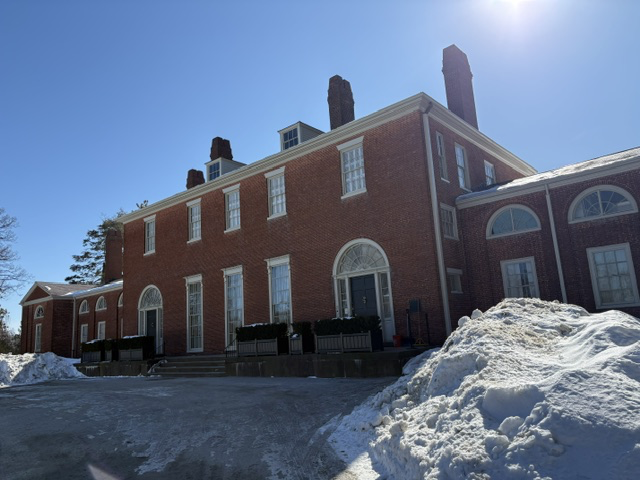
Gore Place
Surrounded by open lawns and mature trees, the Gore Place remains one of the finest surviving Federal-era estates in New England and offers a glimpse into the aspirations of the young American republic. Gore Place was built between 1804 and 1806 for Christopher Gore and his wife, Rebecca Amory Payne Gore. Christopher Gore was one of […]
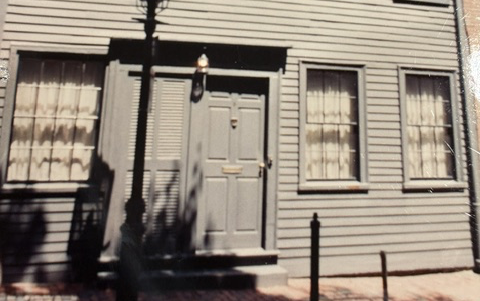
George Middleton House
Standing at 5 Pinckney Street on Boston’s Beacon Hill, the George Middleton House preserves an important chapter in the city’s early African American history. Constructed between 1786 and 1787, it is considered the oldest surviving residence on Beacon Hill and a rare example of a late-eighteenth-century Boston home built and owned by African Americans. The […]

The Amory Maynard House
Standing on Main Street, the Amory Maynard House is one of the most important surviving homes in Maynard. Built around 1845, it was the first residence of Amory Maynard after he and William Knight established the Assabet Woolen Mill. Long before the town bore his name, this house became the center of both his family […]

