A Street Name Rooted in the Soil
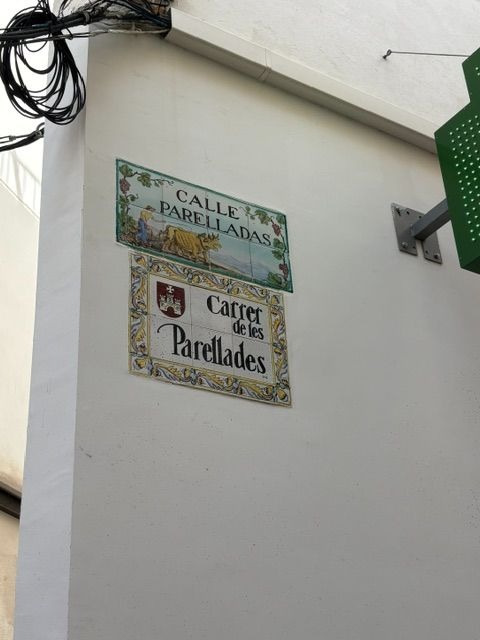
Along Carrer de les Parellades in Sitges, a ceramic street sign offers a clue to the meaning of an old name. Its scene of a farmer guiding two oxen through a field recalls a time when land was measured by the labor required to cultivate it.
A parellada was an agricultural measure associated with the area that a pair of oxen could plow in a day. The word derives from parell, meaning “pair”.
The scene on the sign illustrates that connection, giving a familiar street name a meaning that might otherwise go unnoticed.
It was a practical way of understanding land. Rather than describing its dimensions alone, the measure related a field to a day’s work. Within the name lies the effort of the farmer, the strength of the animals and the steady progress of a plow across the soil.
As Sitges expanded beyond its earlier enclosed center, development followed the axis of Carrer de les Parellades. Cap de la Vila became an important meeting place for civic and religious life, while the street formed part of the growing town.
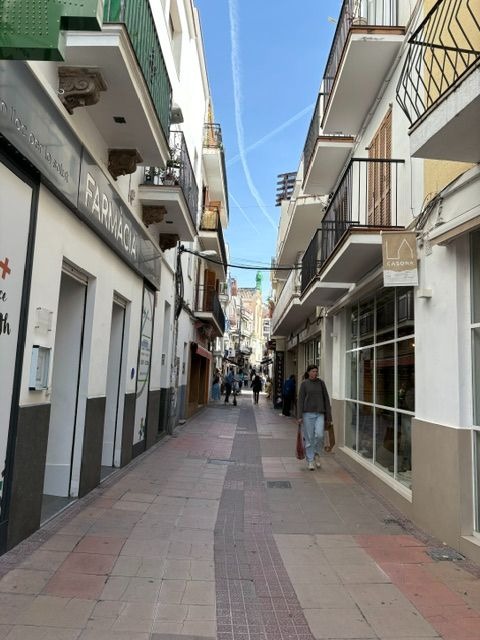
Today, shops, homes and balconies give the street an urban character. Pedestrians move through a setting far removed from the agricultural work suggested by its name. Yet the ceramic sign keeps that older meaning visible.
Its painted oxen do more than decorate a corner. They explain a word and preserve a connection to the land. In the middle of everyday activity, a small detail invites people to recognize how traces of earlier ways of life remain within the names of familiar places.
Read More From Nancy
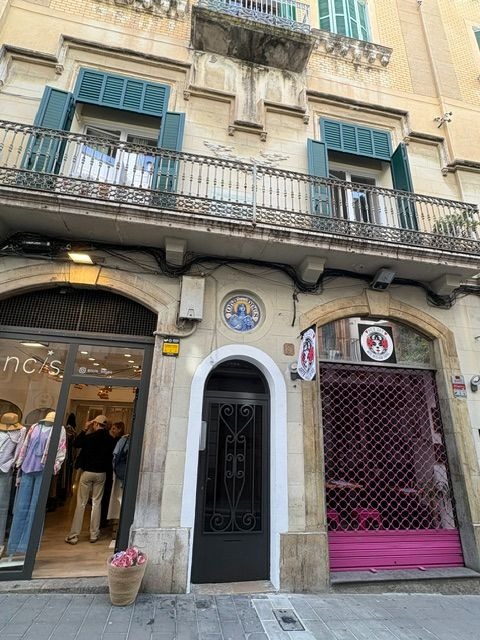
A House and the Virgin of Vinyet
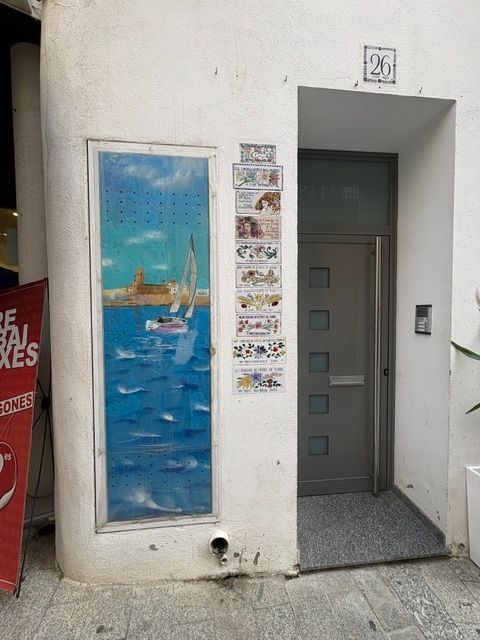
Above a doorway in Sitges, a small ceramic image brings a religious tradition into the life of the street. The depiction appears to be the Mare de Déu del Vinyet, the Virgin of Vinyet, whose connection with the town reaches back centuries. Set between shops and beneath a balcony, it gives a familiar domestic entrance […]
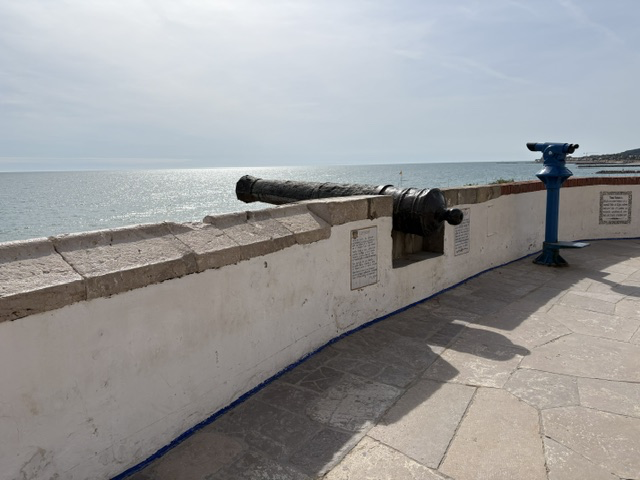
The Cannons of Sitges
Standing beside these weathered cannons on the Baluard overlooking the Mediterranean, it is easy to think of them simply as historic decorations. Visitors stop to admire the sea, photograph the coastline, and enjoy the peaceful atmosphere of Sitges. Yet these cannons were once an essential part of the town’s defense, guarding a community whose prosperity […]
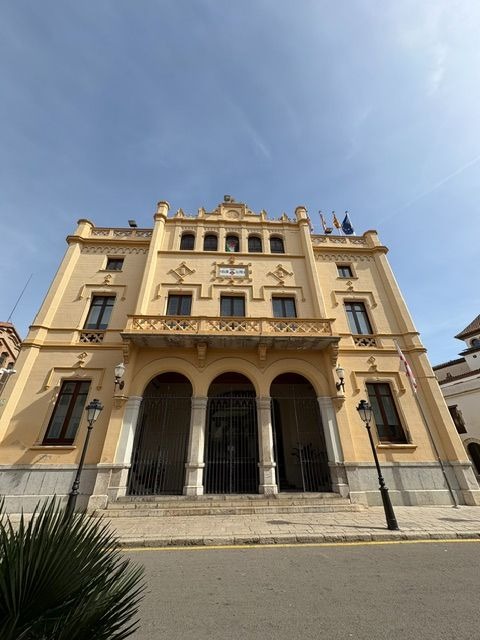
Casa de la Vila
In the historic heart of Sitges, Casa de la Vila stands on ground that once belonged to the town’s medieval castle. Its three arched entrances, stone balcony, decorative shields, and raised central façade give it a commanding presence in the square. Although its architecture recalls an earlier age, the building was created in the late […]

