A Hidden Courtyard
While exploring Berlin on a Jewish history tour, we walked into what appeared to be an ordinary courtyard tucked behind the busy streets of the city. Today it is filled with cafés, shops, and visitors, making it difficult to imagine that this quiet space once became the setting for acts of extraordinary courage during the Holocaust.
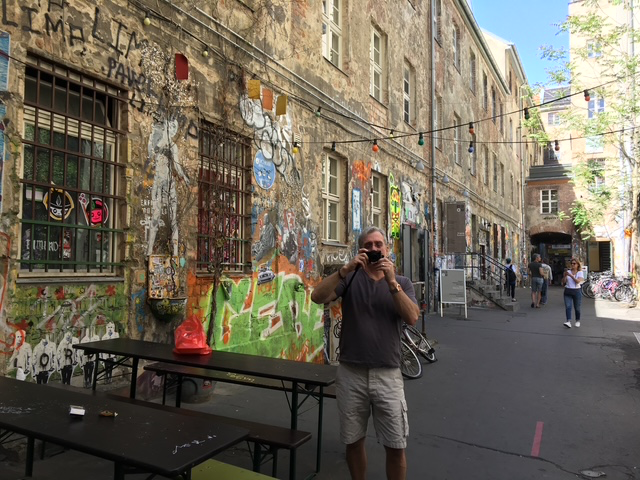
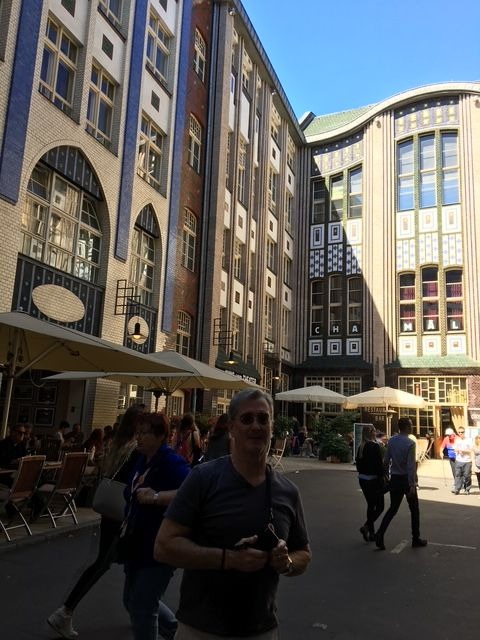
The courtyard is part of the Hackesche Höfe, a series of interconnected courtyards built in the early twentieth century. These complexes were designed to combine apartments, businesses, workshops, and small industries within a single block. Behind the elegant street façades, craftsmen, merchants, and factory workers carried on their daily lives in spaces much like this one.
During World War II, one of those workshops belonged to Otto Weidt, a brush maker who employed blind and deaf Jewish workers. From these modest rooms, Weidt did far more than manufacture brushes and brooms. He used his business as a means of protecting his employees, delaying deportations, bribing officials, obtaining forged documents, and, when necessary, hiding people from Nazi authorities.
Nothing about this courtyard suggests the danger it once concealed. Visitors pass through it every day, often unaware that behind these walls people risked their lives to save others. It is a reminder that some of history’s most courageous acts took place not in famous public buildings or on battlefields, but in ordinary workplaces hidden from public view.
Today, the courtyard remains part of Berlin’s vibrant urban life, while the Museum Blindenwerkstatt Otto Weidt preserves the story of the remarkable man who worked here and the lives he fought to save. Standing in this quiet space offers a powerful reminder that history is often hidden in the places we least expect to find it.
Read More
Read More From Nancy
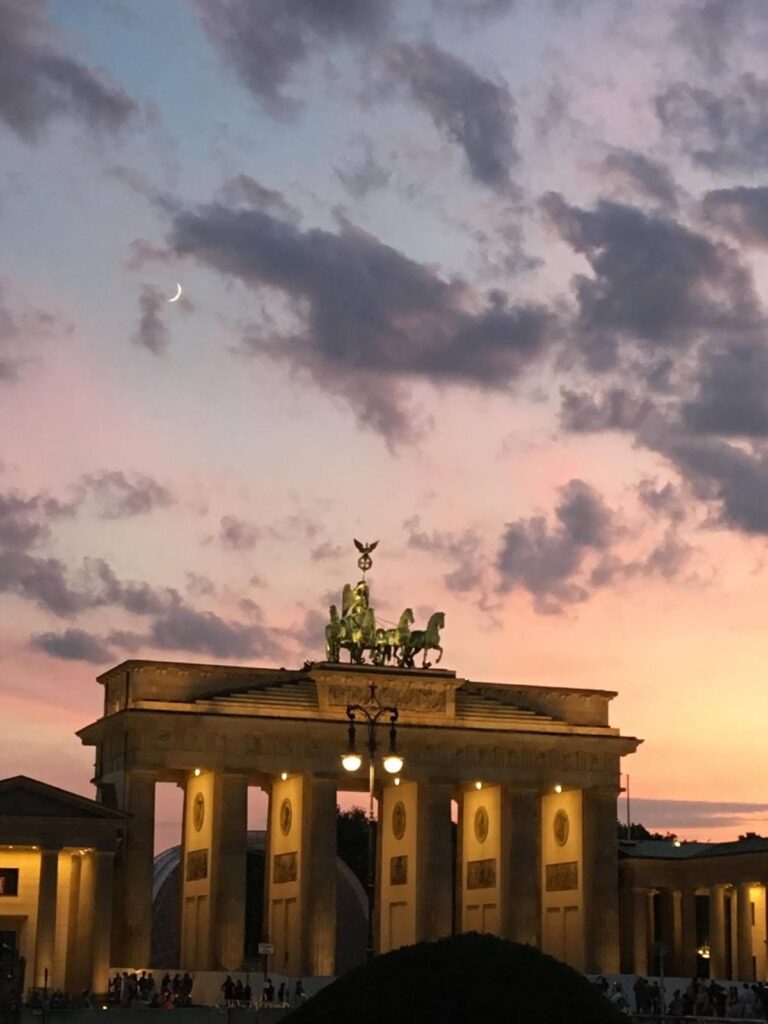
Brandenburg Gate
While visiting Berlin, the Brandenburg gate quickly becomes more than just a landmark, it becomes a focal point of the city’s history. Standing at Pariser Platz, we faced a structure built between 1788 and 1791 under King Frederick William II of Prussia. Designed by architect Carl Gottheard Langhans, the gate was inspired by classical Greek architecture. Its […]
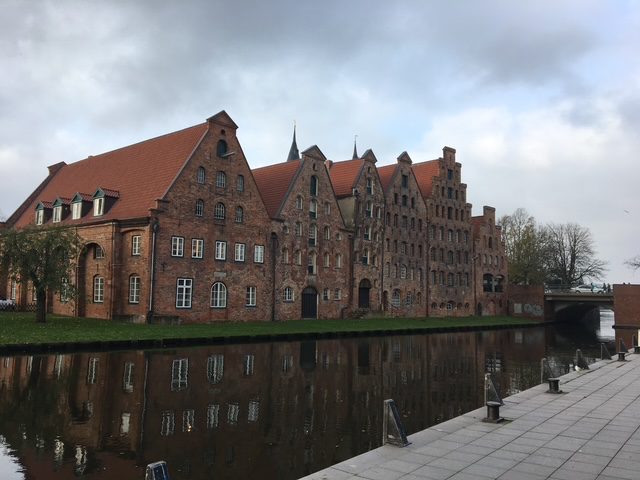
The Salt Storehouses
Standing along the Trave River near Lübeck’s Holsten Gate, the six buildings known as the Salzspeicher, or Salt Storehouses, preserve the story of a commodity that helped make this northern German city wealthy and powerful. Their rows of windows, steep red roofs, and distinctive stepped gables reflect in the water, creating one of Lübeck’s most […]

Trabi Car
When we visited Berlin in 2017, one of our fun adventures was driving a Trabant, known as a Trabi. I have to admit, I had never heard of these cars before. And when Marty suggested the tour, I was curious and so glad we did it. Marty took the wheel as we followed our guide […]

