A Family Tradition of Bookstores
Visiting bookstores has long been part of how our family travels. Wherever we go, we enjoy making time to browse the shelves and discover a place through its books. In Paris, that tradition brought us to Shakespeare and Company.
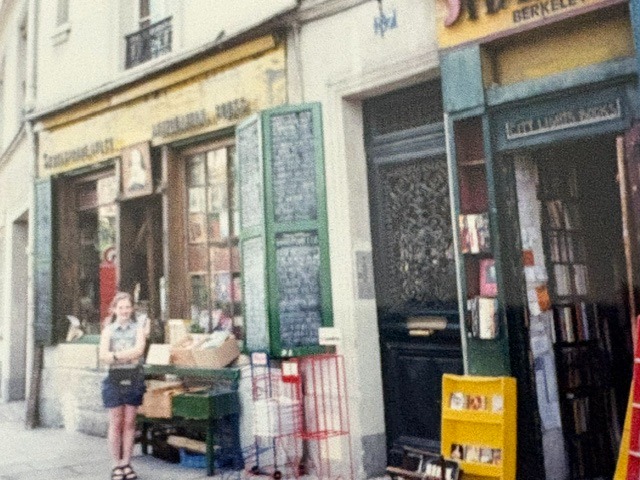
Both of our daughters are pictured at Shakespeare and Company: one outside among the books displayed along the storefront, the other inside surrounded by shelves in the library.
Shakespeare and Company offered a particularly meaningful setting for our visit. George Whitman opened the English-language bookshop in 1951, creating a gathering place for readers and writers on the Left Bank. Originally called Le Mistral, it received its current name in 1964 in honor of Sylvia Beach’s earlier Paris bookstore.
Whitman’s hospitality extended beyond welcoming customers. Traveling writers and artists could sleep among the shelves, on beds that served as benches during the day. These guests, known as “Tumbleweeds,” were asked to read a book daily, help in the shop and contribute a short autobiography. Their stories became part of the bookstore’s growing archive.

Browsing a bookstore gives each of us room to follow our own interests. We enter together, then find ourselves drawn toward different shelves, authors and subjects. There is time to linger, read a few pages and share something we have found.
At Shakespeare and Company, that familiar pleasure became part of our experience of Paris. The shop had its own remarkable history, while our daughters exploring its books added a personal connection we still carry with us.
Read More From Nancy
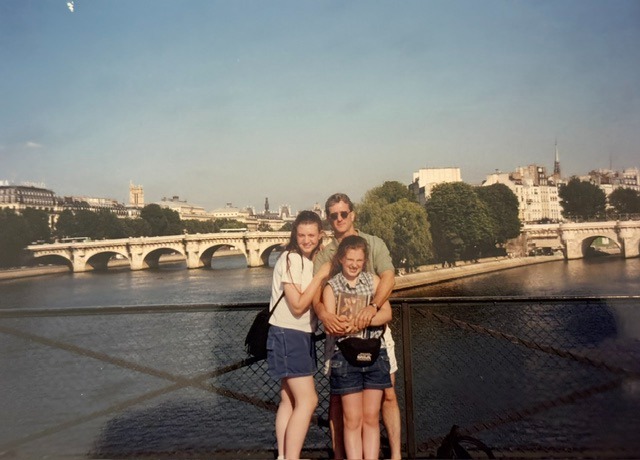
Pont Neuf
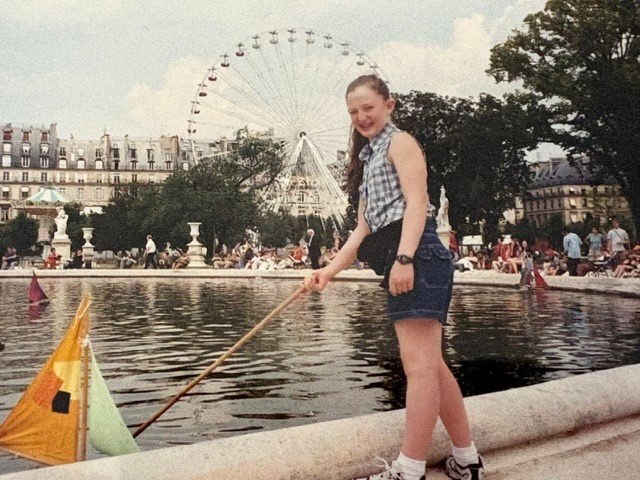
Despite its name, which means “New Bridge”, the Pont Neuf is the oldest surviving bridge in Paris. Crossing the Seine in two sections at the western end of the Île de la Cité, it connects the island with both riverbanks. Its construction introduced a different way of moving through, and looking at, the city. Henri […]
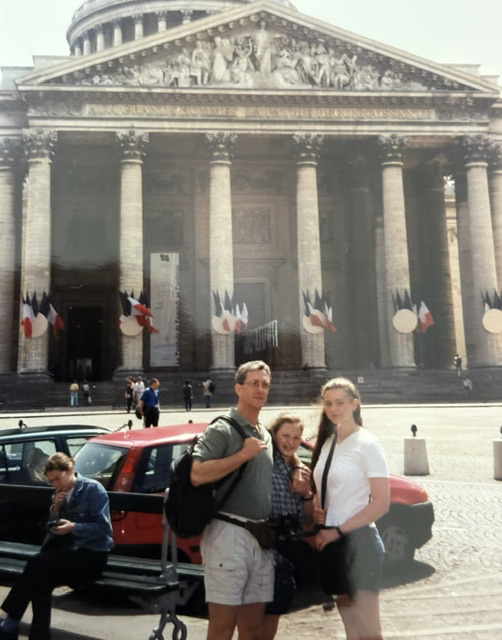
The Panthéon
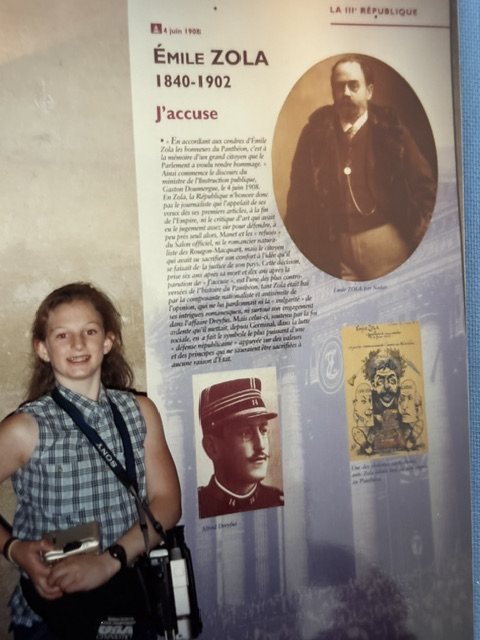
During our family vacation to France, we visited the Panthéon in the Latin Quarter of Paris. Its massive columns, triangular pediment, and soaring dome give it the appearance of an ancient temple standing in the middle of the modern city. The building was commissioned by King Louis XV as a church dedicated to Saint Geneviève, […]
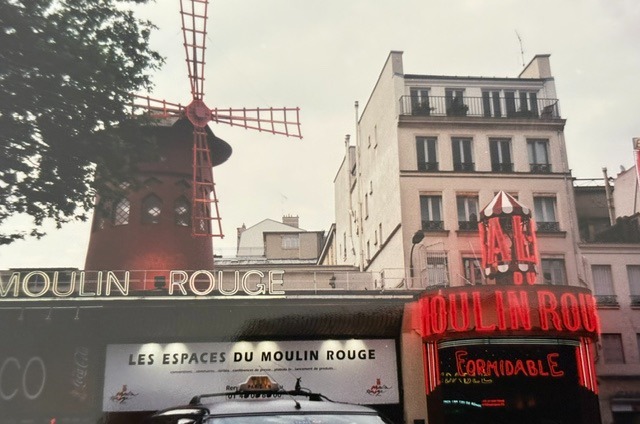
The Moulin Rouge and Its Red Windmill
Above the entrance to the Moulin Rouge, a red windmill announces one of Paris’s most famous places of entertainment. Its name means “Red Mill”, and the windmill has been part of its identity since the cabaret opened on October 6, 1889, at the foot of Montmartre. Founded by Joseph Oller and Charles Zidler, the Moulin […]

