Pont Neuf
Despite its name, which means “New Bridge”, the Pont Neuf is the oldest surviving bridge in Paris. Crossing the Seine in two sections at the western end of the Île de la Cité, it connects the island with both riverbanks. Its construction introduced a different way of moving through, and looking at, the city.
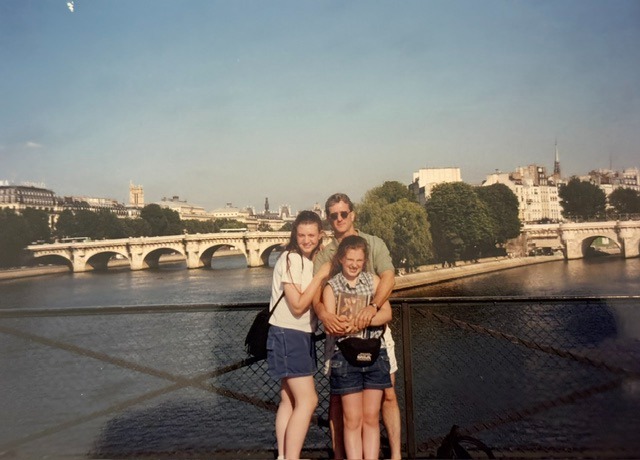
Henri III laid the first stone in 1578. France’s Wars of Religion interrupted the work, and the bridge was inaugurated under Henri IV in 1607. Its completion linked the two reigns through a project that outlasted decades of political and religious conflict.
Unlike earlier Paris bridges lined with houses, the completed Pont Neuf left the river views open. Raised sidewalks gave pedestrians space apart from horses and wheeled traffic, offering protection from the mud and splashing of the roadway. Crossing the river could also become an occasion to pause and enjoy the surroundings.
The bridge’s stonework includes carved faces known as mascarons. These expressive ornaments bring human features to the structure, adding a decorative character to its practical engineering.
A statue of Henri IV was installed in 1614, commemorating the king associated with the bridge’s completion. It was the first equestrian statue of a French king erected in a public square in Paris.
The Pont Neuf helped establish the bridge as a public place as well as a crossing. Its open views and provision for pedestrians made the Seine part of everyday urban experience, creating a setting that would attract generations of artists and walkers.
Read More
Read More From Nancy
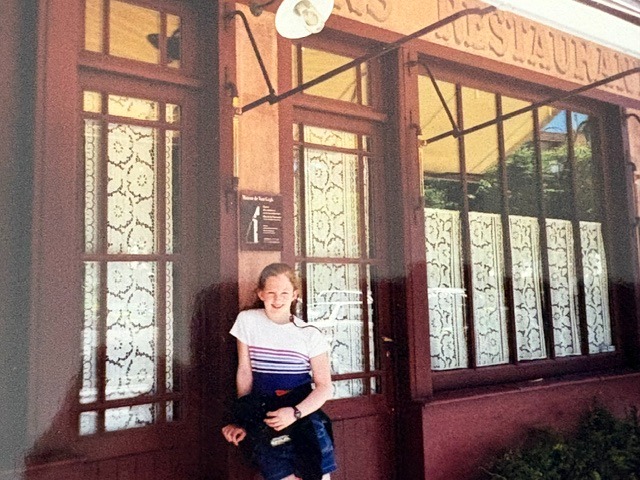
Auberge Ravoux
During our family vacation in France, we ate a meal at Auberge Ravoux in Auvers-sur-Oise, the inn where Vincent van Gogh spent the final months of his life. Sharing a meal there gave us a simple connection to the building’s history: it had once provided the artist with both food and a place to stay. […]
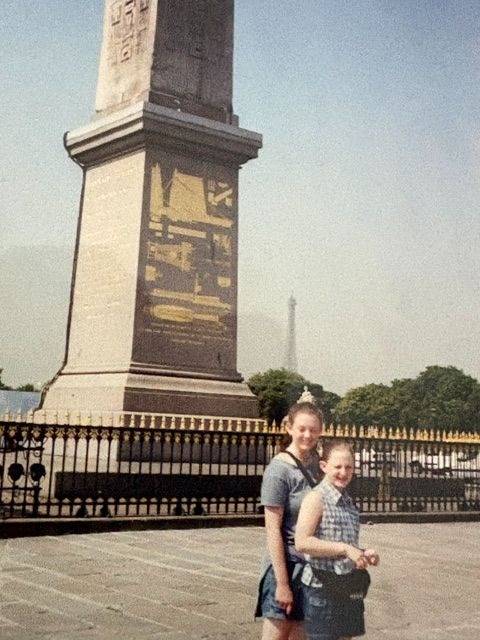
The Luxor Obelisk
The gilded diagrams on the pedestal of the Luxor Obelisk tell a different story from the hieroglyphs carved into the ancient stone above them. They record the nineteenth-century engineering required to move the monument from Egypt and raise it in the center of Paris. The obelisk originally stood at the entrance to Luxor Temple. In […]
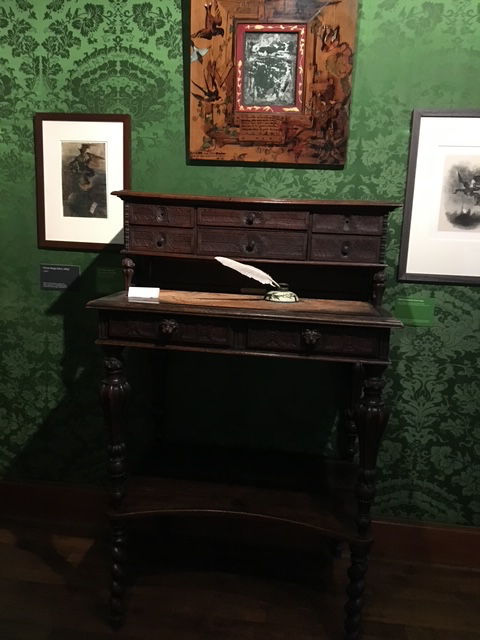
Victor Hugo’s Standing Desk
Victor Hugo was known for writing while standing, and this desk was arranged to accommodate that lifelong habit. Rather than being made as a single piece, it was assembled from existing furniture: a small secretary with drawers was placed upon a narrow table or shelf, raising the writing surface to the height Hugo required. The […]

