Prisoner Dock
One of the more sobering features inside Plymouth’s 1749 Court House is the prisoner’s dock. This small enclosed platform represents the place where an accused person would stand during court proceedings, physically separated from the judges, attorneys, witnesses, and spectators around them.
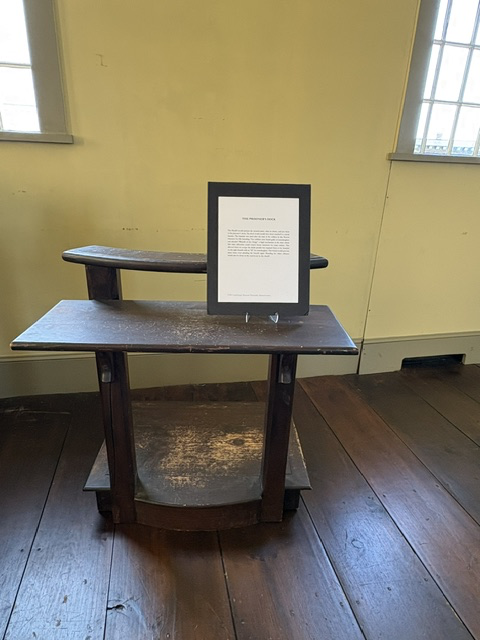
According to the courthouse exhibit, the sheriff would bring the accused into the courtroom, often in chains, and place the prisoner in the dock. The clerk would read the charges and the prisoner would enter a plea before the proceedings continued. From this confined space, the accused would listen as witnesses testified and the case against them was presented.
The records associated with this courthouse include offenses that give us an interesting glimpse into both crime and social expectations in colonial Plymouth. People could appear before the court for theft, assault, drunkenness, and other familiar crimes, but also for behavior that reflected the moral standards of the period. The exhibit notes cases involving fornication and even a woman charged with “Defamation of the Clergy”.
The physical design of the dock is particularly striking. Standing inside it would immediately set the accused apart from everyone else in the courtroom. The raised sides restricted movement while leaving the prisoner completely visible to the court and spectators. Before a verdict had even been reached, everyone in the room knew exactly who was on trial.
Read More From Nancy
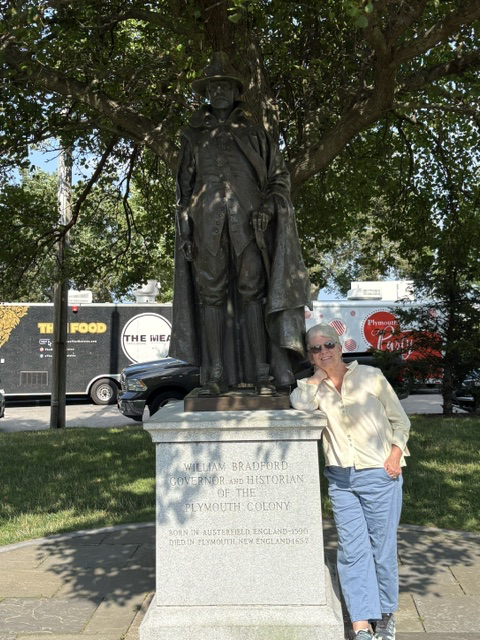
William Bradford Statue
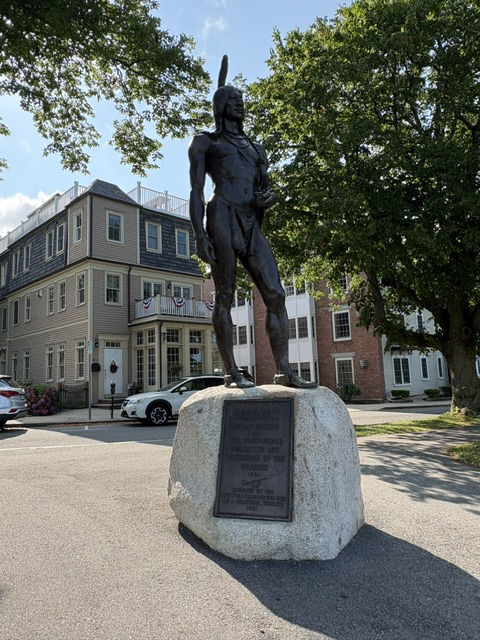
Standing near Plymouth Harbor is this imposing statue of William Bradford, one of the most important figures in the story of Plymouth Colony. Bradford crossed the Atlantic aboard the Mayflower in 1620 and, after the death of Governor John Carver the following spring, was elected governor of Plymouth Colony. He would serve in that position […]
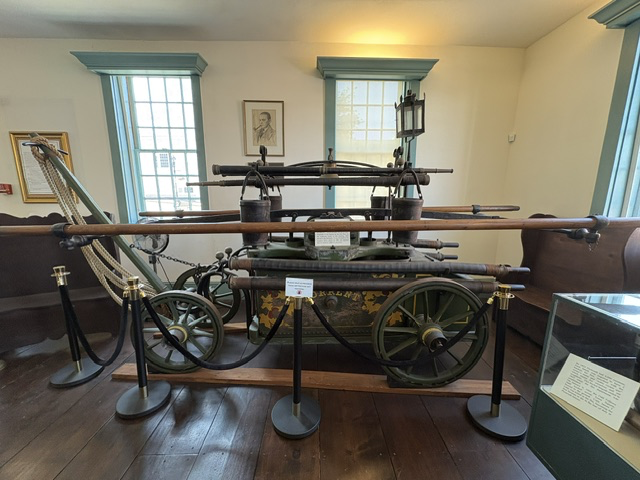
Torrent No. 4
Inside Plymouth’s historic courthouse, we found another remarkable piece of the town’s everyday history: Torrent No. 4, a hand-drawn suction fire engine built in Boston by Stephen Thayer in 1828. Long before motorized fire trucks and modern hydrants, equipment like this represented some of the best technology available to a community trying to protect its […]
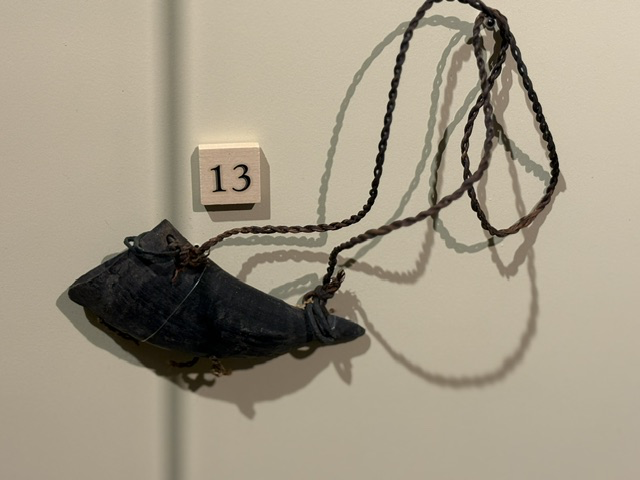
A Grease Horn
Among all the objects that survive from Plymouth’s earliest years, some of the most interesting are not the rare or elaborate possessions, but the simple tools people used in their daily lives. This small grease horn dates from approximately 1635–1665 and is identified as coming from Plymouth. A grease horn was a practical container, usually […]

