A Hidden Courtyard
While exploring Berlin on a Jewish history tour, we walked into what appeared to be an ordinary courtyard tucked behind the busy streets of the city. Today it is filled with cafés, shops, and visitors, making it difficult to imagine that this quiet space once became the setting for acts of extraordinary courage during the Holocaust.
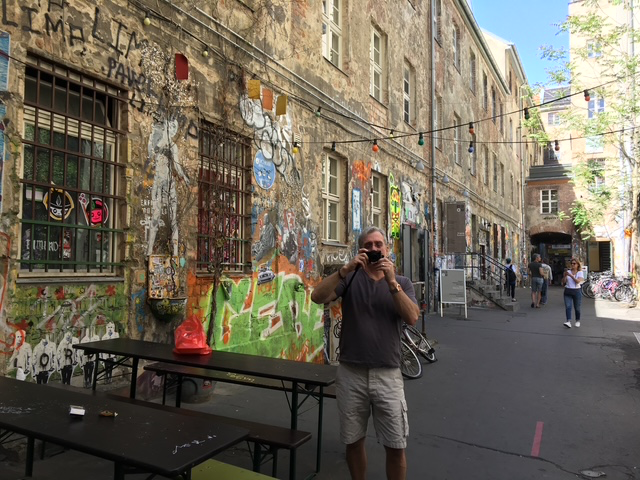
The courtyard is part of the Hackesche Höfe, a series of interconnected courtyards built in the early twentieth century. These complexes were designed to combine apartments, businesses, workshops, and small industries within a single block. Behind the elegant street façades, craftsmen, merchants, and factory workers carried on their daily lives in spaces much like this one.
During World War II, one of those workshops belonged to Otto Weidt, a brush maker who employed blind and deaf Jewish workers. From these modest rooms, Weidt did far more than manufacture brushes and brooms. He used his business as a means of protecting his employees, delaying deportations, bribing officials, obtaining forged documents, and, when necessary, hiding people from Nazi authorities.
Nothing about this courtyard suggests the danger it once concealed. Visitors pass through it every day, often unaware that behind these walls people risked their lives to save others. It is a reminder that some of history’s most courageous acts took place not in famous public buildings or on battlefields, but in ordinary workplaces hidden from public view.
Today, the courtyard remains part of Berlin’s vibrant urban life, while the Museum Blindenwerkstatt Otto Weidt preserves the story of the remarkable man who worked here and the lives he fought to save. Standing in this quiet space offers a powerful reminder that history is often hidden in the places we least expect to find it.
Read More From Nancy
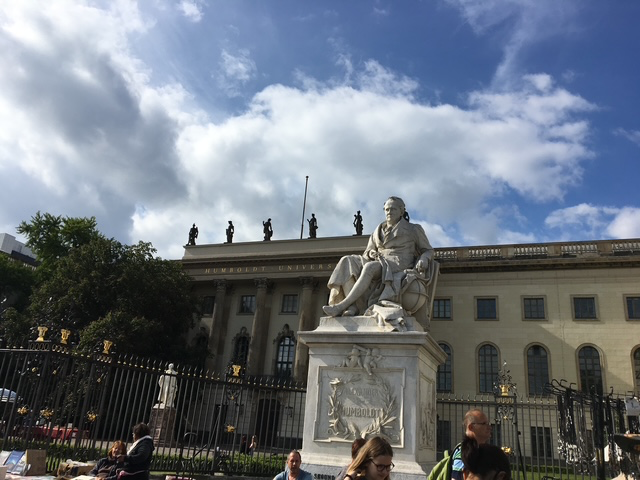
Alexander von Humboldt
While walking along Unter den Linden in Berlin, we came across this imposing statue in front of Humboldt University. It honors Alexander von Humboldt, one of the great scientists, explorers and thinkers of the 19th century. His name was familiar to me, but seeing his monument in front of the university that bears the Humboldt […]
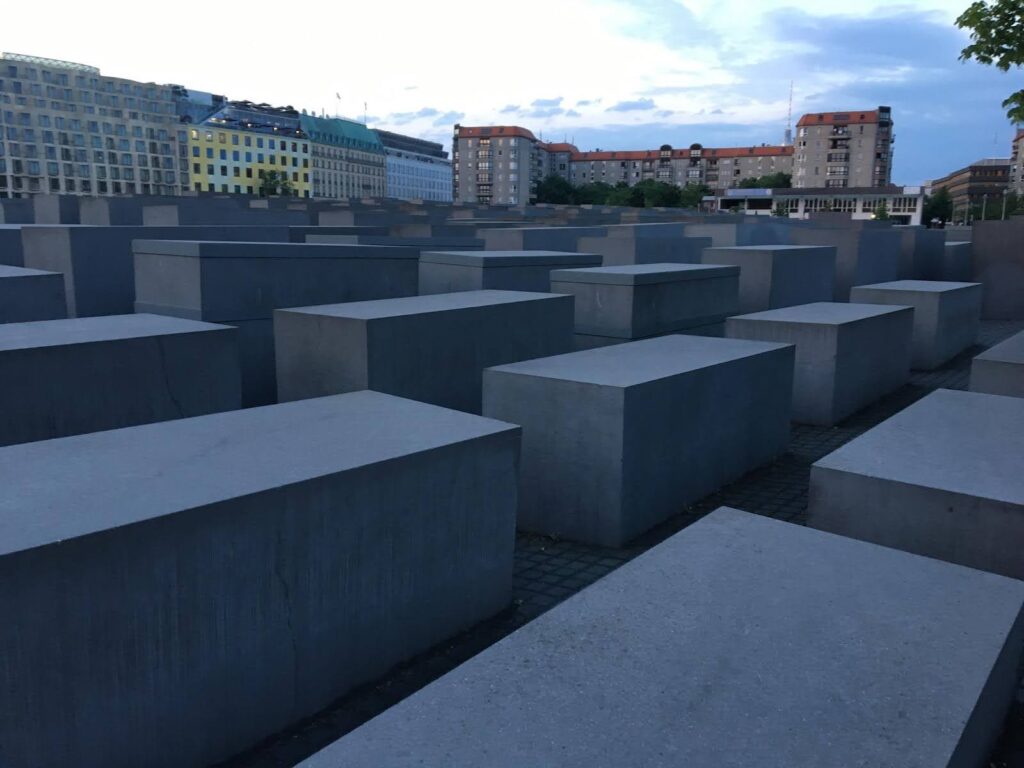
Holocaust Memorial
There are places that we visit, and then there are places we enter. This memorial in Berlin is one of those places. From a distance, the Memorial to the Murdered Jews of Europe, appears like a vast field of concrete blocks stretching across the city near the Brandenburg Gate. But as we walk into it, the […]
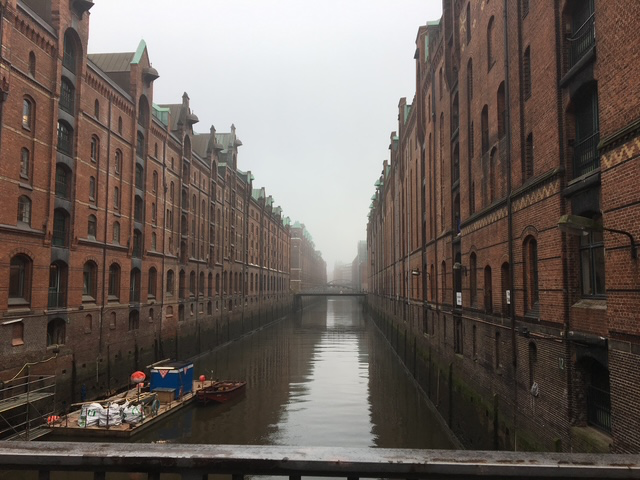
The Speicherstadt
When I first stood on this bridge, my eyes were drawn down the long, quiet canal framed by rows of towering brick buildings. The water was perfectly still, reflecting the warehouses that seemed to stretch endlessly into the distance. Even on a misty day, there was something captivating about the scene. It felt less like […]

