Still River Baptist Church
One of the things I appreciate about traveling through New England is discovering historic buildings that have continued to serve their communities in new ways.
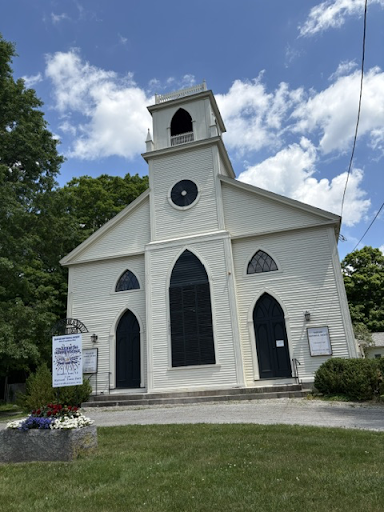
The Still River Baptist Church was built in 1832 to serve a congregation whose roots date to 1776. Organized just days before the signing of the Declaration of Independence, the Still River Baptist Society was among the earliest Baptist congregations in the region. At a time when Massachusetts was still largely shaped by the established Congregational Church, Baptist congregations represented the growing desire for religious freedom and the right to worship according to one’s own beliefs.
For more than 130 years, this church was the center of religious life for the Still River community. As the congregation declined during the twentieth century, the final worship service was held in 1964. Rather than allowing the building to be lost, the Harvard Historical Society acquired it two years later and transformed it into a museum dedicated to preserving the history of Harvard.
One of the building’s most remarkable treasures remains in its original location. The sanctuary is home to an 1870 George Stevens pipe organ, one of only a handful of surviving instruments built by this noted Massachusetts organ maker. It is recognized as the largest surviving single-manual George Stevens organ and continues to be carefully preserved as part of the building’s history.
I enjoy places like this because they tell more than one story. They remind us of the generations who gathered here for worship while also demonstrating how communities can preserve their heritage by giving historic buildings a new purpose.
Read More
Read More From Nancy
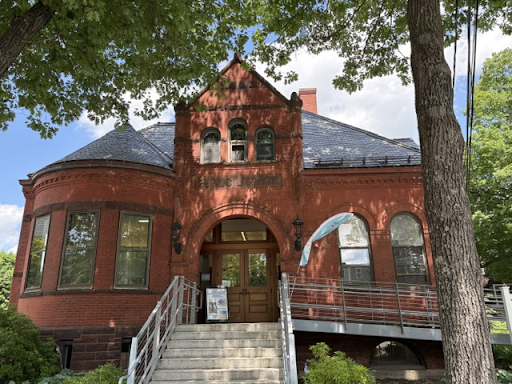
Old Library
Some buildings never really stop serving their community. Their purpose may change, but their importance remains. Harvard’s Old Library was built in 1886 through a series of generous gifts from residents who believed their growing town deserved a permanent public library. Designed by Harvard native William Channing Whitney in the Romanesque Revival style, the building […]
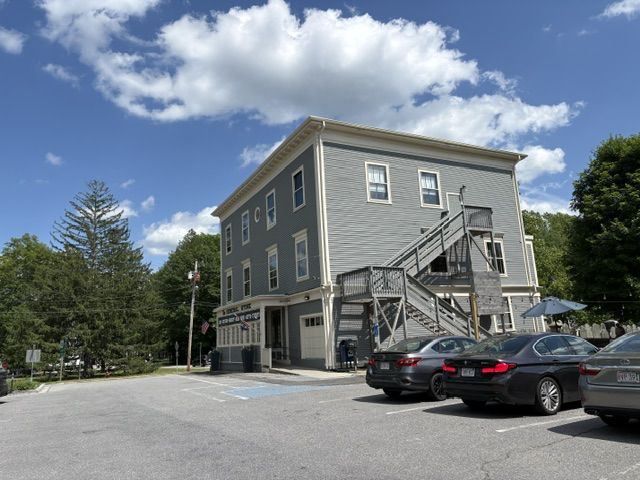
General Store
When Marty and I head out on a day trip to explore small New England towns, we look for a local place to have lunch. It gives us a chance to slow down, enjoy the community, and experience a place the way its residents do. While visiting Harvard, we found ourselves at the Harvard General […]
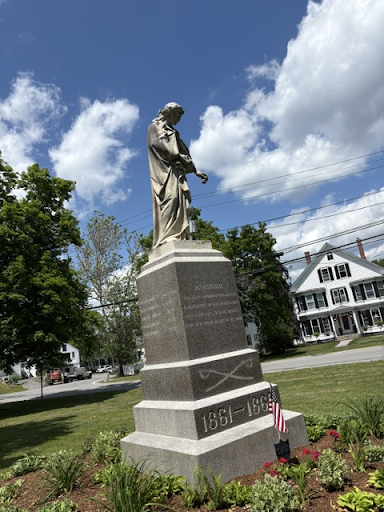
Civil War Monument
Almost every New England town has a Civil War monument, but each one tells the story of its own community. Unlike many Civil War memorials across New England, Harvard’s monument does not feature a soldier standing proudly at attention. Instead, the town chose something far less common: a graceful female figure standing in quiet reflection. […]

