General Store
When Marty and I head out on a day trip to explore small New England towns, we look for a local place to have lunch. It gives us a chance to slow down, enjoy the community, and experience a place the way its residents do. While visiting Harvard, we found ourselves at the Harvard General Store.
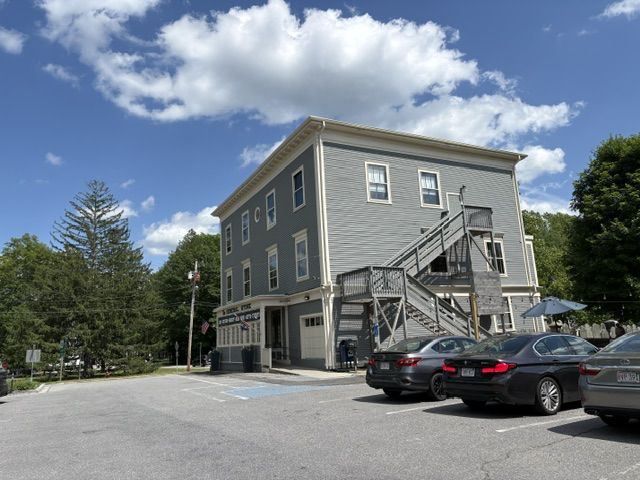
Standing at the edge of the common since 1842, the Harvard General Store has served generations of residents and visitors alike. Long before supermarkets and convenience stores, the general store was the center of daily life. People came here not only to purchase groceries and household necessities, but also to exchange news, catch up with neighbors, and learn what was happening in town.
Stepping into an original nineteenth-century general store would have been very different from shopping today. Shelves were lined with barrels of flour, sugar, coffee, molasses, and crackers. Bins held nails, seeds, and animal feed, while bolts of fabric, sewing notions, lamp oil, rope, tools, boots, and kitchenware filled every available space. Candy was often sold from glass jars near the counter, and many items were measured and packaged by the shopkeeper as customers waited. For many rural families, the general store was the one place where almost everything needed for daily life could be found under a single roof.
Like many historic buildings, the store has changed over time. Additions have been made, businesses have come and gone, and the needs of the community have evolved. The essential purpose has remained remarkably consistent. Nearly two centuries after it first opened, people still gather here for coffee, breakfast, lunch, or a quick stop before heading on with their day.
The Harvard General Store is one of those places where history doesn’t feel distant. While enjoying lunch, it was easy to imagine the generations of residents who have come through these same doors over the past 180 years. Farmers, merchants, schoolchildren, travelers, and neighbors have all stopped here, making the store as much a part of Harvard’s history as its churches, monuments, and historic homes.
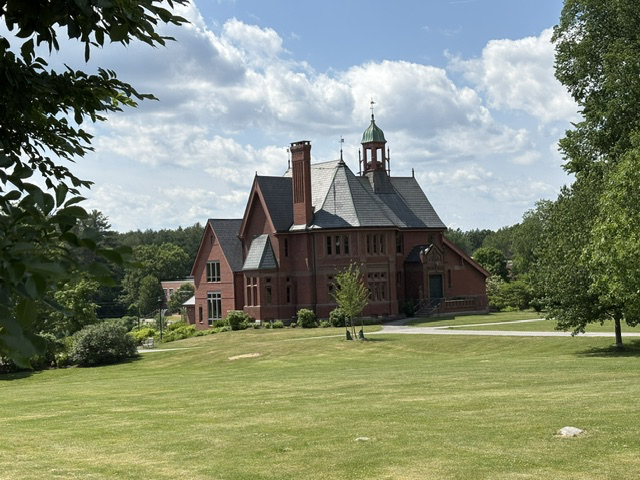
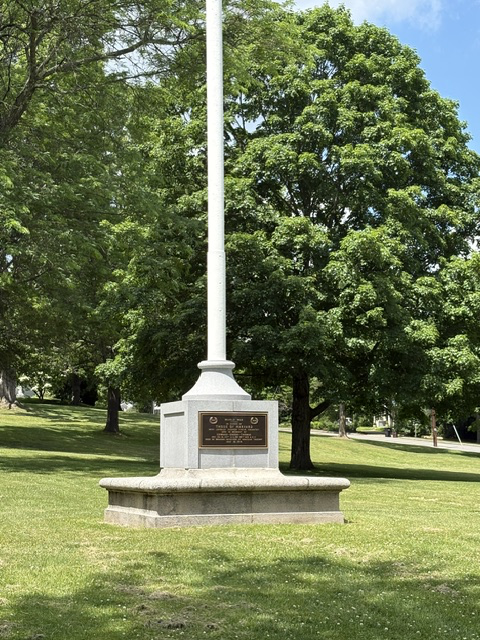
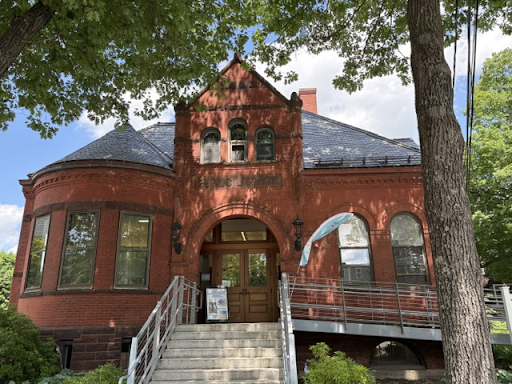
Read More From Nancy
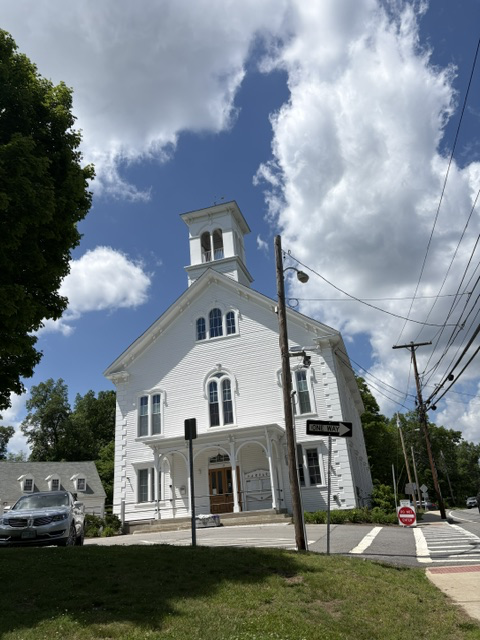
Unitarian Universalist Church
As I walked around Harvard Common, I was struck by how many times the town has chosen to rebuild rather than replace the places that matter most. The Harvard Unitarian Universalist Church is one of those places. The congregation traces its beginnings to 1733, just one year after Harvard was incorporated as a town. That […]
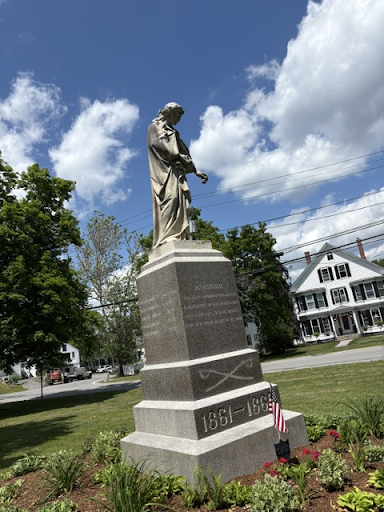
Civil War Monument
Almost every New England town has a Civil War monument, but each one tells the story of its own community. Unlike many Civil War memorials across New England, Harvard’s monument does not feature a soldier standing proudly at attention. Instead, the town chose something far less common: a graceful female figure standing in quiet reflection. […]
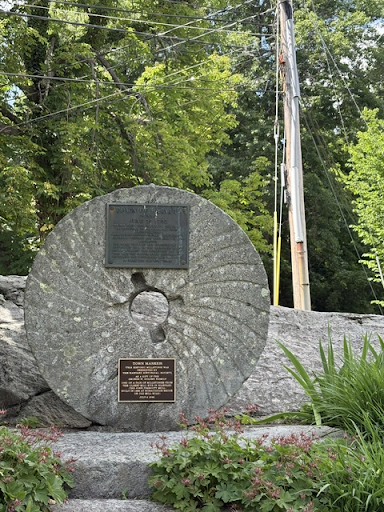
Town Marker
Not every monument tells its story with a statue. Sometimes an ordinary object from everyday life says even more about the people who built a community. Standing on Harvard’s town common is a large granite millstone that once turned inside John Prescott’s grist mill, one of the earliest mills in town. Built in 1668 on […]

