Fort Union National Monument
Standing among these towering chimneys, it takes a bit of imagination to picture what once stood here. Today, only the chimneys and fragments of stone walls remain, but this was once Officers’ Row at Fort Union, where some of the finest military quarters west of the Mississippi River stood.
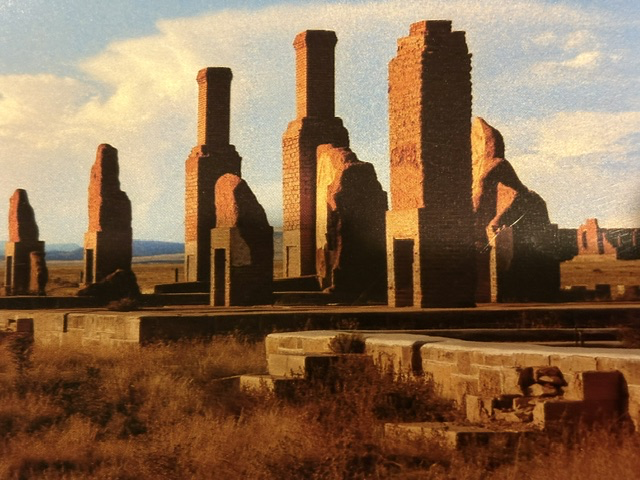
Completed in 1867, these elegant homes reflected Fort Union’s importance on the American frontier. Unlike many isolated western forts with simple log buildings, Fort Union served as the principal military supply depot for the Southwest. It protected travelers along the Santa Fe Trail, supported military campaigns throughout the region, and supplied dozens of smaller forts across New Mexico, Arizona, Colorado, and Texas. Because of its strategic role, the Army invested in substantial brick buildings that reflected both permanence and prestige.
The officers’ quarters were considered among the finest in the West. Their spacious rooms, decorative brickwork, and comfortable accommodations stood in sharp contrast to the rugged landscape that surrounded them. Here, military officers and their families attempted to create a sense of normal life while serving on what was then America’s frontier.
Time, weather, and abandonment have reduced these impressive homes to little more than their chimneys. Yet those chimneys remain powerful reminders of the community that once thrived here
Fort Union was established in 1851 to protect travelers on the Santa Fe Trail and played an important role during the Civil War by helping secure the Southwest for the Union. After the railroad replaced much of the traffic along the Santa Fe Trail, the fort’s military importance declined, and it was abandoned in 1891. Congress established Fort Union National Monument in 1954 to preserve the remains of this important frontier post so future generations could better understand its role in the settlement and defense of the American Southwest.
Read More From Nancy
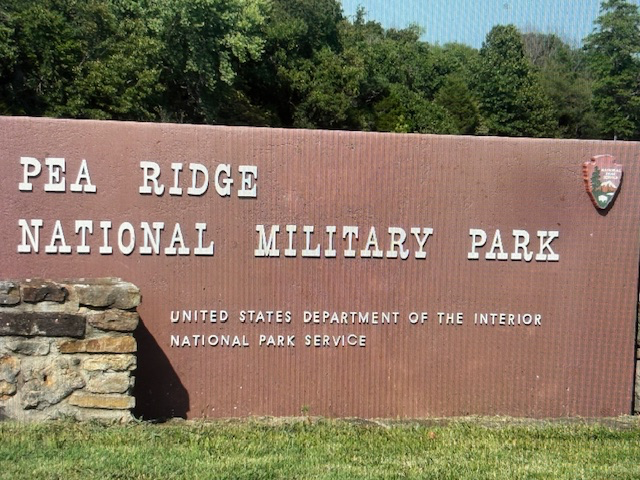
Pea Ridge National Military Park
Many of our National Historic Sites preserve the landscapes of America’s military past, especially Civil War battlefields. So many of these places are found in Pennsylvania, Virginia and the Carolinas, but Pea Ridge stands as one of the important Civil War sites in the West. Here a pivotal chapter of the conflict is found in the […]
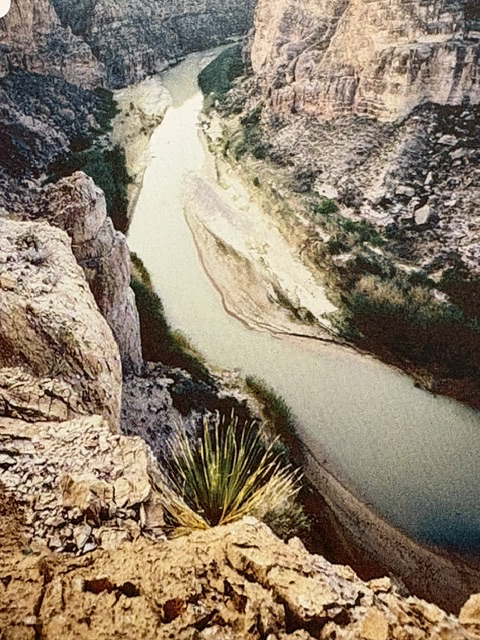
Big Bend National Park
Big Bend National Park in southwest Texas is one of the largest and most remote national parks in the United States. Established in 1944, the park protects more than 800,000 acres where the Chihuahuan Desert, the Chisos Mountains, and the Rio Grande come together to create one of America’s most diverse landscapes. Although Big Bend […]
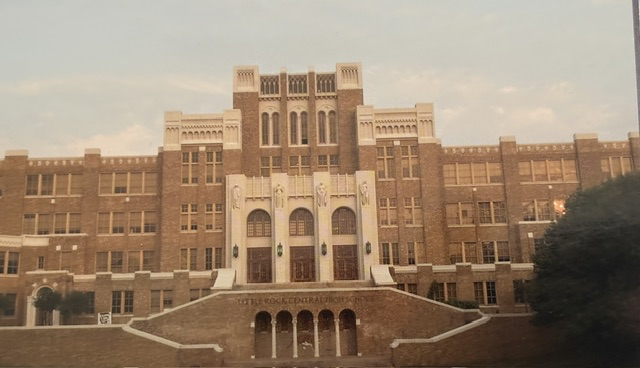
Little Rock Central High School National Historic Site
This is another one of those National Park Service sites that seems to have stopped in time. Standing across from Little Rock Central High School, it is remarkably easy to picture the events of 1957 unfolding in front of the same imposing building. What makes the experience even more unusual is that Central High is […]

