Stonehurst: The Robert Treat Paine Estate
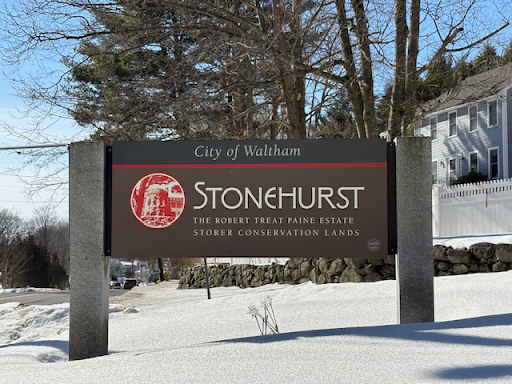
Tucked away in Waltham, Massachusetts, Stonehurst is one of the region’s architectural treasures. The estate was created between 1883 and 1888 for Robert Treat Paine Jr., a prominent Boston lawyer and philanthropist whose father had helped found the Museum of Fine Arts, Boston. Paine envisioned the property not simply as a house, but as a country retreat that blended harmoniously with the surrounding landscape.
To bring that vision to life, Paine commissioned two of America’s leading designers. The house itself was designed by architect Henry Hobson Richardson, while the grounds were planned by Frederick Law Olmsted, the landscape architect best known for New York’s Central Park and Boston’s Emerald Necklace. Their collaboration produced one of the finest surviving examples of a house and landscape conceived as a unified whole.
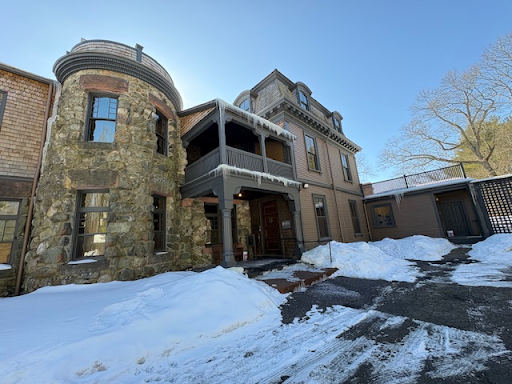
Built of stone, wood, and native materials, Stonehurst reflects the Richardsonian Romanesque style while embracing the ideals of the emerging Arts and Crafts movement. The home was remarkably modern for its time, incorporating advanced heating, plumbing, and electrical systems, while large windows and broad porches connected the interior to the natural beauty of the surrounding hills and forests.
One of the more poignant stories associated with Stonehurst is that architect Henry Hobson Richardson never lived to see the completed estate. Suffering from the kidney disease that would claim his life, he devoted some of his final years to the design of Stonehurst and died in 1886, two years before construction was completed. As a result, the estate stands as one of the last and most personal expressions of his architectural genius. Historians regard Stonehurst as one of the finest collaborations between Richardson and Olmsted and one of the best-preserved examples of their shared vision.
After remaining in the Paine family for nearly a century, the property faced an uncertain future. Fortunately, the City of Waltham and preservationists worked together to save the house and its surrounding acreage from development. Today, more than one hundred acres of woods, meadows, and walking trails are protected as public conservation land.
Walking the grounds, it is easy to appreciate what Paine, Richardson, and Olmsted hoped to create. More than a century after its construction, the estate remains a testament to thoughtful design and to the wisdom of those who recognized that some places are worth preserving for future generations.
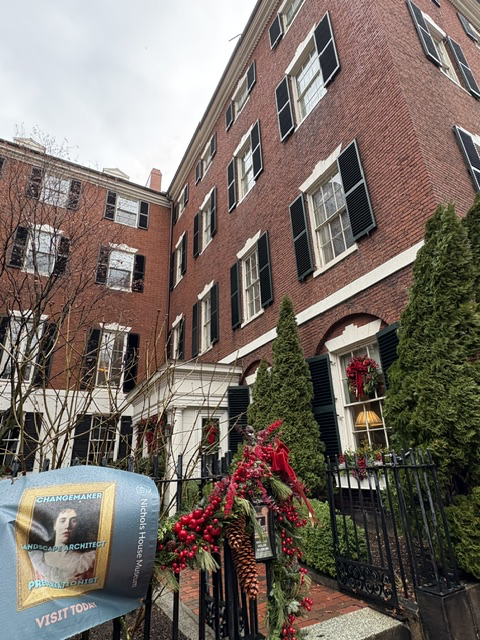
Read More From Nancy
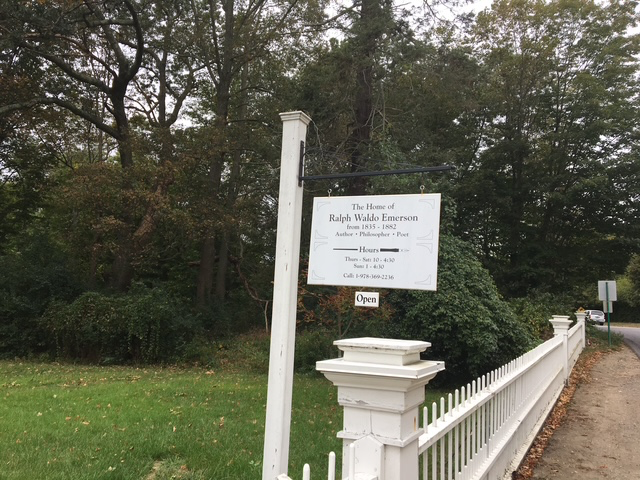
Ralph Waldo Emerson’s House
When you step inside Ralph Waldo Emerson’s house in Concord, MA, you can feel the presence of a man whose ideas helped shape American thought. One of the objects in the entry hall of his home is his walking cane. This is the same cane he carried on his daily walks that inspired so many of […]
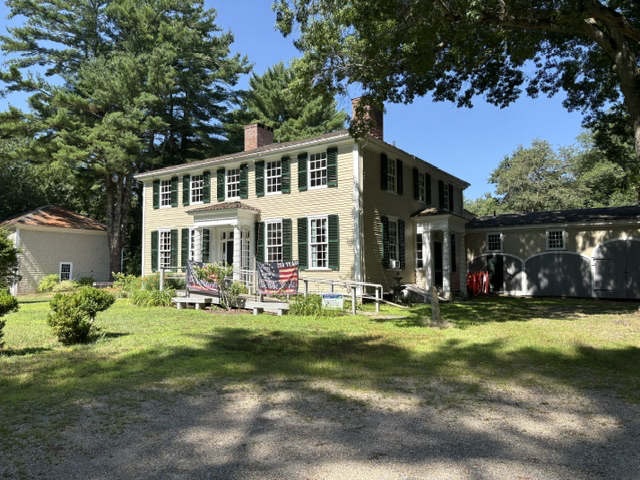
The Oliver Estate
On my way home from our camping trip to Plymouth, I made a side trip to Middleborough specifically to visit the Oliver Estate. I had learned that this was the home of one of Massachusetts’s prominent Loyalist families, and I wanted to understand more about the people who chose to remain loyal to the Crown […]
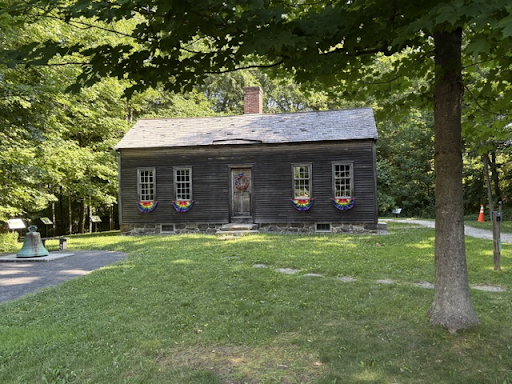
The Robbins House
When most people visit Concord, Massachusetts, they come to walk across the Old North Bridge, stand where the American Revolution began, and visit the homes of Emerson, Thoreau, Hawthorne, and Alcott. I have made that journey many times over the years and thought I knew Concord’s history well. On one of my more recent visits, […]

