The Oliver Estate
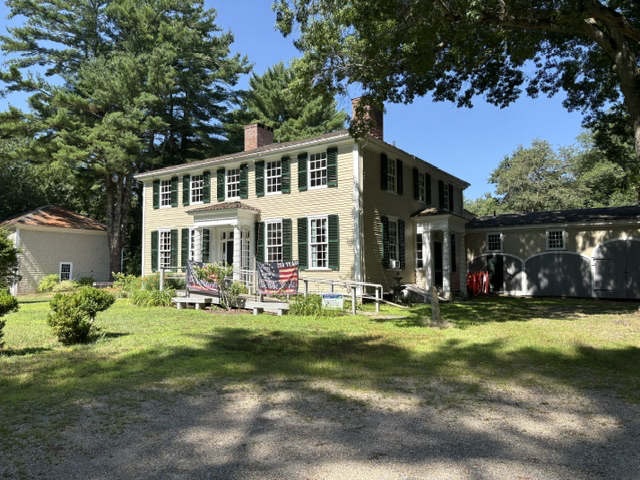
On my way home from our camping trip to Plymouth, I made a side trip to Middleborough specifically to visit the Oliver Estate. I had learned that this was the home of one of Massachusetts’s prominent Loyalist families, and I wanted to understand more about the people who chose to remain loyal to the Crown during the American Revolution.
I have never been one to assume that, had I lived in 1775, I would automatically have known which side to choose. Looking back nearly 250 years later, we know how the Revolution ended. The people living through it did not. For them, choosing between Patriot and Loyalist was a decision involving family, livelihood, property, political beliefs, personal relationships, and an uncertain future. There could be enormous consequences whichever choice they made.
The Oliver family is a remarkable example.
Peter Oliver was a wealthy merchant, industrialist, and eventually chief justice of the Superior Court of Massachusetts. He came to Middleborough in the 1740s and acquired extensive property around the Nemasket River. There he developed ironworks that included a forge, slitting mill, and furnace. His business interests and government positions made the Olivers one of the region’s wealthy and influential families.
The house I came to see was built for his son, Dr. Peter Oliver Jr. Town records generally date it to 1769, although some accounts place its construction slightly earlier. The elegant Georgian house stood within a substantial estate along the Nemasket River. Governor Thomas Hutchinson reportedly described the setting as “one of the loveliest spots” in the colony.
The Oliver family moved among the most influential people in colonial Massachusetts. Peter Jr. married Sarah Hutchinson, daughter of Governor Thomas Hutchinson, further connecting two of Massachusetts’s most prominent Loyalist families. Benjamin Franklin was entertained here during a three-day visit to Middleborough in 1773.
But the political world surrounding the Olivers was changing rapidly.
As tensions with Britain intensified, Peter Oliver remained firmly loyal to the Crown. One of the central controversies involved his position as chief justice. When his salary began to be paid by the Crown rather than by the Massachusetts legislature, Patriots saw this as a threat to judicial independence. The Massachusetts House sought his removal, and Oliver became a highly visible symbol of the government the revolutionary movement was opposing.
When revolution came, the family’s wealth and position could no longer protect them.
The Olivers left Massachusetts and eventually went to England. Their property was seized by the new government, inventoried, and sold. Peter Oliver’s own mansion, known as Oliver Hall, was later destroyed by fire in 1778. The house built for his son, the one I had come to see, survived.
We often tell the Revolution through the Patriots who risked everything for independence. Their courage deserves to be remembered. But there were also families who believed that remaining loyal to Britain was the proper course. When the Patriots won, many of those Loyalists lost homes, businesses, property, communities, and sometimes relationships with people they had known all their lives.
The Olivers had enjoyed wealth, political influence, and one of the finest estates in the area. Their allegiance to the Crown ultimately cost them much of what they had built.
Today the surviving Oliver House belongs to the Town of Middleborough and is preserved on approximately 50 acres along the Nemasket River
Visiting the Oliver Estate reminded me that history becomes much more interesting when we resist the temptation to make everyone simply a hero or a villain. The people living through the Revolution did not know its ending. They had to choose a side and then live with the consequences.
For the Oliver family, that choice changed almost everything.
Read More From Nancy
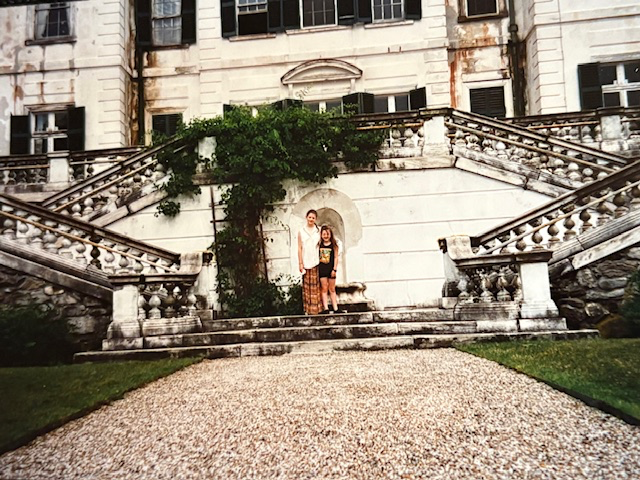
Edith Wharton’s Mount
Exploration through road trips was a big part of homeschooling in our household. Each spring, when historic homes reopened for the season, off we would go, ready to step into another life and another era. One such stop was Edith Wharton’s home in Lenox, Massachusetts, a place we returned to more than once, always drawn back […]
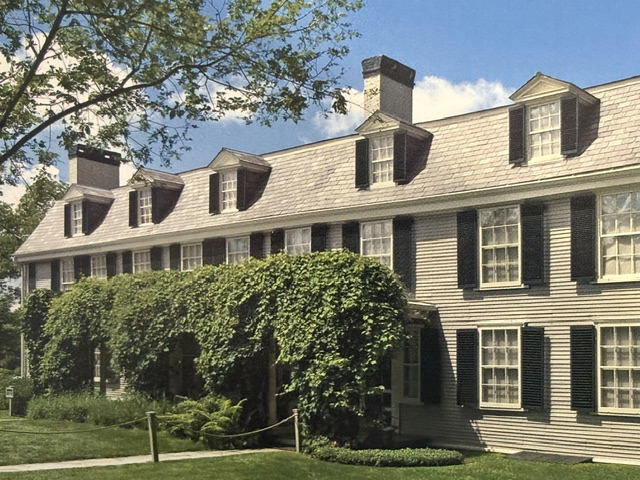
Peace Field
There are some historic homes that you visit once, and there are others that continue to draw you back. For me, the Adams National Historical Park in Quincy is one of those places. Living in Massachusetts, we have had the opportunity to visit many times, and each visit reveals something new about one of America’s […]
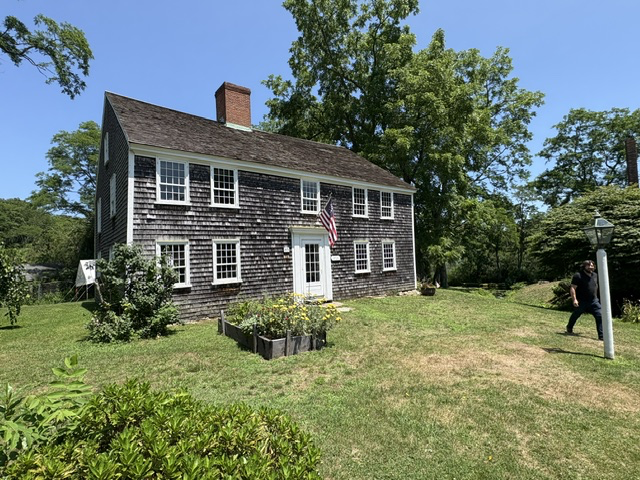
The Benjamin Nye Homestead
While exploring East Sandwich, I stopped at the Benjamin Nye Homestead. From the outside it looks like the kind of weathered, shingled house that seems completely at home on Cape Cod. What I didn’t initially appreciate was just how old it is. The earliest portion of this house was built in 1678, making it one […]

