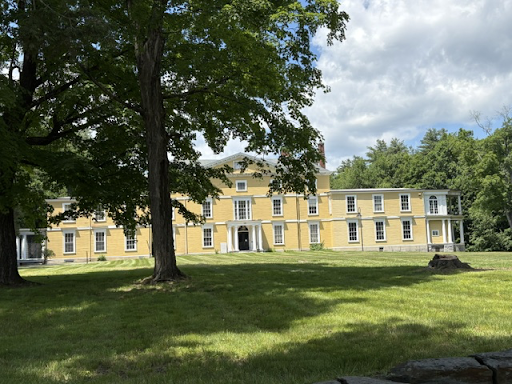
Ralph Waldo Emerson’s House
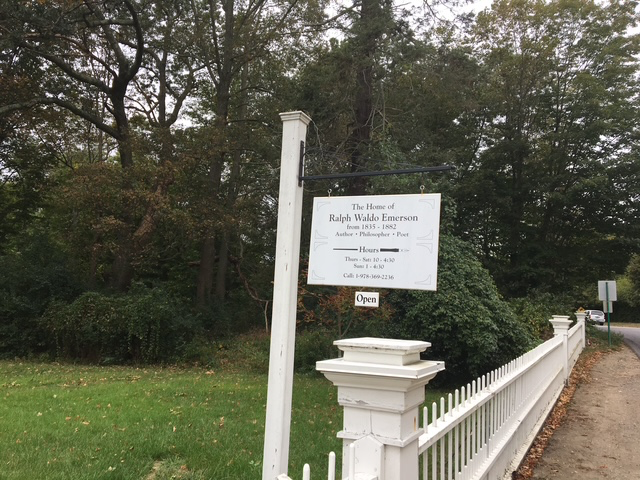
When you step inside Ralph Waldo Emerson’s house in Concord, MA, you can feel the presence of a man whose ideas helped shape American thought. One of the objects in the entry hall of his home is his walking cane. This is the same cane he carried on his daily walks that inspired so many of his essays.
Emerson’s walks were essential to him. He believed movement cleared the mind and opened the soul: “the health of the eye seems to demand a horizon.” His walks would have included Walden Pond and the homes of his friends like Thoreau, Alcott and Hawthorne.
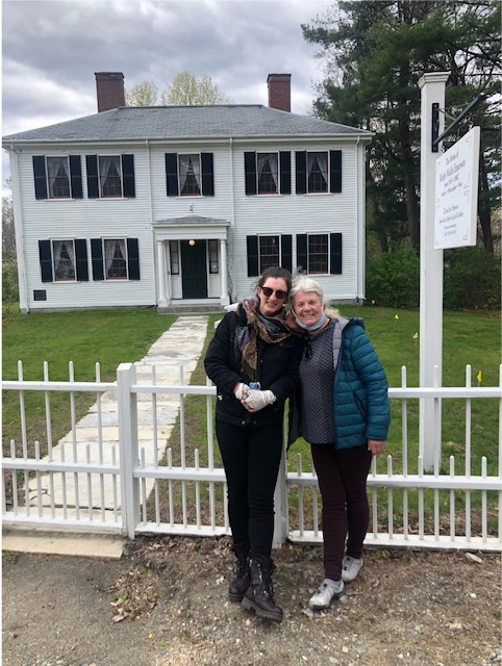
In July of 1872, while Emerson was away giving lectures, his home caught fire. The blaze spread quickly and by the time the flames were extinguished, the interior was destroyed. Emerson returned to find his home in ruins.
There was no insurance or safety nets in those days.
The people of Concord, along with admirers from beyond Massachusetts, organized a national effort to help the Emersons rebuild. Donations arrived from all corners who felt indebted to his words. A town and a nation responded to the man who had taught them about self-reliance, the inner life and the dignity of human thought.
Emerson was one of the most popular public figures in America. His lectures drew enormous crowds; newspapers quoted him and young people traveled long distances to hear him speak.
Around the dining room table, some of the most remarkable gatherings took place. Henry David Thoreau, who lived with the Emersons for two years, was the most frequent guest. Bronson Alcott, the visionary educator, and the brilliant Margaret Fuller and Nathaniel Hawthorne, all sat around Emerson’s dining room table.
Visitors came from beyond Concord too to sit in the presence of the man who became known as the “Sage of Concord”
Read More From Nancy
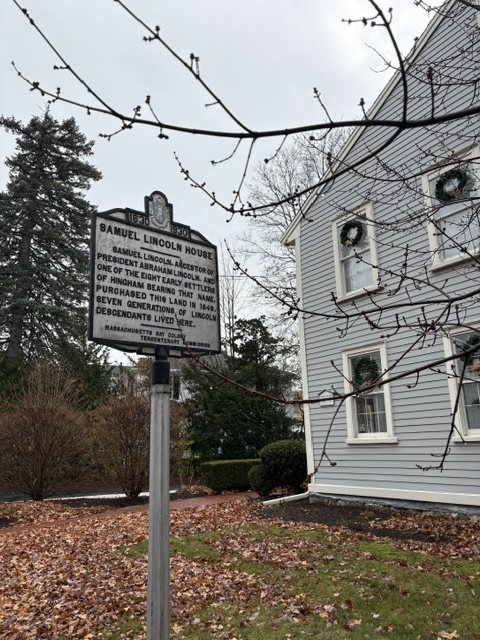
The Samuel Lincoln House
This house on North Street in Hingham marks the beginning of President Abraham Lincoln’s family story in America. The historical marker beside it identifies the property purchased in 1649 by Samuel Lincoln, the president’s fourth great-grandfather. Samuel Lincoln was born in England in 1622 and came to Massachusetts while still a teenager. Known as “Samuel […]
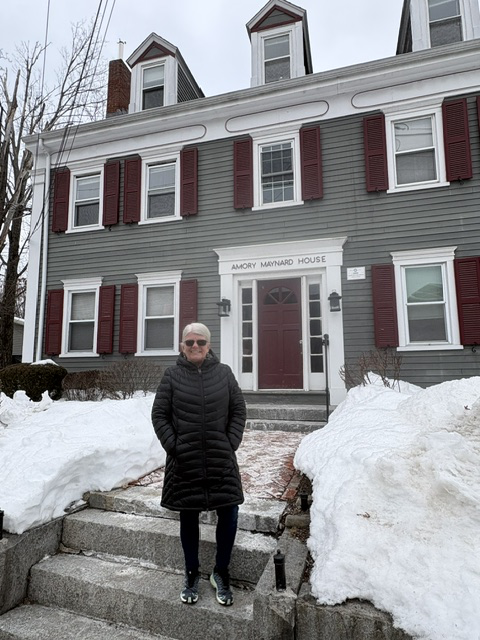
The Amory Maynard House
Standing on Main Street, the Amory Maynard House is one of the most important surviving homes in Maynard. Built around 1845, it was the first residence of Amory Maynard after he and William Knight established the Assabet Woolen Mill. Long before the town bore his name, this house became the center of both his family […]
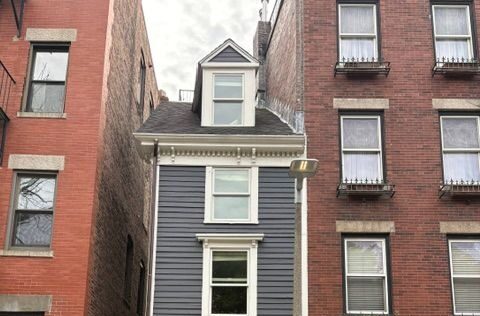
The Skinny House
Across from Copp’s Hill Burying Ground, a remarkably narrow wooden house stands among the larger brick buildings of Boston’s North End. At 44 Hull Street, the Skinny House rises four stories while measuring only about ten feet across its street-facing exterior. Its entrance is tucked into the alley beside it, allowing the slender front to […]

