Dorothy Quincy Homestead
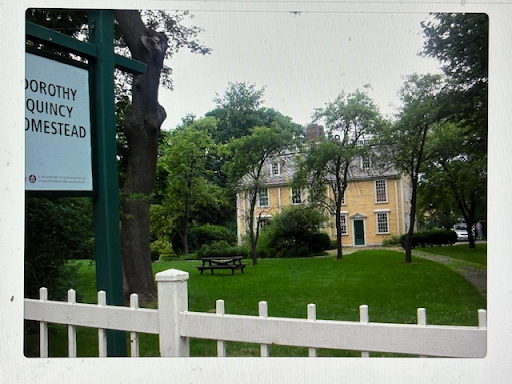
Visiting the Dorothy Quincy Homestead in Quincy, Massachusetts was another chance to step back into the life of one of colonial America’s most prominent families. This landmark dates back to 1686, when it was built by Edmund Quincy on land settled by the family in the 1630s.
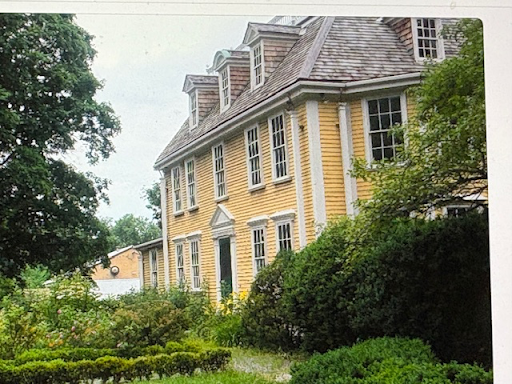
The homestead was the childhood home of Dorothy Quincy Hancock Scott, later the wife of John Hancock, president of the Second Continental Congress and the first signer of the Declaration of Independence.
The homestead’s architecture reflects the evolution of American design over three centuries from its colonial beginnings through Georgian details. Inside there are original furnishings and decorative arts.
The house was not just a family residence but a gathering place for influential patriots, including figures such as John Adams and other leaders of the Revolution. This homestead is where the personal and national stories of early America intersect and we see the connection for a revolution, a family legacy and the shaping of a new nation.

Read More From Nancy
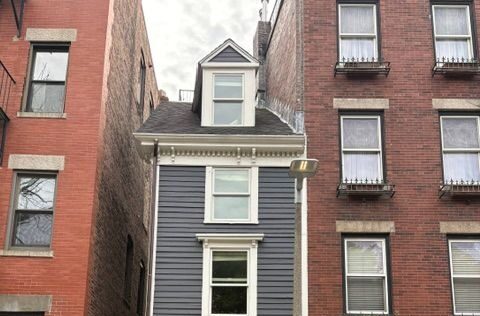
The Skinny House
Across from Copp’s Hill Burying Ground, a remarkably narrow wooden house stands among the larger brick buildings of Boston’s North End. At 44 Hull Street, the Skinny House rises four stories while measuring only about ten feet across its street-facing exterior. Its entrance is tucked into the alley beside it, allowing the slender front to […]
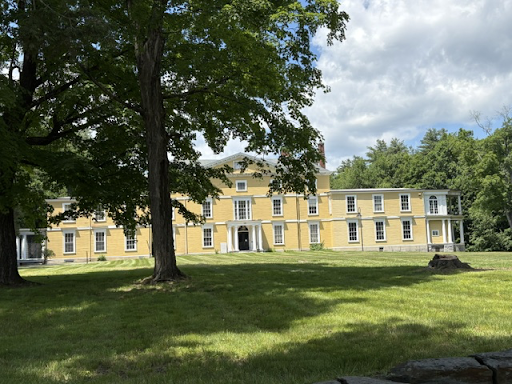
Nathaniel Thayer Estate
Driving through South Lancaster, I was surprised to come upon one of the grandest estates in central Massachusetts: the Nathaniel Thayer Estate, later known as Thayer Hall. Set amid expansive lawns and towering trees, the stately yellow mansion immediately conveyed the elegance and prosperity of nineteenth-century New England. Although many visitors associate South Lancaster with […]
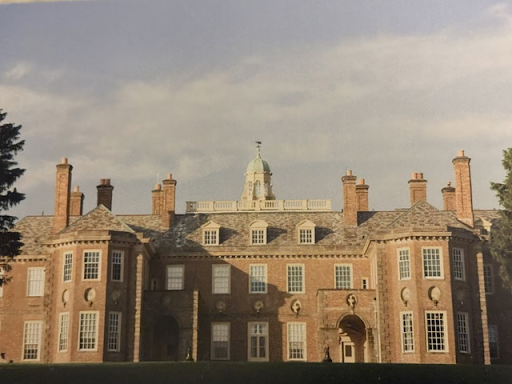
Castle Hill
Perched high above the salt marshes and Atlantic coastline of Ipswich, Massachusetts, Castle Hill on the Crane Estate is one of the great surviving country estates of New England. The massive brick mansion and endless coastal views create a setting that feels both grand and connected to the natural beauty surrounding it. Built in 1918 for […]

