Christiansted National Historic Site
One of the highlights of our visit to St. Croix was exploring Christiansted National Historic Site. Standing atop the walls of Fort Christiansted, overlooking the harbor and surrounded by the distinctive yellow buildings of the Old Danish colonial town, it was easy to imagine the importance this port once held in the Caribbean.
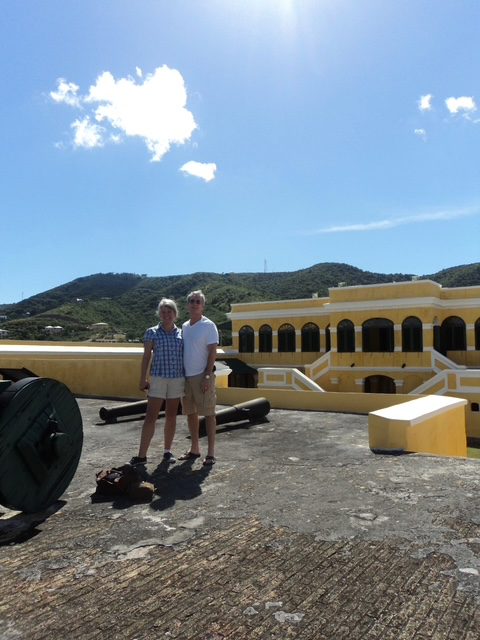
Christiansted National Historic Site preserves the heart of the historic waterfront district of Christiansted, a town established by Denmark in the eighteenth century when St. Croix was part of the Danish West Indies.
Completed in 1749, Fort Christiansted was constructed to protect the harbor, safeguard trade routes and defend the island from rival European powers. Built from locally produced yellow ballast brick, the fort remains one of the best-preserved Danish colonial fortifications in the Western Hemisphere. From these walls, soldiers watched over ships arriving from Europe, Africa and the Americas.

Like much of the Caribbean during this period, the prosperity of St. Croix was tied to the sugar industry and the labor of enslaved Africans. The wealth generated by sugar plantations made Christiansted one of the most important trading centers in the Danish West Indies.
One of the significant events in the island’s history occurred in 1848 when Governor-General Peter von Scholten proclaimed the emancipation of enslaved people in the Danish West Indies following a large uprising on the western side of St. Croix. That declaration ended slavery throughout the Danish colonies.
Recognizing the importance of preserving the collection of these colonial-era buildings, Christiansted National Historic Site was established in 1952. The National Park Service preserves one of the finest surviving examples of Danish colonial architecture in the Americas.
Read More From Nancy
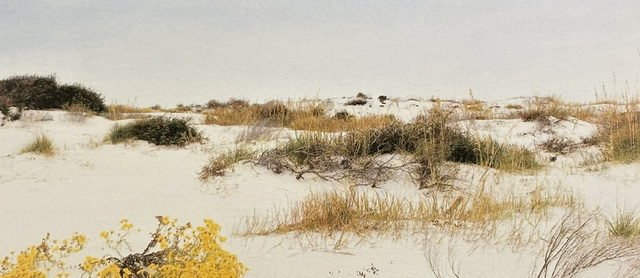
Gulf Islands National Seashore
Gulf Islands National Seashore protects a remarkable coastal landscape extending approximately 160 miles from Cat Island in Mississippi to the eastern end of Santa Rosa Island in Florida. More than 80 percent of the national seashore lies underwater, preserving bays, sounds, and marine habitats as well as the visible shoreline. Its most prominent features are […]
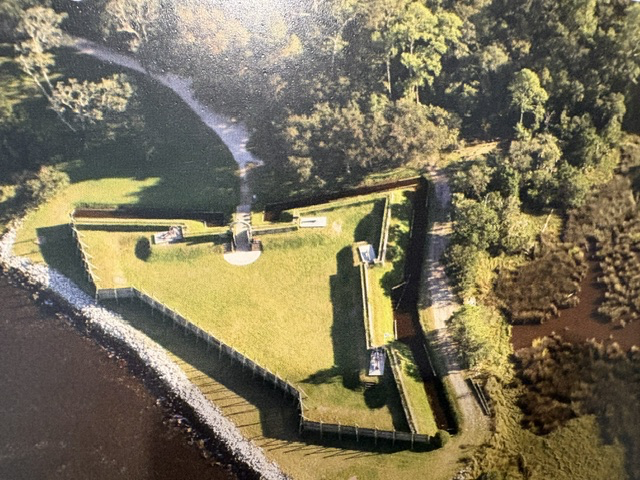
Fort Caroline National Memorial
Fort Caroline National Memorial preserves the story of France’s attempt to establish a permanent colony in Florida during the 16th century. In 1564, an expedition led by René Goulaine de Laudonnière constructed a triangular fort near the St. Johns River. The settlement was named La Caroline in honor of France’s King Charles IX. Many of […]
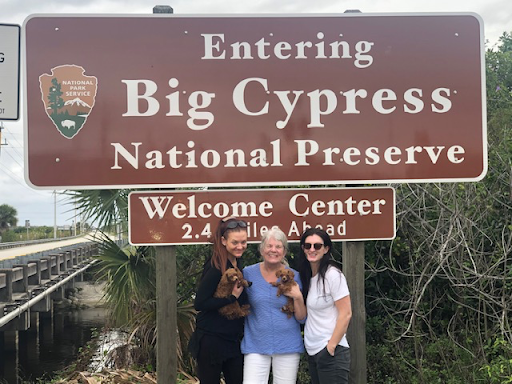
Big Cypress National Preserve
Big Cypress is not exactly a national park, but a national preserve. A national preserve allows certain traditional uses to continue while still protecting the land. When Congress established Big Cypress in 1974, it became one of the very first two national preserves in the country, Big Cypress protects nearly 729,000 acres of land, making […]

