Macy-Colby House
Standing quietly along the road in Amesbury is the Macy – Colby House, one of the town’s oldest surviving homes and a reminder of the deep colonial roots woven into this New England landscape. Built in 1654 by Thomas Macy, one of the original founders of Amesbury, the house connects directly to the earliest settlement period of the region. Macy was an important figure in local history, helping establish the community during a time when frontier life in Massachusetts was still uncertain and difficult.
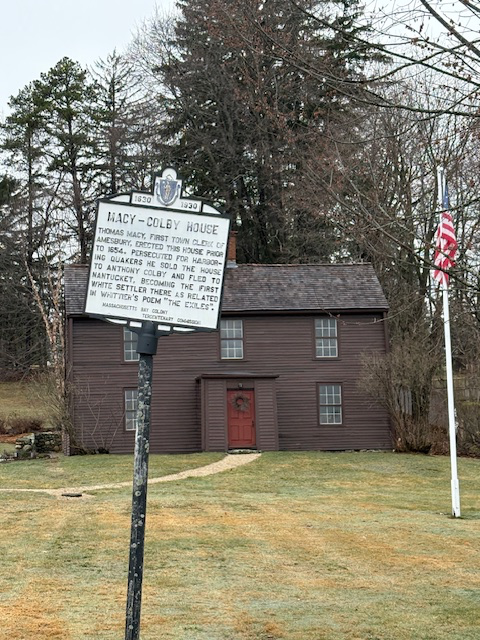
In 1660, Thomas Macy sold the property to Anthony Colby and fled to Nantucket. Macy had been accused of sheltering Quakers, whose religious beliefs were being harshly persecuted in Massachusetts Bay Colony. Rather than face punishment, he left the area and became one of the early settlers of Nantucket, where greater religious tolerance existed. That single decision ties this quiet Amesbury home to a much larger story about religious freedom in early America.
The house later became associated with poet John Greenleaf Whitier, who referenced it in his poem “The Exiles”. Whittier often drew inspiration from the people, landscaped and moral struggles of New England history, especially the Quaker experience. Through his writing, the house became more than an old structure. It became part of the literary memory of the region.
This structure witnessed the earliest years of Massachusetts settlement, religious conflict, migration and the shaping of communities that still exist today. In a town filled with layers of history, the Mary Colby House quietly reminds visitors how deeply the past still lives within the landscape of Amesbury.
Read More From Nancy
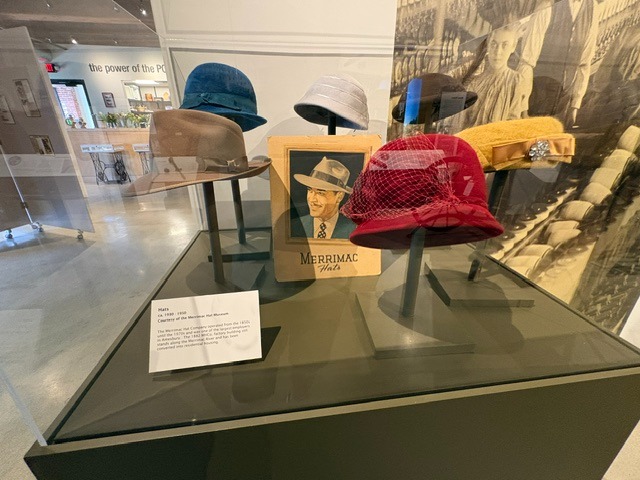
Merrimac Hats
The hats preserved at Amesbury’s Industrial History Center represent an industry that connected local factory workers with customers across the country. Dating from approximately 1930 to 1950, the display includes both men’s and women’s styles. Their varied shapes, colors and decorative details reveal the range of products associated with the Merrimac name. Established in 1856, […]
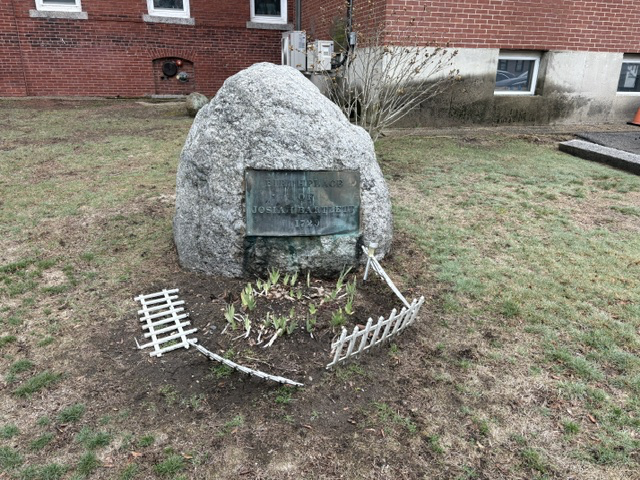
Birthplace of Josiah Bartlett
In the center of Amesbury is the large statue of Josiah Bartlett, and even though he went on to live in other towns and states, this town has the distinction of being the place of his birth. Though his birth house is no longer here, there is this small stone memorial that grounds him to this […]
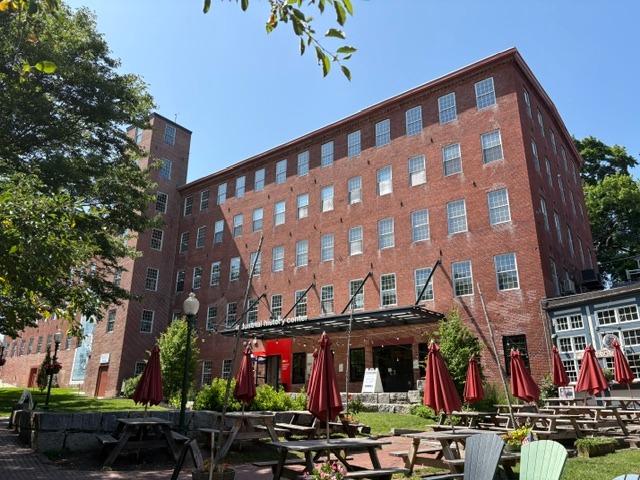
Mill 2
Mill 2 in Amesbury’s Upper Millyard preserves nearly two centuries of changing industry. Begun in 1825 and completed in 1827, the substantial brick building first housed textile manufacturing. Later occupants produced automobile bodies, sold hardware and interpreted the community’s industrial history. Its successive uses trace the changing work of a New England manufacturing town. The […]

