Longfellow/Washington Headquarters
Standing in front of this house, it is easy to admire the symmetry, but its story reaches far beyond what you first see.
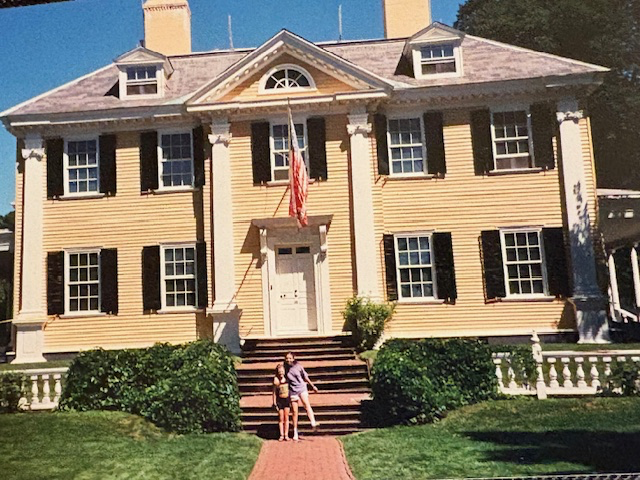
This is the Longfellow House/Washington’s Headquarters in Cambridge. Built in 1759, it was originally the home of a wealthy Loyalist family. But its place in history changed quickly with the outbreak of the American Revolution.
In 1775, George Washington arrived in Cambridge to take command of the Continental Army. For nearly a year, during the Siege of Boston, this house served as his headquarters. From here, he organized the army, made critical decisions, and shaped the early direction of the war. Within these walls, the structure of a new nation was beginning to take form
After the war, the house returned to private life, and in the early 19th century it became the home of Henry Wadsworth Longfellow. He lived here for decades, raised his family here, and wrote many of his most known works within these rooms. Under Longfellow, the house became something different, a center of literary life, visited by writers, thinkers and figures from around the world.
What makes this house so remarkable is that it carries both of these histories at once. It was a place where military strategy was formed at a pivotal moment in the Revolution, and later, a place where American literature was shaped and shared.
Recognizing its importance, the home was preserved and eventually became part of the National Park System in 1972, established by Congress and signed into law by President Richard Nixon,
These two girls are my daughters. We visited this house a number of times over the years, sometimes focusing on Longfellow, walking through the rooms where he lived and wrote, and other times on Washington, imagining the decisions made here during the earliest days of the Revolution.
Read More From Nancy
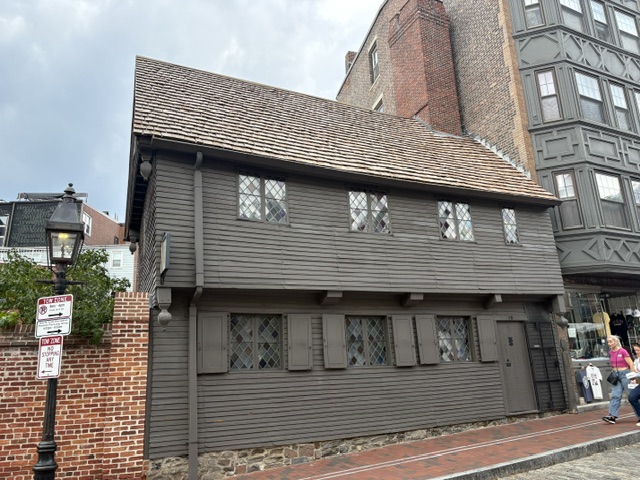
The Paul Revere House
Many of our visits to Boston lead us along the Freedom Trail, even if we follow only a small portion of it. As we meandered through the North End, we returned to the Paul Revere House in North Square. Its wooden exterior, overhanging second story, and diamond-paned windows stand apart from the taller buildings surrounding […]
Frederick Law Olmsted National Historic Site
The first time I visited the Frederick Law Olmsted National Historic Site in Brookline, everything was new to me: his name, his work, even the realization that so many landscapes I had walked through carried the imprint of one mind. I did not grow up knowing who Frederick Law Olmsted was. I knew about parks. […]
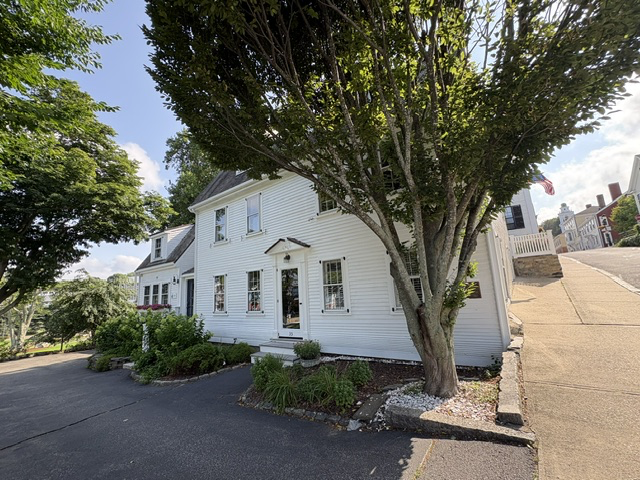
Samuel Lucas – Thomas Howland House
Standing at 36 North Street, the Samuel Lucas–Thomas Howland House does not immediately reveal its extraordinary age. Its white clapboard exterior, regularly spaced windows, and later additions give it the appearance of a traditional New England home. Hidden within that familiar exterior, however, is a structure believed to date from about 1637–1640, placing it among […]

