Fort Davis National Historic Site
I made my way to Fort Davis National Historic Site, set in the mountains of West Texas near Fort Davis.
Rather than sitting on open plains, Fort Davis is tucked into a rugged landscape, surrounded by low mountains that both protect and isolate it. Established in 1854, the fort was built to safeguard the San Antonio/El Paso Road, a vital route for travelers, mail, and commerce moving across this part of the country.
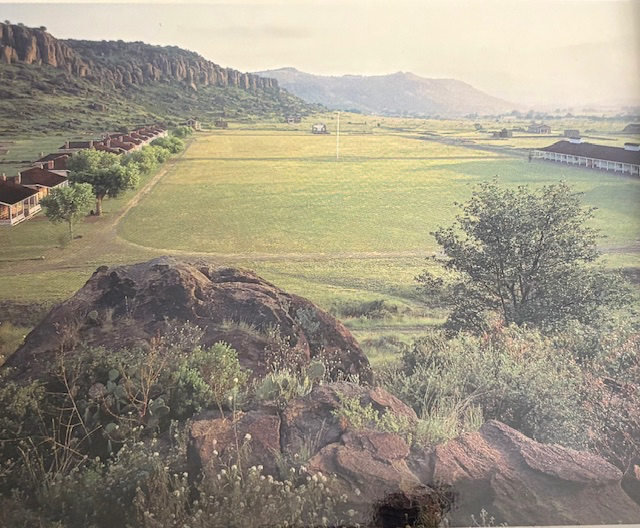
The early years were interrupted by the Civil War, when the fort was abandoned. But it was reoccupied in 1867, and it was during this later period that Fort Davis became most active. Through the 1870s and 1880s, it served as a key military post during the Indian Wars, helping to secure the region.
One of the most important parts of its history is tied to the Buffalo Soldiers, who were stationed here. These African American regiments played a central role in the operation of the fort and in the broader effort to maintain a military presence in the Southwest.
After the military abandoned the fort in 1891, the structures began to deteriorate. Over time, there was a growing recognition of the importance of preserving what remained. That effort led to the site being designated as a National Historic Site in 1961 and placed under the care of the National Park Service.
Read More From Nancy
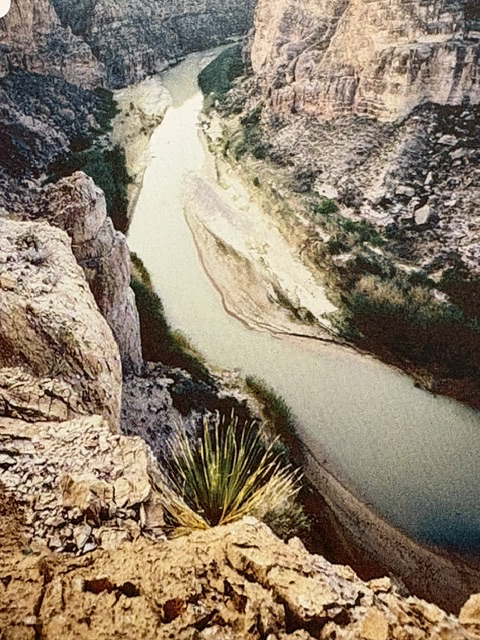
Big Bend National Park
Big Bend National Park in southwest Texas is one of the largest and most remote national parks in the United States. Established in 1944, the park protects more than 800,000 acres where the Chihuahuan Desert, the Chisos Mountains, and the Rio Grande come together to create one of America’s most diverse landscapes. Although Big Bend […]
White Sands National Park
White Sands is one of those landscapes that feels almost otherworldly as there is wave after wave of white dunes stretching across the Tularosa Basin in southern New Mexico. What surprised us most was these dunes are not sand but are made of gypsum. Gypsum is a soft mineral that usually dissolves in water, but here, because of the […]
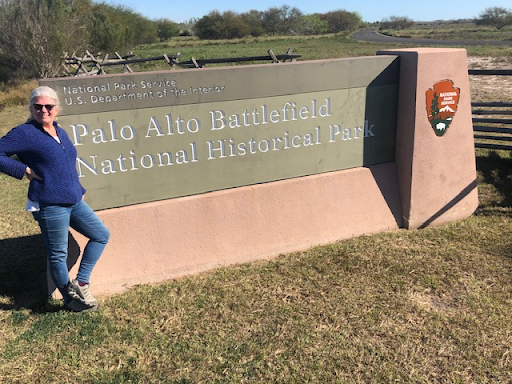
Palo Alto Battlefield National Historic Park
Visiting many of our nation’s historic sites has often happened while I’ve been in an area teaching, and that was true for our visit to Palo Alto Battlefield National Historical Park. The land here feels quiet and open, but the calm setting marks the beginning of a war that would reshape the United States. The Battle of […]

