El Morro National Monument
Rising dramatically from the desert landscape of western New Mexico, El Morro National Monument has served as a landmark, water source, and rating place for travelers for centuries. The massive sandstone bluff stands above a small natural pool that made this isolated place critically important in an otherwise dry landscape.
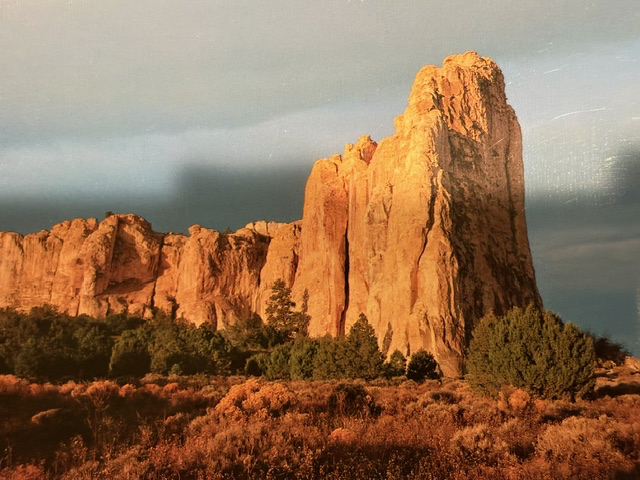
Known as “Inscription Rock, El Morro preserves one of the most fascinating collections of historical carvings in the American Southwest. Around the base of the rock are hundreds of inscriptions left by people who passed through this region over many centuries. The markings include ancestral Puebloan petroglyphs, Spanish colonial inscriptions, Mexican travelers’ names, military expeditions, settlers and later American explorers and surveyors.
Some of the earliest Spanish inscriptions date back to the 1600s, including carvings from 1635 left by Spanish governors, soldiers and explorers traveling t through the region. El Morro became a natural stopping place because of the reliable water source at the base.
El Morro is especially remarkable is how the inscriptions create a layered timeline of Southwestern history. The carvings document centuries of movement across this landscape. Reading the names and dates is like turning pages in a stone history book carved directly into the desert cliff.
Long before European explorers arrived, ancestral Pueblo peoples also used this area. Petroglyphs and the nearby pueblo ruins on the top of the mesa reveal that Native communities lived and traveled through this landscape for centuries. The site reflects the long overlapping histories of Native cultures, Spanish colonization, Mexican rule, and American expansion in the Southwest.
Recognizing the site’s extraordinary historical and archaeological importance, El Morro National Monument was established in 1906 by President Theodore Roosevelt. Today the monument preserves not only the inscriptions themselves, but also the story of the centuries of human passage across the American Southwest
Read More From Nancy
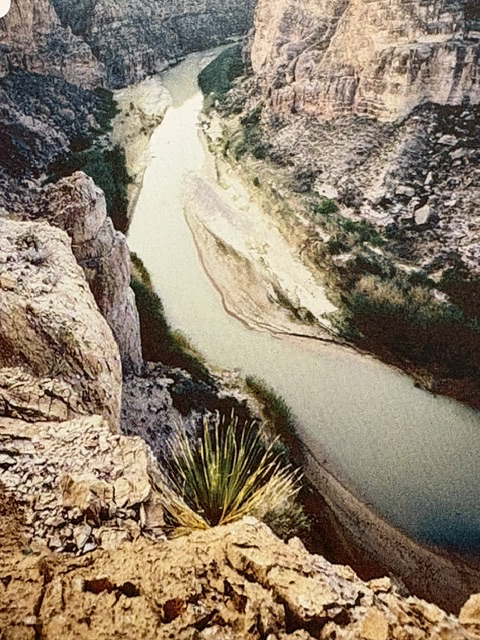
Big Bend National Park
Big Bend National Park in southwest Texas is one of the largest and most remote national parks in the United States. Established in 1944, the park protects more than 800,000 acres where the Chihuahuan Desert, the Chisos Mountains, and the Rio Grande come together to create one of America’s most diverse landscapes. Although Big Bend […]
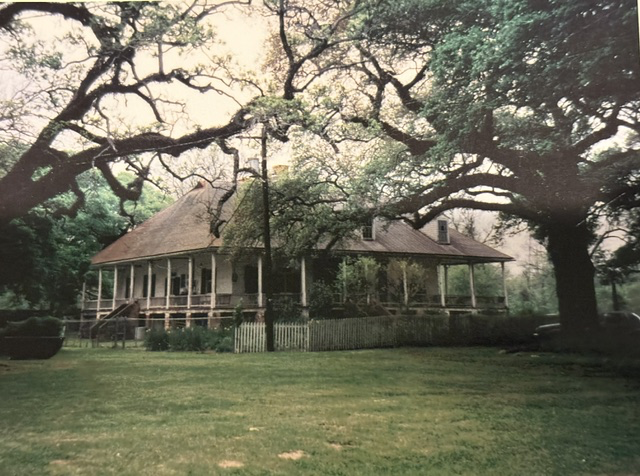
Cane River Creole National Historical Park
Nestled beneath the branches of ancient live oak trees in Natchitoches, the Oakland Plantation at Cane River Creole National Historical Park preserves one of the most complete pictures of plantation life in the American South. The plantation was established in the late 18th century, and the main house was completed around 1821. Over time, Oakland became a large working […]
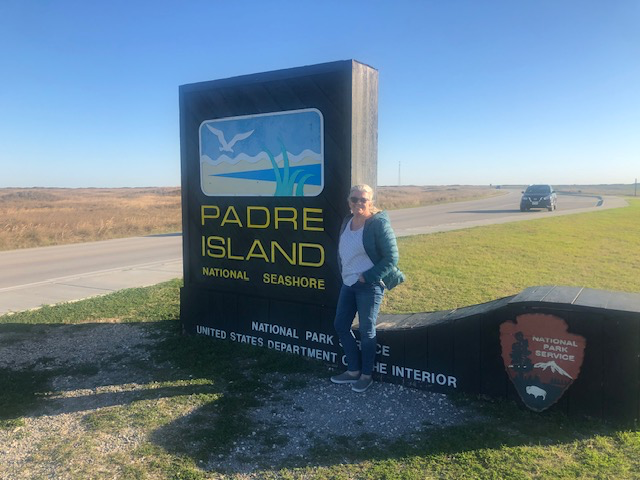
Padre Island National Seashore
On one of our seminars in Texas, we took the time to drive down to Padre Island National Seashore. The landscape changed as we approached the coast. Texas roads gave way to stretches to water and salt air. Padre Island National Seashore protects the longest undeveloped barrier island in the world, nearly seventy miles of […]

