Morse Institute
In the center of Natick stands a building that reflects generosity and vision: The Morse Institute Library, established in 1873.
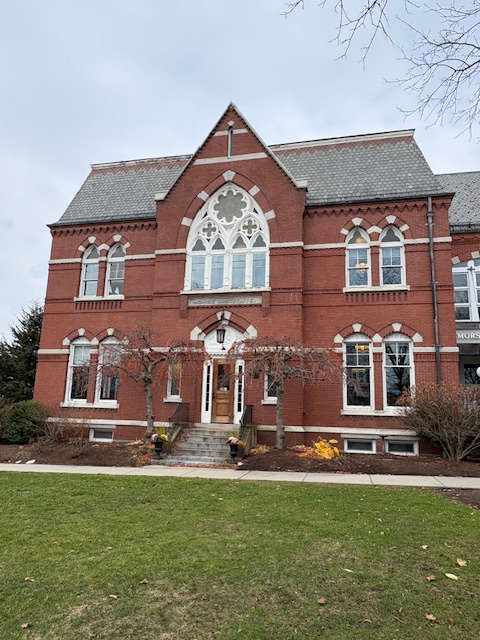
This library was not simply constructed as a civic project. It was created through the will of Mary Ann Morse, who chose to leave a lasting gift to her community. The building itself was erected on the very site of her birthplace and family home, tying the institute not just to the town, but to her personal history within it. She transformed a private place into a public one, where knowledge and access would be shared freely.
This original structure is a strong example of Victorian Gothic architecture. Its detailed stonework, and pointed arches was meant to inspire as well as serve. Architecture itself reinforced the importance of learning and community.
The Morse Institute Library was Natick’s first free public library, opening its doors to all at a time when access to books and information was still limited for many. That idea of free and open access was central to its mission and remains one of its most enduring contributions.
Read More From Nancy
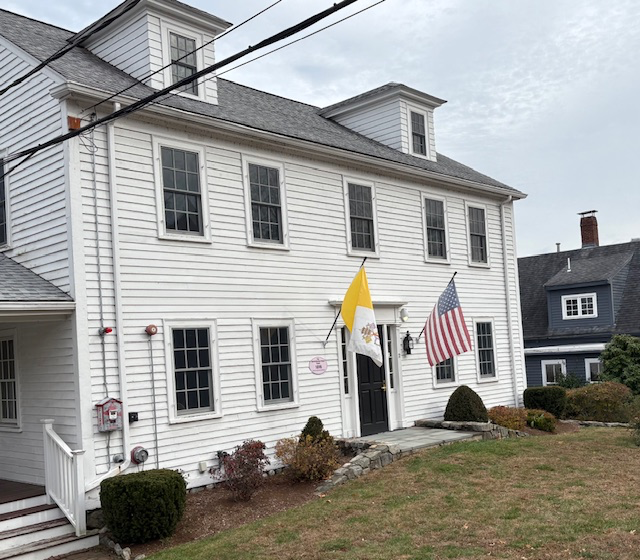
Home of Calvin Ellis Stowe
This 1816 Federal-style home in South Natick was the childhood home of Calvin Ellis Stowe a biblical scholar and later the husband of Harriet Beecher Stowe, author of Uncle Tom’s Cabin. Calvin Stowe became a scholar of Hebrew and biblical literature and met Harriet Beecher at the Lane Seminary in Cincinnati. They married in 1836, and […]
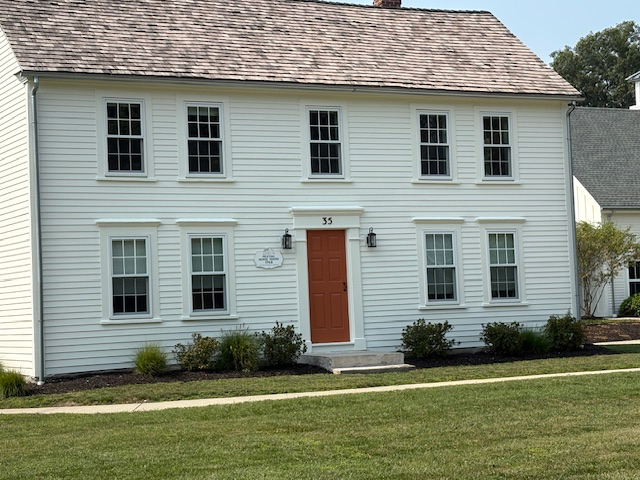
The Peletiah Morse Tavern
Within less than a mile from my home lies the historic heart of South Natick. From the legacy of the Praying Indians to the colonial homes and 19th-century landmarks that still line the streets, this small village holds a deep well of history waiting to be shared Today, I share one of these colonial treasures, the Peletiah […]
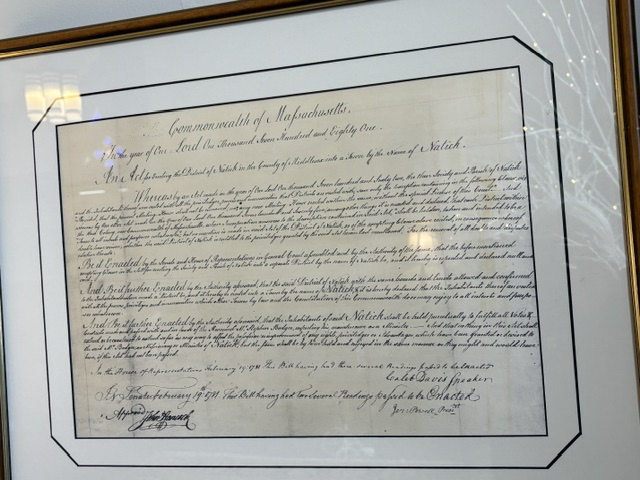
Natick’s Act of Incorporation
Natick’s history began long before it became an incorporated Massachusetts town. In 1651, the missionary John Eliot and a group of Indigenous Christian converts established Natick as one of New England’s first “Praying Towns.” The community developed its own systems of worship, government and agriculture while also enduring increasing colonial control, the loss of land […]

