Home of Calvin Ellis Stowe
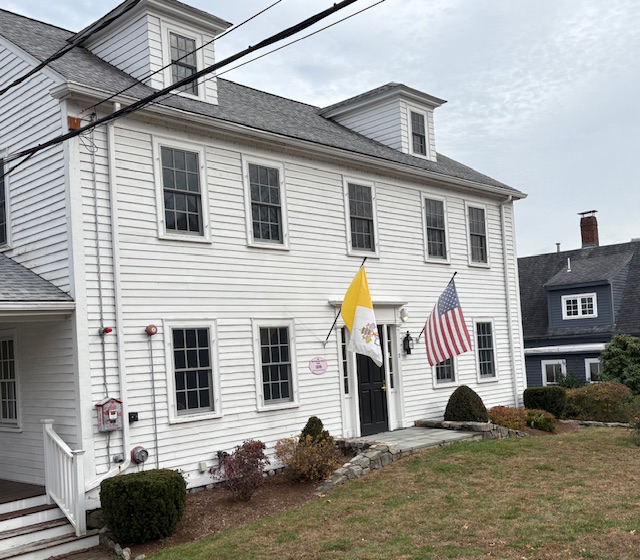
This 1816 Federal-style home in South Natick was the childhood home of Calvin Ellis Stowe a biblical scholar and later the husband of Harriet Beecher Stowe, author of Uncle Tom’s Cabin.
Calvin Stowe became a scholar of Hebrew and biblical literature and met Harriet Beecher at the Lane Seminary in Cincinnati. They married in 1836, and he was instrumental in supporting her when she wrote Uncle Tom’s Cabin – the novel that changed the course of American history.
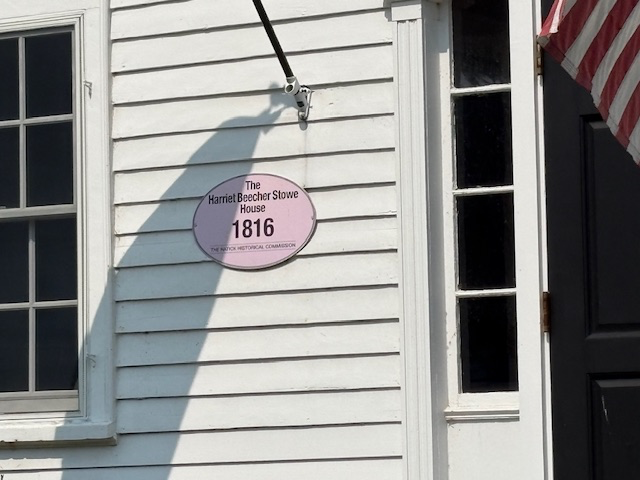
Although Harriet never lived in South Natick, she visited the Stowe family home with her husband. In her 1869 novel, “Oldtown Folks”, she transformed South Natick into the fictional “Oldtown”, a New England village rooted in memory. She wrote:
“Oldtown was one of those quiet New England villages where everything has a settled, orderly air; where houses seem to have grown up like the elms, with a certain venerable grace, where the generations have followed one another like the leaves upon the trees” Harriet may not have lived in South Natick, but she absorbed the rhythms of a small town in Massachusetts.
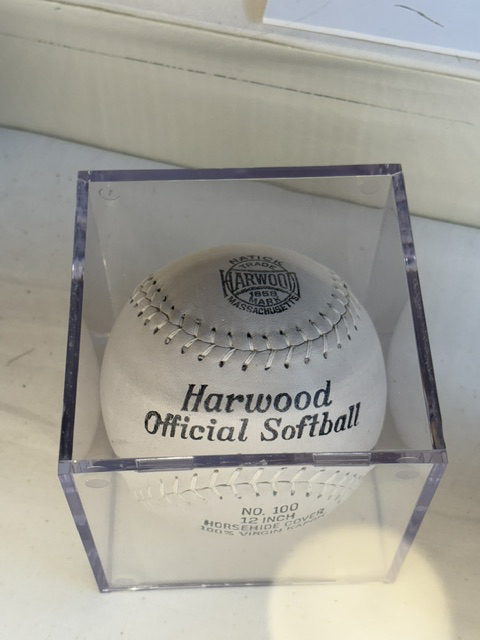
Read More From Nancy
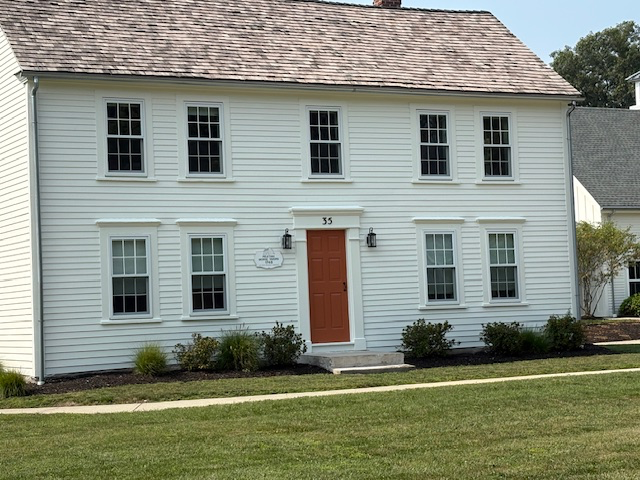
The Peletiah Morse Tavern
Within less than a mile from my home lies the historic heart of South Natick. From the legacy of the Praying Indians to the colonial homes and 19th-century landmarks that still line the streets, this small village holds a deep well of history waiting to be shared Today, I share one of these colonial treasures, the Peletiah […]
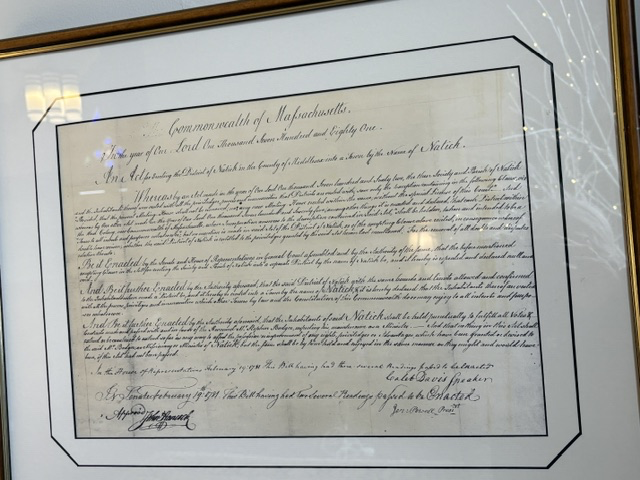
Natick’s Act of Incorporation
Natick’s history began long before it became an incorporated Massachusetts town. In 1651, the missionary John Eliot and a group of Indigenous Christian converts established Natick as one of New England’s first “Praying Towns.” The community developed its own systems of worship, government and agriculture while also enduring increasing colonial control, the loss of land […]
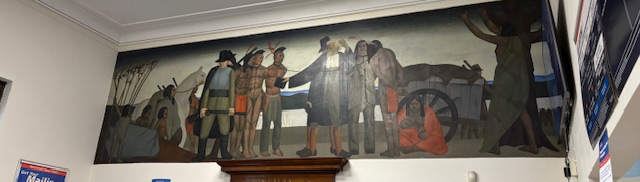
“John Eliot Speaks to the Natick Indians.”
One of the most thought-provoking works of art in my hometown hangs in an unexpected place—the downtown Natick Post Office. Painted in 1937 by Natick artist Hollis Howard Holbrook as part of the New Deal’s federal post office mural program, John Eliot Speaks to the Natick Indians depicts one of the most significant and tragic moments in […]

