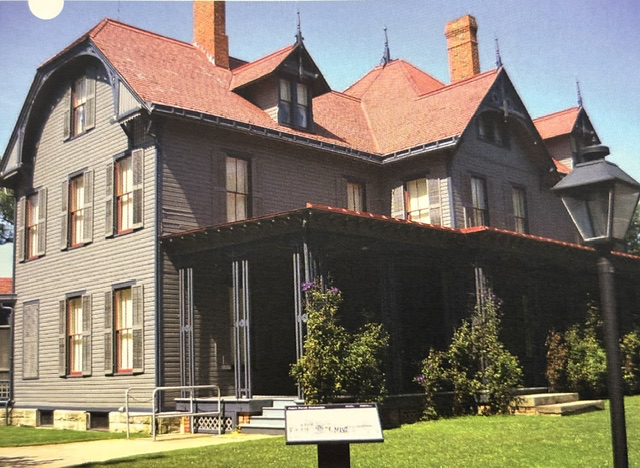
George Washington Carver National Monument
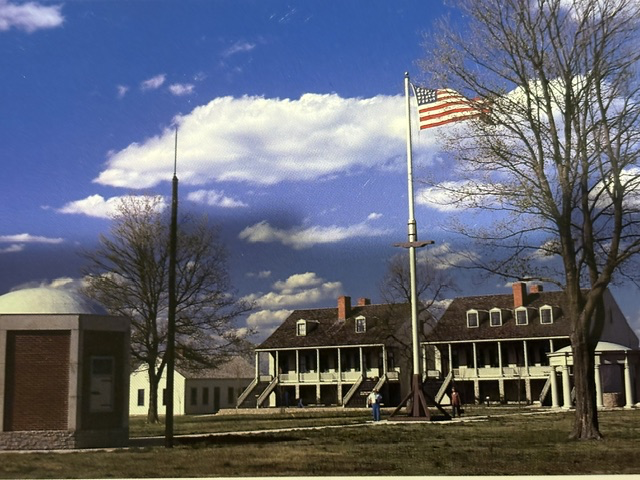
The George Washington Carver National Monument in Diamond, Missouri, honors the life of a man born into slavery who would become one of the most respected agricultural scientists and educators in American history. Visiting this site is about a beginning.
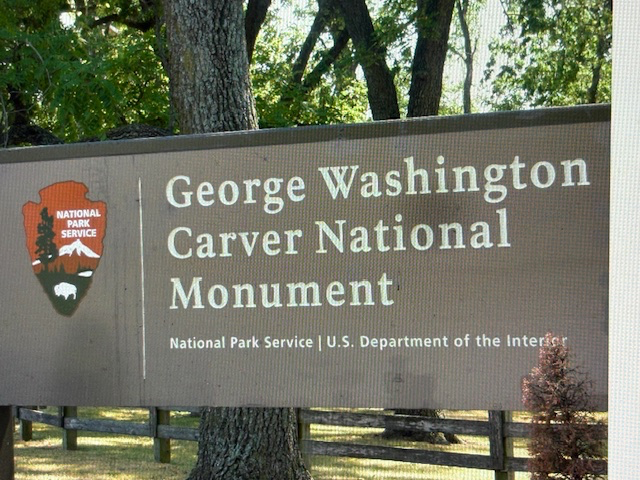
George Washington Carver was born in the early 1860s on a small farm owned by Moses and Susan Carver. Kidnapped as an infant during the Civil War and later returned to the Carver family, he grew up in fragile health but with a deep curiosity about plants and the natural world. This curiosity shaped his life.
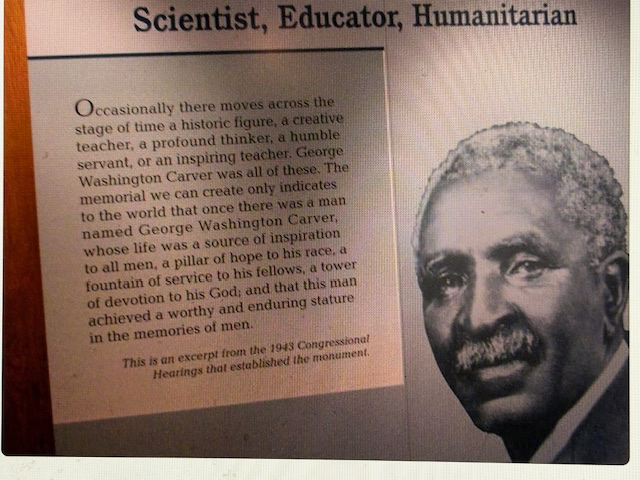
Carver went on to study at Iowa State Agriculture College and later became a professor at Tuskegee Institute, where he developed crop rotation methods and promoted alternatives to cotton, especially peanuts and sweet potatoes. His work helped struggling Southern farmers rebuild depleted soil and create economic sustainability.
The site itself was established in 1943 by Franklin D. Roosevelt, making it the first national monument dedicated to an African American and the first to honor someone other than a president.
This National Park site remembers the small farm in Missouri where ideas were born that changed agriculture across the South.
Read More From Nancy
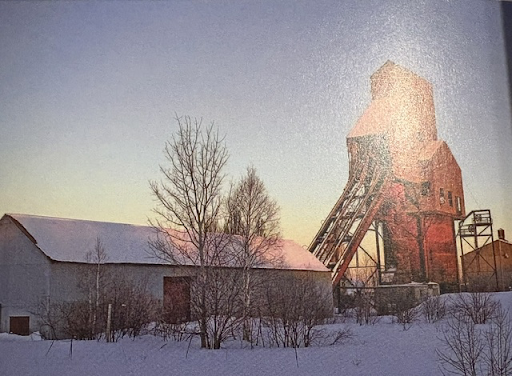
Keweenaw National Park
Traveling through Michigan’s Upper Peninsula with Erin was one of those special road trips that remains long after the journey ends. The Upper Peninsula feels like a world apart from the rest of Michigan. As we explored the region, I was especially drawn to the story of the people who came here seeking opportunity. The history […]
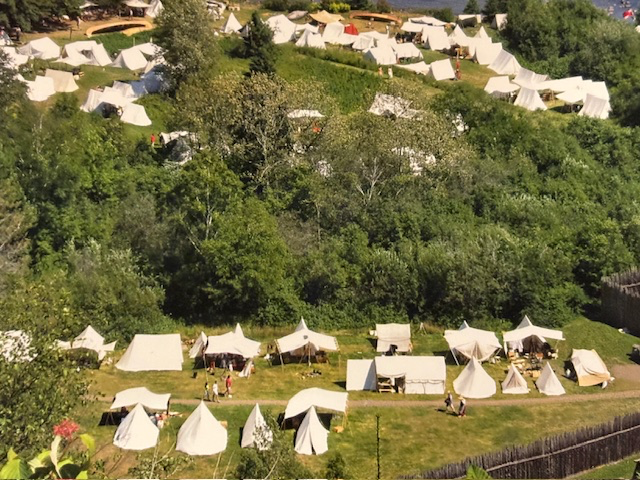
Grand Portage National Historical Site
This is Grand Portage National Monument in Minnesota, a place that tells the story of movement, trade and connection across a vast landscape. I explored much of Minnesota on solo road trips, and it is a beautiful state with miles between sites, long stretch of road. Each destination is chosen with intention, like Grand Portage. Grand Portage […]
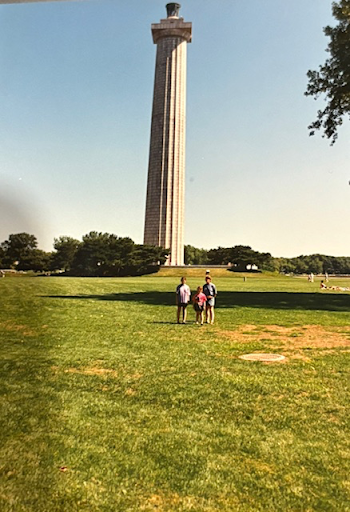
Perry’s Victory & International Peace Memorial
As we continued driving west on our family road trip in 1995, we boarded a boat on Lake Erie and crossed the water to the Perry’s Victory and International Peak Memorial. Reaching this site by water made visiting it more intentional and part of the story. Rising from South Bass Island is this 352-foot granite column that […]

