Pullman National Monument
While teaching in Chicago in 2018, we took a trip to Pullman National Monument, a relatively new addition to the National Park Service at the time.
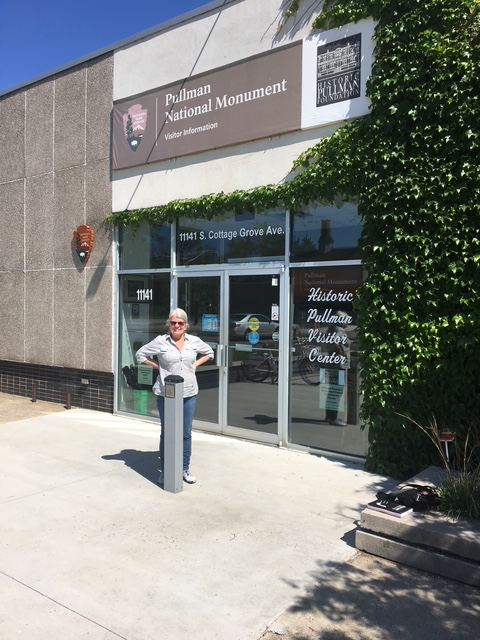
The Pullman community was a grand idea. It was created in the 1880s by George Pullman, founder of the Pullman Palace Car Company. His vision was to create a model industrial town for his workers. The neighborhood included well-built brick homes, landscaped streets, a library, church and access to sanitation, these were rare for working-class families at the time.
Pullman believed a carefully designated environment would create better workers, and a better society. In many ways, the town was ahead of its time, but Pulman owned everything: the homes, stores and public buildings. The workers had little control over their lives.
The tension between idealism and control came to a head during the Pullman Strike of 1894. After an economic downturn, Pullman cut wages and did not reduce rents in company-owned housing. Workers protested, negotiations failed and the strike escalated into a nationwide labor conflict involving railroads across the country.
The federal government intervened with troops. Violence followed and the strike ended with defeat for the workers. This strike exposed the imbalance of power between labor and industry and became a turning point in the American labor movement.
Pullman was designated a national monument in 2015, when Barack Obama used the Antiquities Act to bring the site into the National Park Service. This site preserves a place where ideas about work and dignity collided.

Read More From Nancy
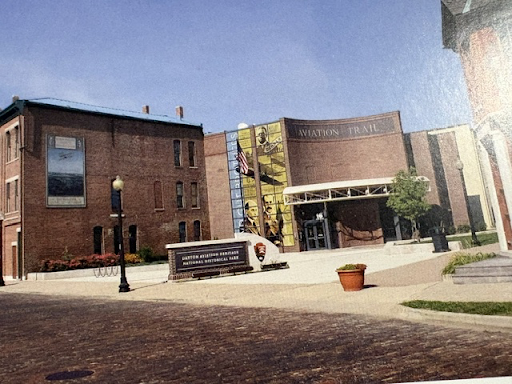
Dayton Aviation Heritage National Historical Park
While many people associate the story of flight with Kitty Hawk, it was here in Dayton that the real work of invention took place. The famous flight may have occurred on the sandy dunes of North Carolina, but the ideas, experiments, calculations and engineering that made it possible were born in Ohio. The Dayton Aviation Heritage National […]
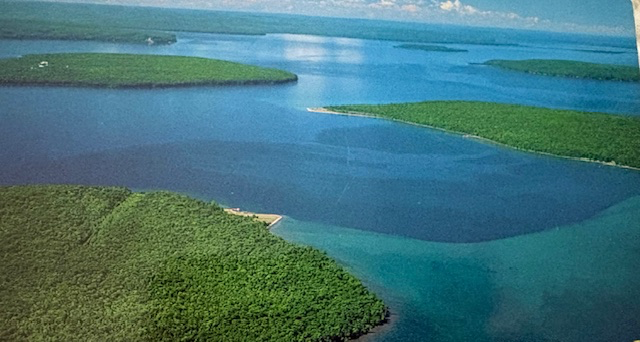
Apostle Island National Lakeshore
There are places in the National Park System that offer a different kind of experience. The Apostle Island National Lakeshore is one of those places. Reaching the Apostles is part of the experience. Located along the northern edge of Wisconsin on Lake Superior. The inland roads give way to water, and the sense of direction […]
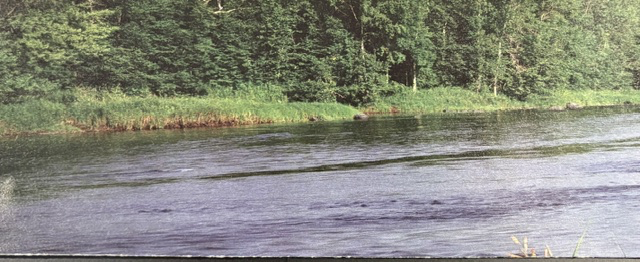
Saint Croix National Scenic Riverway
Calm waters surrounded by countless shades of green define Saint Croix National Scenic Riverway. Extending for 252 miles through Wisconsin and Minnesota, the riverway protects much of the St. Croix River and its largest tributary, the Namekagon River. Forested shorelines, islands, wetlands and rocky cliffs create a remarkably varied landscape along the water. The St. […]

