Fort Larned National Historic Site
Along our coasts and across the vast interior of our country, we have built military forts. They rise not in settled times, but in moments of change, when boundaries shift, when commerce pushes outward, when cultures meet in tension. Fort Larned stands as one of those witnesses to transition.
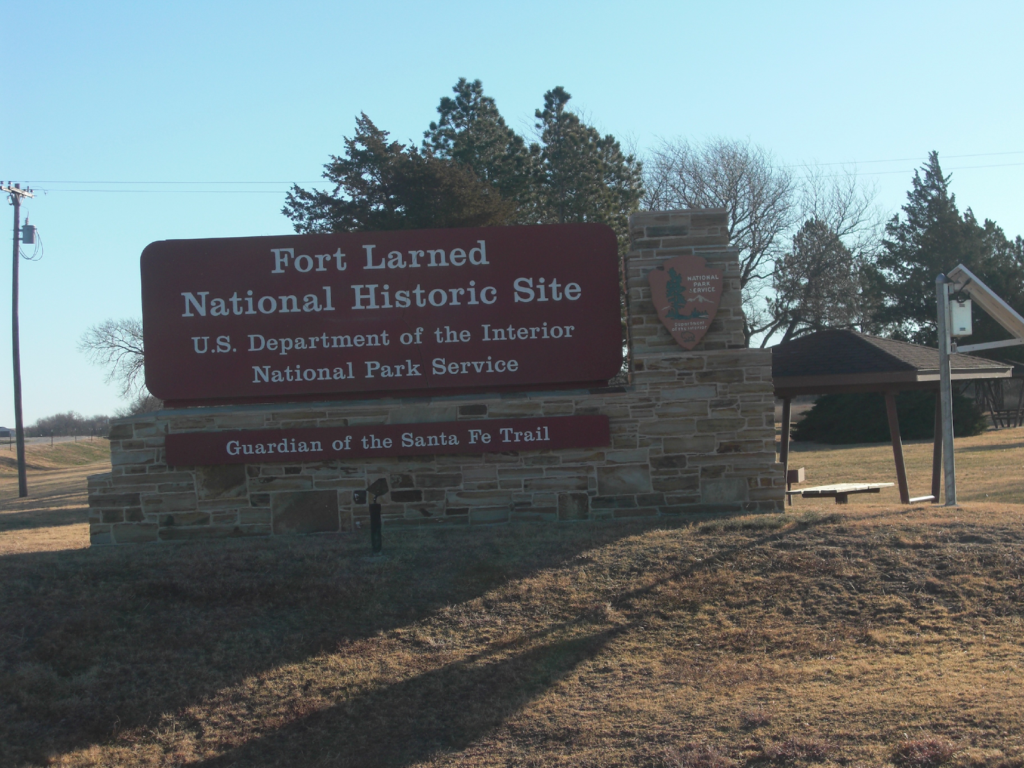
In 1859, along the corridor of the Sante Fe Trail, the United States established what was first called Camp on Pawnee Fork. The Santa Fe Trail was one of the most vital arteries of 19th century America, stretching from Missouri to New Mexico. Wagon trains heavy with manufactured goods rolled westward, silver and trade goods traveled east. Merchants, soldiers, mail carriers and families seeking opportunity moved across the plains.
As American commerce and settlement pressed deeper into Kansas territory, conflict increased with Plains tribes whose lands and way of life were being disrupted. The government responded by building this fort.
Renamed Fort Larned in 1860, in honor of Benjamin F. Larned, the Paymaster General of the United States Army. Though he never served on the Kansas frontier, Larned played a vital role in sustaining the Army during a period of national strain. Naming the fort after him reflected a common military tradition of recognizing senior officers whose leadership helped hold the expanding nation together.
The post became a protective presence along the trail. Soldiers stationed there, escorted wagon trains, guarded mail routes, supplied nearby posts, and projected federal authority across the landscape. Though it never endured a major battle within its walls, the fort played a steady role during years that included the Civil War and the Indian Wars of the Great Plains.
The fort operated until 1878. By then, the railroad had diminished the importance of the Santa Fe Trail and the need that created the fort had passed. The site was recognized for its national significance in 1964 when Fort Larned was authorized as a National Historic Site and signed into law by President Lyndon B. Johnson.
Fort Larned tells the story of a nation in motion and reminds us that America’s growth was not always smooth but negotiated along these dusty trails.
Read More From Nancy
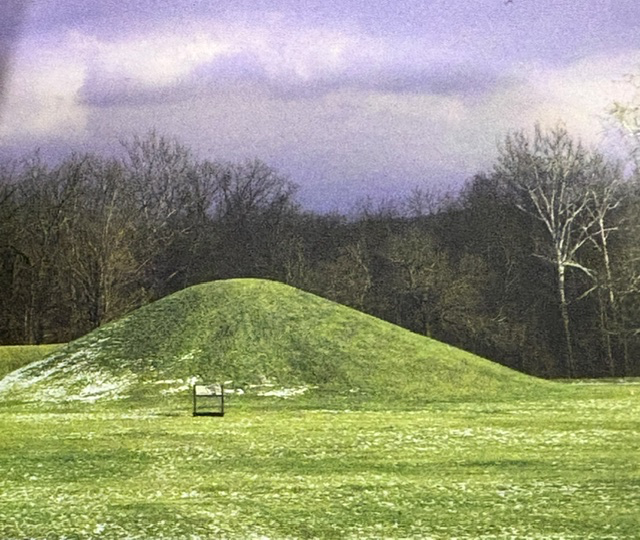
Hopewell Culture National Historical Park
Hopewell Culture National Historical Park in Chillicothe, Ohio, preserves one of the most fascinating archaeological landscapes in North America. Established as a National Historical Park in 1992, the site protects the enormous earthworks and burial mounds built by the Hopewell people, who lived throughout the Ohio River Valley from about 200 BC to AD 500. […]
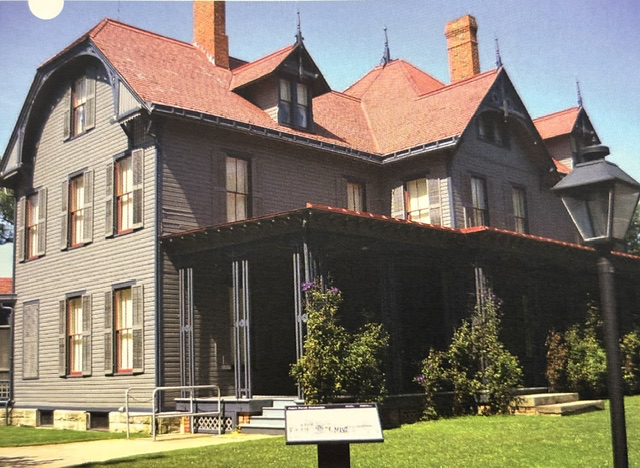
James A. Garfield National Historic Site
When my love for National Parks combines with my fascination with the lives of our presidents, I am always willing to travel out of my way to explore. During a family cross-country trip, we made a stop at the James A. Garfield National Historic Site in Mentor, Ohio, to learn more about one of America’s […]
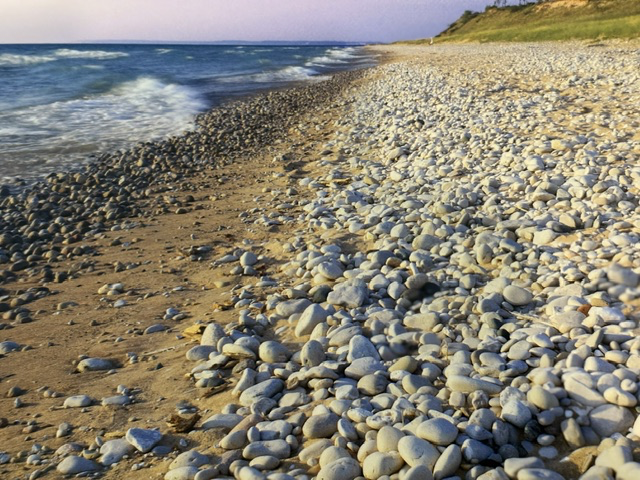
Sleeping Bear Dunes National Lakeshore
Some of America’s most remarkable landscapes were not shaped by rivers or mountains, but by ice. Sleeping Bear Dunes National Lakeshore preserves one of the finest examples of how glaciers transformed the Great Lakes region, creating a landscape where towering dunes, forests, inland lakes, islands, and miles of Lake Michigan shoreline exist side by side. […]

