Agate Fossil Beds National Monument
Agate Fossil Beds National Monument protects one of the world’s richest windows into life nearly 20 million years ago. Agate Fossil Beds National Monument was established on June 5, 1965, to preserve one of the finest Miocene fossil sites in the world. The monument protects an extraordinary collection of ancient mammals whose remarkably preserved remains have helped scientists understand the evolution of life on the North American Great Plains.
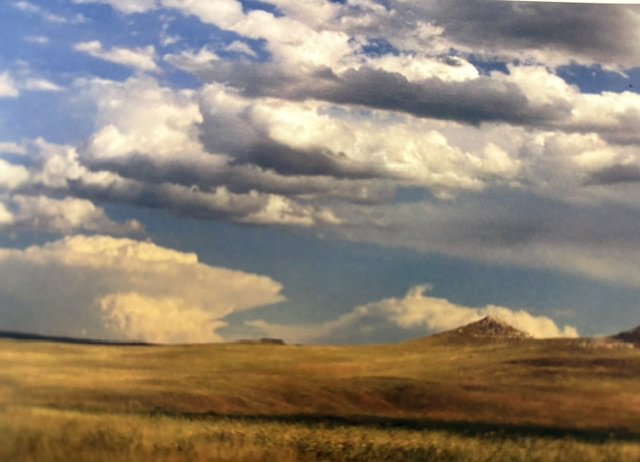
Long before paleontologists arrived, the Lakota Sioux and other Indigenous peoples knew of the unusual bones weathering out of the Nebraska prairie. During the late nineteenth century, scientists recognized the significance of these discoveries and began excavating what would become one of the most important fossil sites in North America. The ancient river deposits preserved complete skeletons of creatures that lived when this region was a lush savanna rather than the open grassland, we see today.
Among the remarkable animals found here were towering rhinoceros-like Menoceras, the long-necked Moropus with claws instead of hooves, bear dogs, tiny three-toed horses, camel relatives, and numerous other mammals that once roamed this ancient landscape. Their fossils have provided scientists with an unparalleled opportunity to study an ecosystem that flourished nearly 20 million years ago.
The monument also preserves an important chapter in American cultural history. James H. Cook, whose ranch surrounded the fossil beds, developed a close friendship with Red Cloud and many leaders of the Oglala Lakota. Their relationships are remembered through an outstanding collection of Plains Indian artifacts and gifts housed in the visitor center, reminding visitors that the story of Agate Fossil Beds is one of both natural and human history.
I especially remember our journey to Agate Fossil Beds because simply getting there became part of the adventure. Traveling across the remote back roads of western Nebraska, we lost our GPS and wandered through miles of quiet farmland before finally arriving at the visitor center. What could have been an inconvenience became an unexpected opportunity to experience the landscape itself. Those empty roads, wide-open skies, and endless fields helped us appreciate just how isolated this remarkable place really is.
It is hard to imagine that this peaceful grassland was once home to an astonishing variety of prehistoric mammals. The rolling plains reveal little of the extraordinary treasures hidden beneath the surface, yet they preserve one of the most complete records of an ancient ecosystem anywhere in the world.

Read More From Nancy
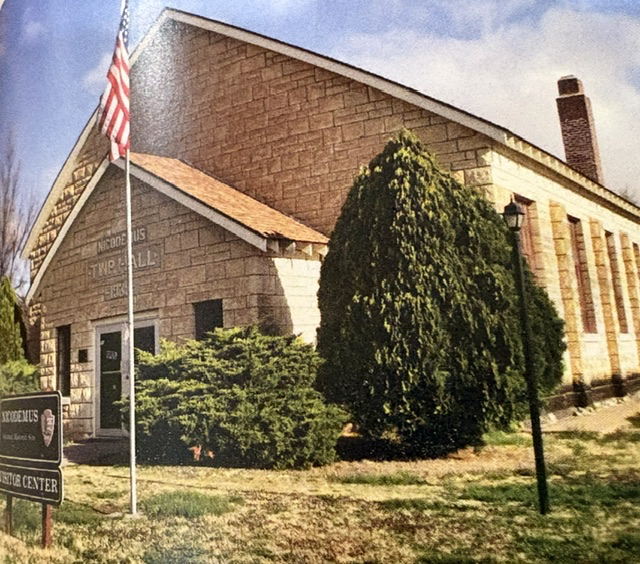
Nicodemus National Historic Site
I have traveled to many of our smaller National Park sites alone. Many of them require long drives across isolated roads where there is not much else to see along the way. But for me, the destinations are always worth it. When we were driving across Kansas towards Colorado, I asked Marty to take a detour […]
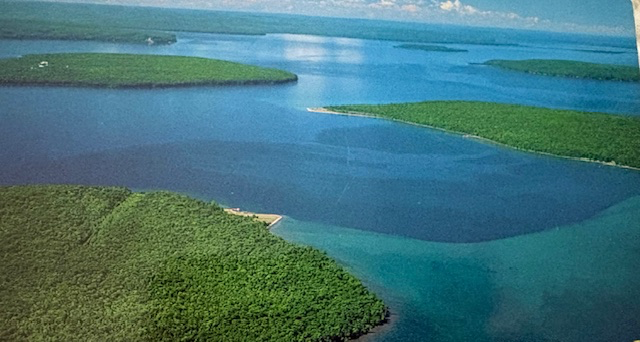
Apostle Island National Lakeshore
There are places in the National Park System that offer a different kind of experience. The Apostle Island National Lakeshore is one of those places. Reaching the Apostles is part of the experience. Located along the northern edge of Wisconsin on Lake Superior. The inland roads give way to water, and the sense of direction […]
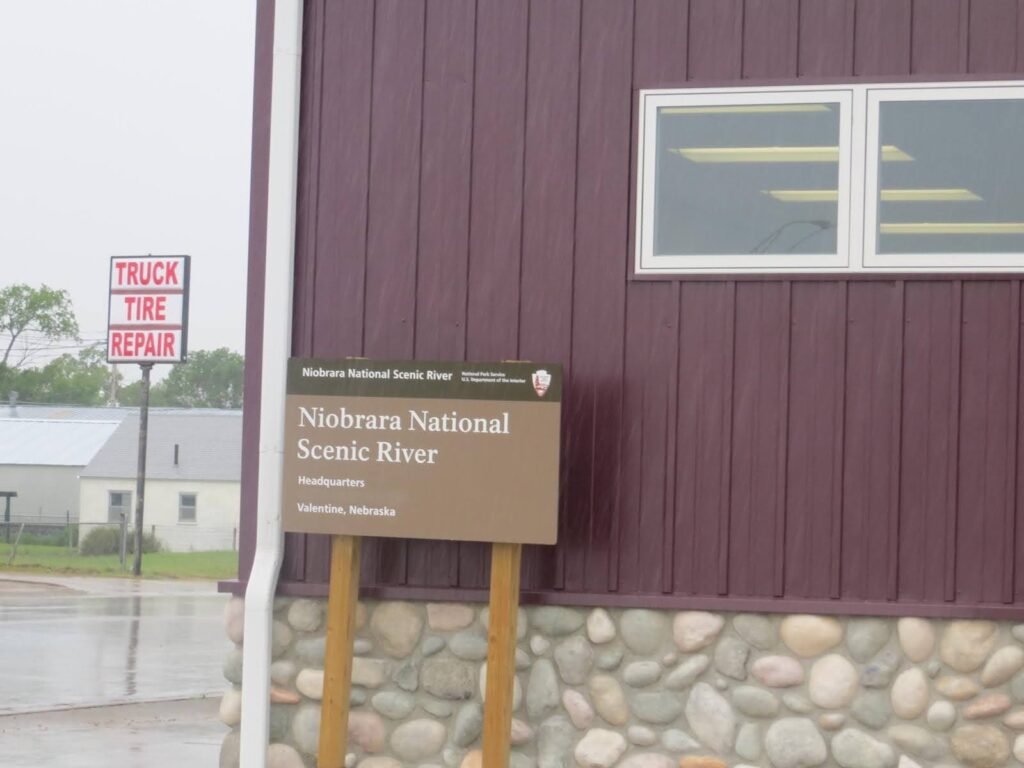
Niobrara National Scenic River
Some National Park sites are immersive, day-long explorations. Others are quick stops, places we discover while driving through an area without the luxury of lingering. But even on those shorter visits, I will always stop at the visitor center. I want to understand why this land is protected. What happened here? What story is layered beneath […]

