The Library — Longfellow House
The library at Longfellow House has served very different purposes across its history. Its bookcases, upholstered furniture, and large central table suggest a comfortable place for reading and conversation. During the American Revolution, however, this was a busy military office.
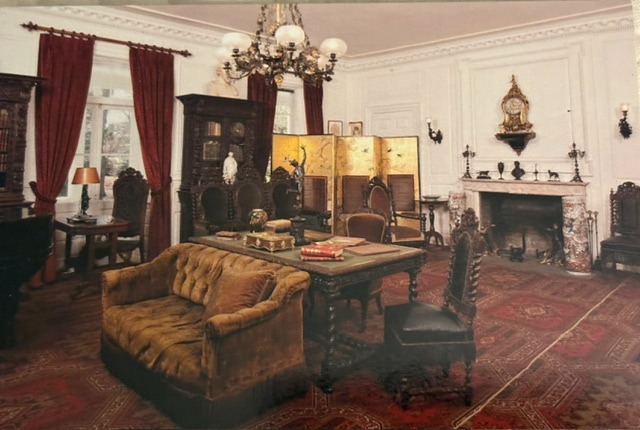
In 1775–1776, George Washington’s aides used the room to prepare orders and manage the correspondence required to organize the Continental Army. The National Park Service describes it as likely the busiest room in the house. Washington’s councils of war took place in the adjoining room, which later became Longfellow’s study.
The library’s spacious appearance developed after Washington’s departure. Around 1793, owner Andrew Craigie enlarged it for entertaining. Its later furnishings belong to the Longfellow family’s life here, rather than to the wartime headquarters.
Henry Wadsworth Longfellow filled the room with books reflecting his interests in languages and literature. The substantial oak library table, purchased by the family in the 1850s, provided space for volumes that often overflowed the shelves. Books were working materials as well as sources of pleasure for the poet.
The room also welcomed music, parties, dances, and children’s activities. Longfellow’s journals recorded evenings when guests performed works by composers including Chopin, Schubert, and Beethoven.
Understanding these different uses changes how we see the room. The same space accommodated the paperwork of a developing army, the reading of a poet, and the gatherings of a family. Its history survives through both the furnishings and the records of what people did here.
Read More From Nancy
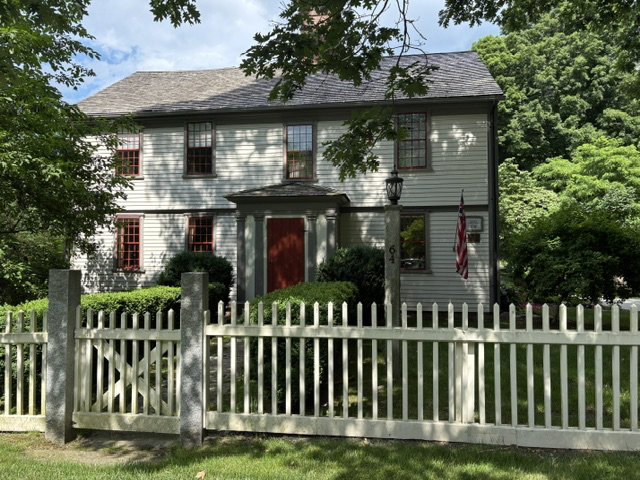
The Jonah and Elizabeth Warren House
Driving along Warren Street in Westborough, this house is easy to admire simply for its age. But its story begins even before Westborough existed as a town and, in an important way, even before European settlement of this area. Jonah Warren and his wife, Elizabeth Seaverns Warren, came from Watertown to the newly developing community […]
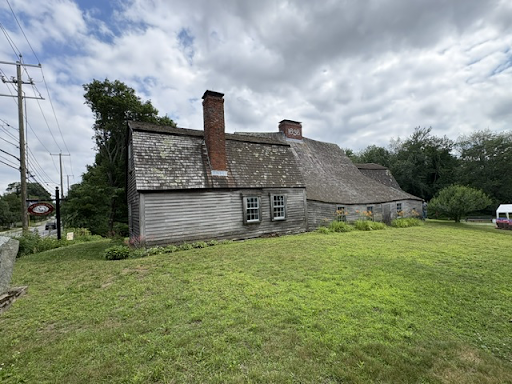
The Fairbanks House
While exploring Dedham, I stopped at the Fairbanks House, a remarkable reminder of New England’s earliest colonial history. At first glance, it appears to be a simple wooden farmhouse, but it is recognized as the oldest surviving timber-frame house in North America. Construction of the original section of the house began around 1637 for Jonathan […]
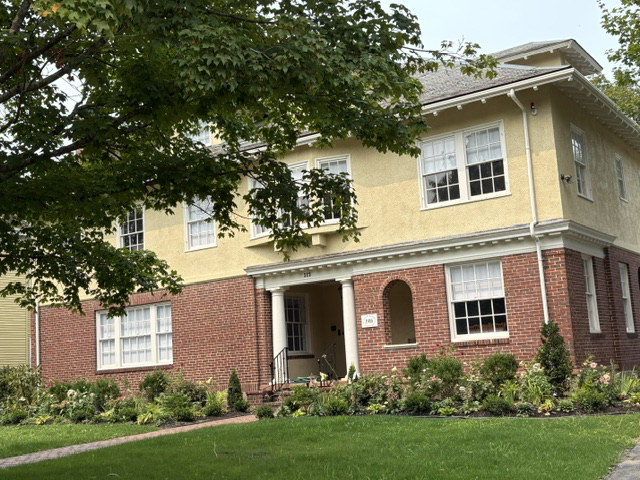
The Stanwood House
Standing at 323 Washington Street in Wellesley Hills, the Stanwood House has been part of this neighborhood for more than a century. Today it is the home of the Wellesley Historical Society and the Wellesley History & Exhibit Center, but the building began as both the family home and medical office of one of Wellesley’s longtime physicians. […]

