The Luxor Obelisk
The gilded diagrams on the pedestal of the Luxor Obelisk tell a different story from the hieroglyphs carved into the ancient stone above them. They record the nineteenth-century engineering required to move the monument from Egypt and raise it in the center of Paris.
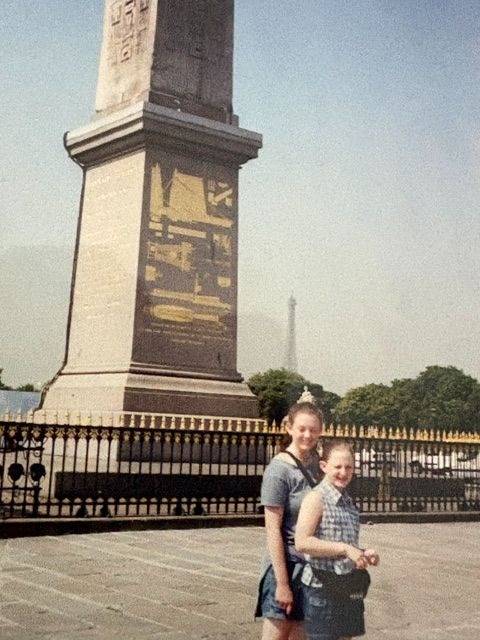
The obelisk originally stood at the entrance to Luxor Temple. In the nineteenth century, Egypt’s ruler, Muhammad Ali, offered France the pair of obelisks that flanked the temple gateway. Only one made the journey; its companion remained at Luxor.
Transporting a massive stone monument required equipment designed specifically for the task. French crews carefully lowered the obelisk and loaded it aboard a specially constructed vessel, the Louxor. Its journey followed the Nile before continuing by sea to France and eventually along the Seine to Paris.
Moving the stone was only part of the challenge. Engineers also had to bring it upright without breaking it. On October 25, 1836, the obelisk was raised in Place de la Concorde, an event commemorated in contemporary paintings and prints.
The pedestal preserves an illustrated account of that undertaking. Its diagrams show the arrangements used to lower, transport, and erect the monument. Rather than concealing the machinery behind the achievement, the base makes engineering part of what visitors are invited to admire.
The monument consequently carries two histories. The ancient shaft preserves inscriptions from its Egyptian setting, while the pedestal records its relocation to France. Together, they connect the obelisk’s original purpose with the diplomacy, technical ambition, and public spectacle that brought it to Paris.
Read More From Nancy
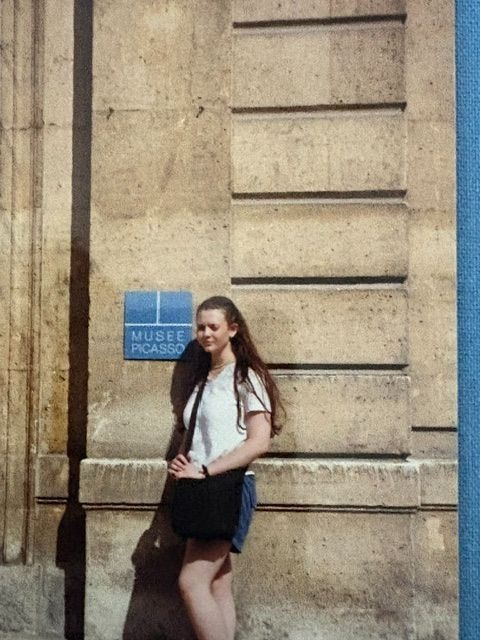
Musée Picasso
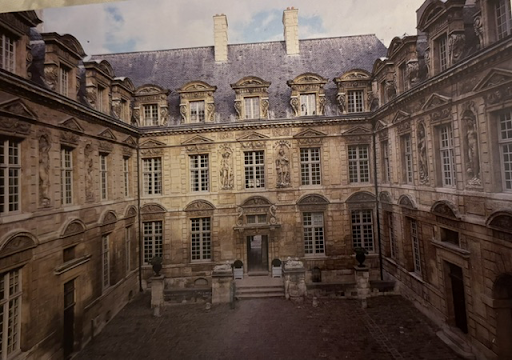
In the Marais district of Paris, the Musée national Picasso-Paris occupies a mansion whose history began more than three centuries before it became a museum. Known as the Hôtel Salé, the building brings together the legacy of a seventeenth-century fortune and the work of one of the twentieth century’s most influential artists. The mansion was […]
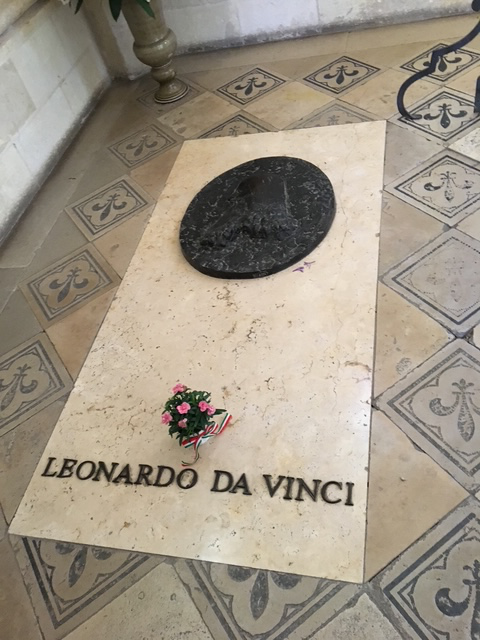
Leonardo’s Grave
High above the Loire River, within the grounds of the Château Royal d’Amboise, stands the elegant Chapel of Saint-Hubert. It is here that visitors come to remember Leonardo da Vinci, not in his native Italy, but in France, where he spent the final years of one of history’s most remarkable lives. By the time Leonardo […]
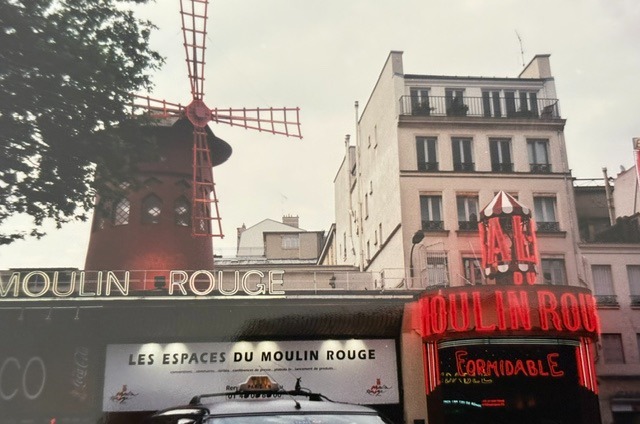
The Moulin Rouge and Its Red Windmill
Above the entrance to the Moulin Rouge, a red windmill announces one of Paris’s most famous places of entertainment. Its name means “Red Mill”, and the windmill has been part of its identity since the cabaret opened on October 6, 1889, at the foot of Montmartre. Founded by Joseph Oller and Charles Zidler, the Moulin […]

