Musée Picasso
In the Marais district of Paris, the Musée national Picasso-Paris occupies a mansion whose history began more than three centuries before it became a museum. Known as the Hôtel Salé, the building brings together the legacy of a seventeenth-century fortune and the work of one of the twentieth century’s most influential artists.
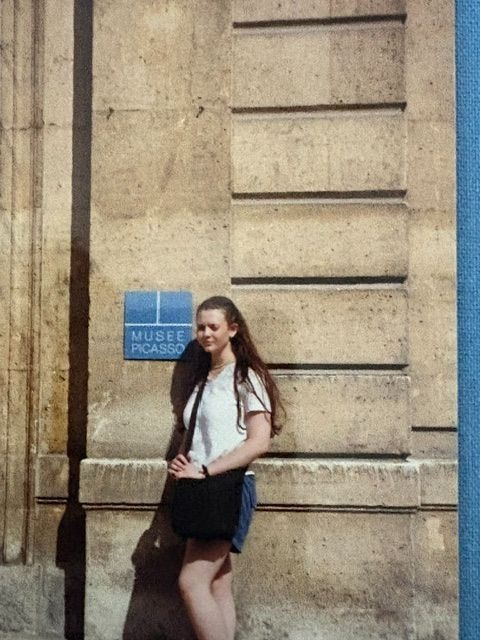
The mansion was built in the 1650s for Pierre Aubert de Fontenay, whose wealth came partly from collecting the salt tax. Its familiar name, Hôtel Salé, refers to that connection: “salé” means “salty” in French. Here, “hôtel” describes a grand private residence rather than accommodation for travelers.
Over the following centuries, the property passed through several uses. It housed a boarding school attended by the young Honoré de Balzac, an engineering school, and workshops associated with bronze casting and decorative metalwork. These occupants adapted an aristocratic residence to educational and commercial purposes.
The building eventually received historic protection and underwent restoration. Its selection as the home of the national Picasso museum gave the mansion another role, with architect Roland Simounet adapting its spaces for the presentation of art.
Opened in October 1985, the museum established a public setting for the study and display of Picasso’s work. The Hôtel Salé became part of that experience, preserving the architecture of an earlier Paris while accommodating a museum devoted to modern artistic experimentation.
Its history extends beyond the artist named at the entrance. A residence financed by taxation became a place of education, craftsmanship, and ultimately public culture—a succession of uses that helped secure the building’s survival.