A Royal Sanctuary for Sacred Relics
Within the medieval royal palace on the Île de la Cité, Sainte-Chapelle served a purpose that was both religious and royal. Louis IX commissioned it to house objects venerated as relics of Christ’s Passion, creating a sanctuary that placed these treasures at the heart of the French monarchy.
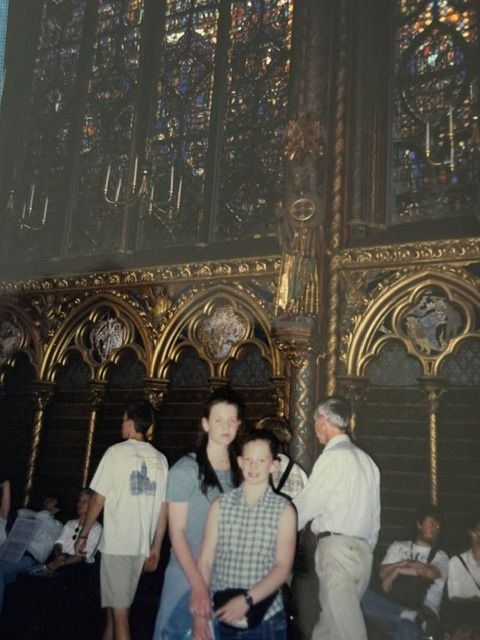
In 1239, Louis acquired the Crown of Thorns from Baldwin II, the Latin emperor of Constantinople. Further acquisitions followed in 1241, including a fragment believed to come from the True Cross. These relics carried enormous spiritual prestige, and their possession strengthened the king’s standing as a Christian ruler.
Completed in 1248, the chapel was arranged on two levels that reflected the hierarchy of palace life. The lower chapel served the palace staff. Above it, the upper chapel accommodated the king and distinguished guests, with the sacred relics occupying the place of greatest honor.
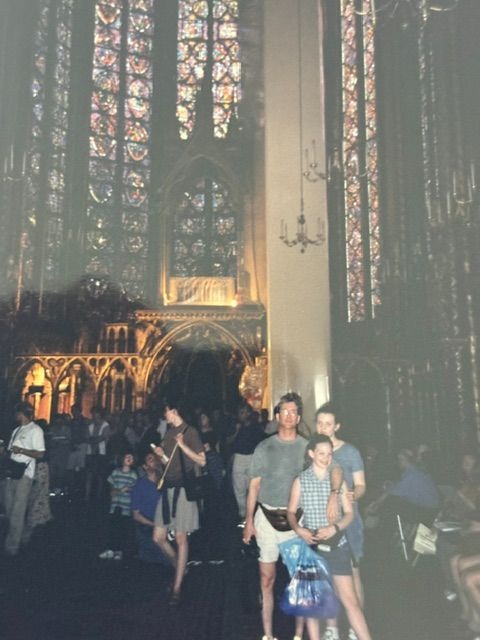
At the eastern end of the upper chapel, an elevated platform supported the great reliquary that contained the collection. This arrangement made the sanctuary itself a monumental setting for the display and veneration of sacred objects.
Sculpture reinforced that purpose. Twelve apostles stand against the pillars of the upper chapel, representing the spiritual “pillars” of the Church. Their placement connects the figures who spread Christianity with the architectural supports surrounding the royal sanctuary.
Sainte-Chapelle’s decoration and organization reveal how closely worship and royal authority were connected in medieval France. Its two levels, sculpted figures, and elevated shrine expressed an ordered world in which the king’s household, sacred history, and monarchy each had an assigned place.
Read More
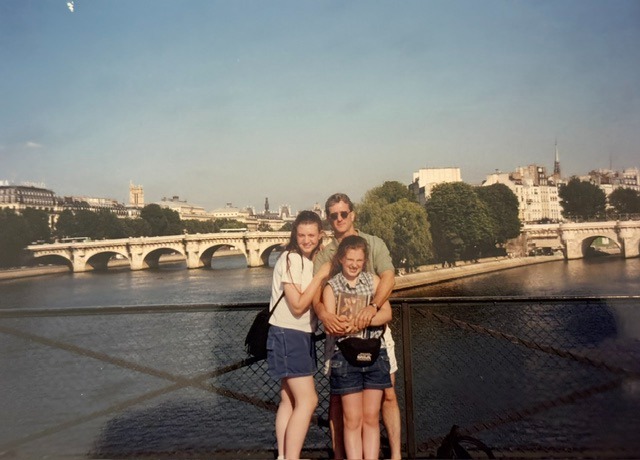
Read More From Nancy
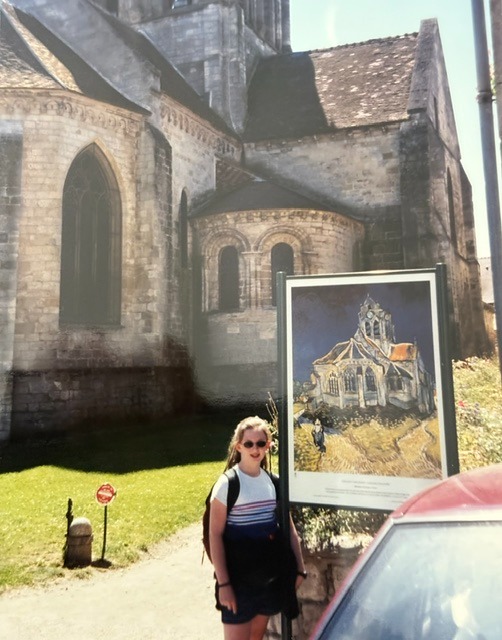
The Church at Auvers-sur-Oise
Erin stands outside the church at Auvers-sur-Oise, beside a reproduction of the painting Vincent van Gogh made of it in 1890. The building and its painted interpretation share the same setting, offering an opportunity to compare the place with the artist’s vision. Van Gogh painted the church in June 1890, shortly after settling in the […]
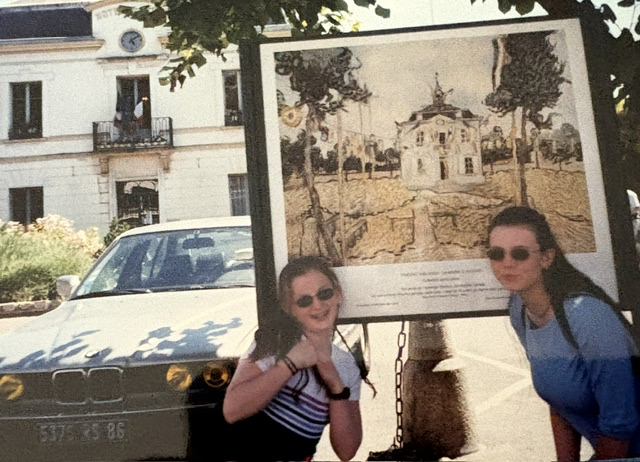
Van Gogh’s Landscape
Visiting museums was an important part of our daughters’ homeschooling. Museums hold many of our cultural treasures, preserving the paintings, objects, and stories through which we encounter the past. But there is another kind of learning that takes place when we leave the museum and enter the landscape that inspired the art displayed within it. […]
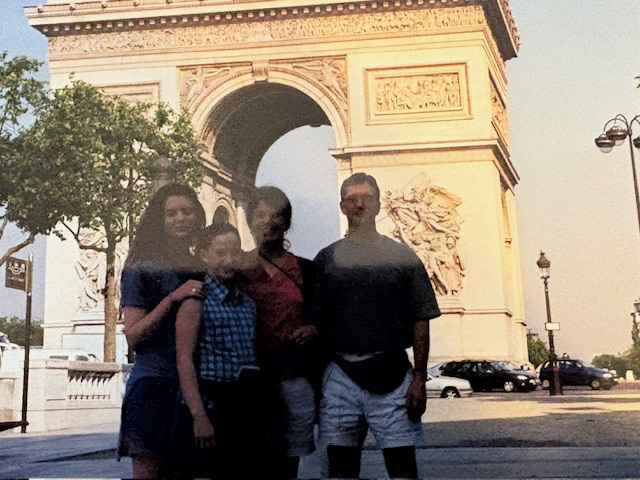
Arc de Triomphe
Few landmarks instantly signal a visit to Paris quite like the Arc de Triomphe. It appears again and again in family photographs, historic parade scenes and images of victory marches. Standing at the western end of the Champs-Elysees, the great arch stands where French history unfolded. The story of the Arc begins in 1806, when Napoleon […]

