Van Gogh’s Landscape
Visiting museums was an important part of our daughters’ homeschooling. Museums hold many of our cultural treasures, preserving the paintings, objects, and stories through which we encounter the past. But there is another kind of learning that takes place when we leave the museum and enter the landscape that inspired the art displayed within it.
During our family trip to France, we traveled outside Paris to Auvers-sur-Oise, the village where Vincent van Gogh spent the final weeks of his life. He arrived in May 1890 and, during approximately ten remarkably productive weeks, created about 70 paintings. He found subjects throughout the village: its church, town hall, cottages, gardens, streets, and the wheatfields surrounding it.
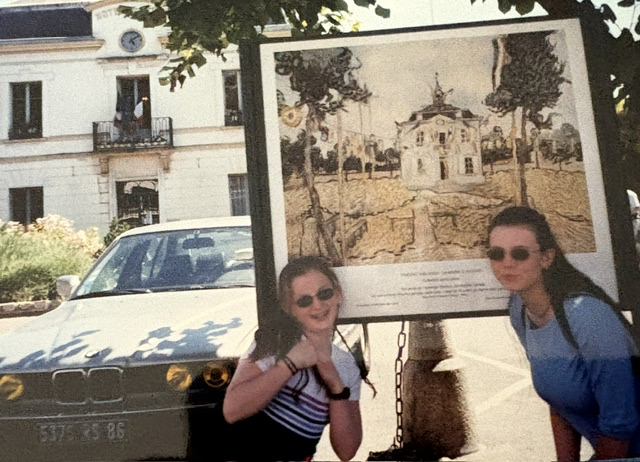
One of those subjects was the Auvers town hall. Van Gogh painted the building on July 14, 1890, when it was decorated with flags and banners for Bastille Day. Standing before the actual building allowed us to compare the ordinary scene with the image Van Gogh created. The structure was recognizable, yet his expressive lines, shifting perspective, and movement transformed it into something entirely his own.
As we walked through Auvers, the village became an outdoor classroom. We were not simply viewing paintings removed from their surroundings and displayed on museum walls. We were walking the streets Van Gogh walked and seeing the buildings and countryside through which he moved during his last months. The signs placed near many of these locations allowed us to stand before the subject and study the painting at the same time.
Museums had introduced our daughters to Van Gogh’s art, but walking through Auvers helped them understand where that art began. Connecting his paintings to the village, buildings, and fields that inspired them brought his work to life in a way that a museum alone could not. It deepened their education while giving us a meaningful experience to share as a family.
Read More From Nancy
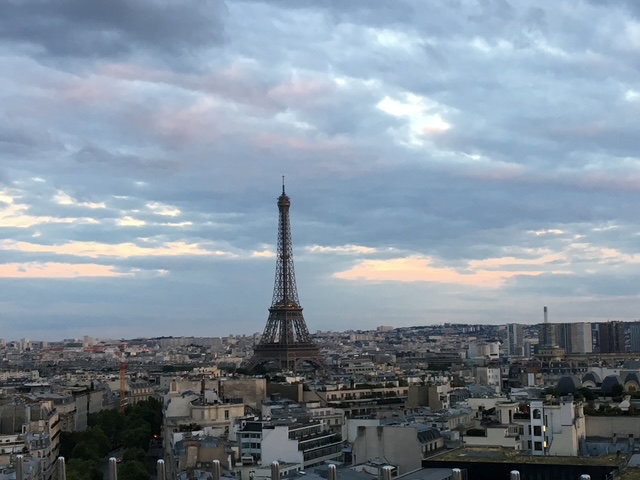
Eiffel Tower
There are certain landmarks across the world that have become instantly recognizable. Once you see them, you know exactly what they are and often where they stand. That is certainly true for the Eiffel Tower. The first time we visited Paris, of course we did what first-time visitors do: we took the ride up the […]
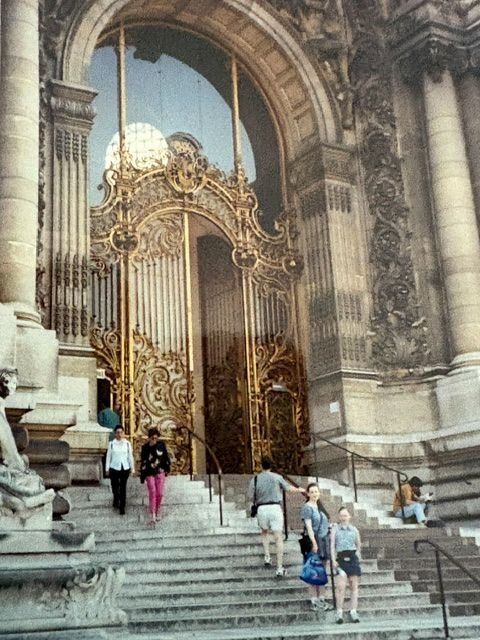
Petit Palais
A sweeping staircase, monumental stone arch, and elaborate gilded gate mark the entrance to the Petit Palais. Designed by architect Charles Girault for the Paris Universal Exposition of 1900, the building made architecture and craftsmanship part of the exhibition itself. Girault also designed the entrance gate. Its curling metalwork and intricate ornament fill the archway […]
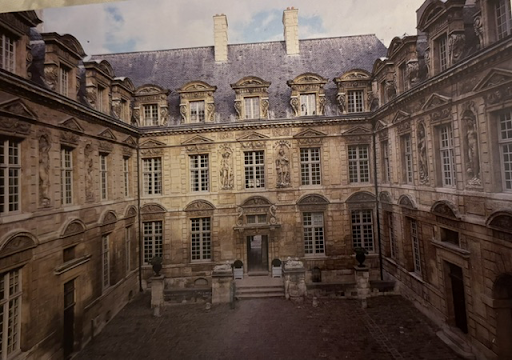
Hotel de Sully
While exploring the historic Marais district of Paris, I wandered into the quiet courtyard of the Hôtel de Sully. Hidden behind an elegant entrance on the bustling Rue Saint-Antoine, this seventeenth-century mansion offers a peaceful retreat from the crowds and provides a glimpse into the lives of the French aristocracy before the Revolution. The Hôtel […]

