Odd Fellow Building – 1887
In downtown Natick, there is this brick building marked “Odd Fellow Building – 1887”. This building was purposely built as the home of the local lodge of the Independent Order of Odd Fellows, one of the most influential fraternal organizations in 19th century America.

Completed in 1887, the building was designed from the outset to serve two functions. The upper floor housed the lodge room and ceremonial hall of Takawanbait Lodge, while the lower floors were devoted to storefronts and offices that could be rented to local businesses. This was a planned investment.
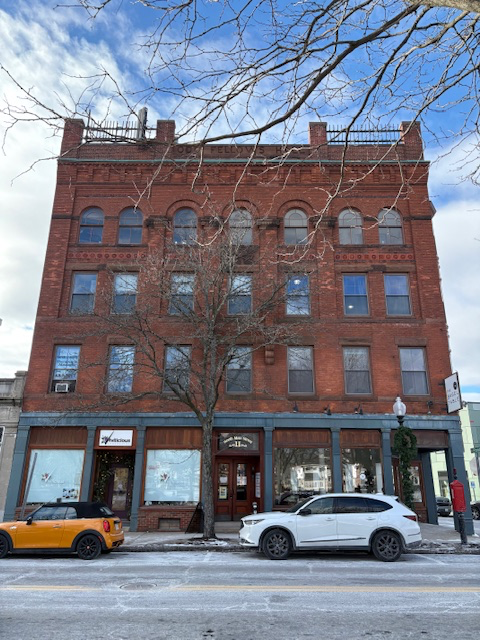
In the late 1800s, the Odd Fellows were a major mutual aid institution, composed of merchants, tradesmen and civic leaders. The Odd Fellows provided sick benefits, funeral expenses and assistance during times of unemployment or hardship. Members paid regular dues over many years, building financial reserves that made ambitious projects possible.
The Takawanbait Lodge was named in honor of Daniel Takawambait, a Native Christian leader associated with Natick’s early Praying Indian community.
Read More From Nancy
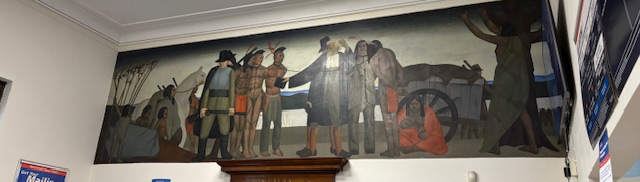
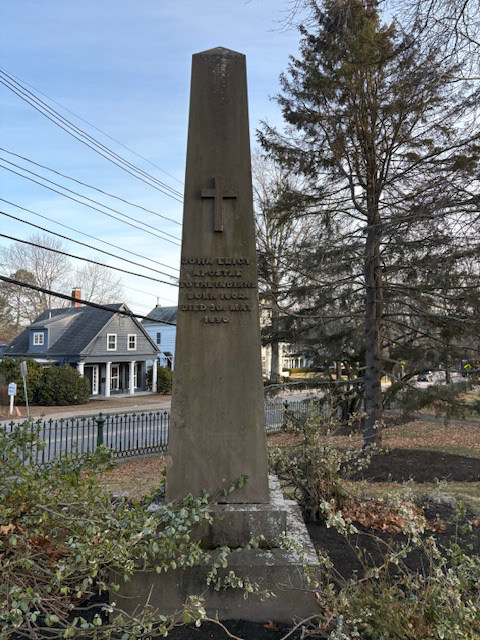
“John Eliot Speaks to the Natick Indians.”
One of the most thought-provoking works of art in my hometown hangs in an unexpected place—the downtown Natick Post Office. Painted in 1937 by Natick artist Hollis Howard Holbrook as part of the New Deal’s federal post office mural program, John Eliot Speaks to the Natick Indians depicts one of the most significant and tragic moments in […]
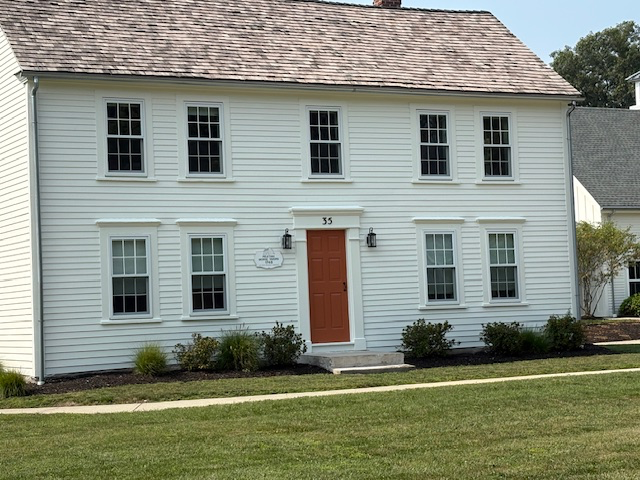
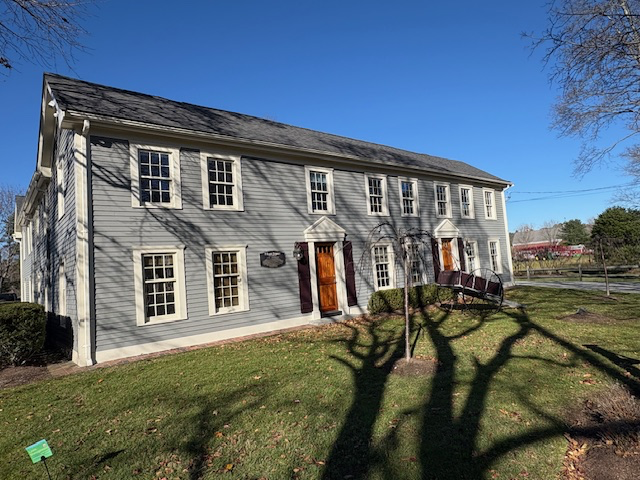
The Peletiah Morse Tavern
Within less than a mile from my home lies the historic heart of South Natick. From the legacy of the Praying Indians to the colonial homes and 19th-century landmarks that still line the streets, this small village holds a deep well of history waiting to be shared Today, I share one of these colonial treasures, the Peletiah […]
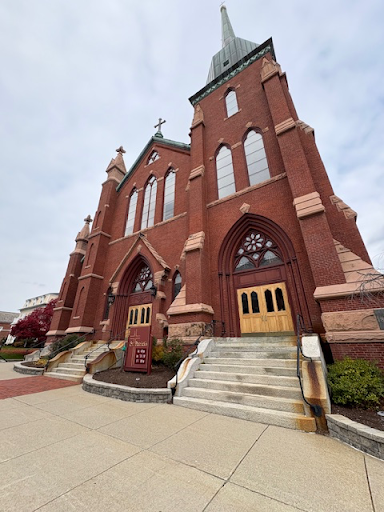
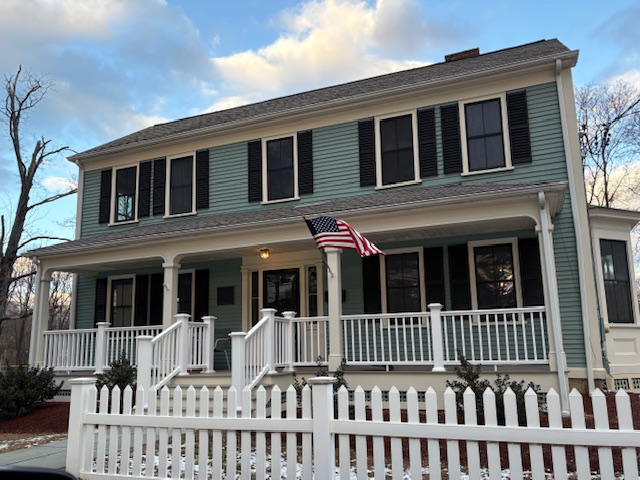
St. Patrick’s Church
The cornerstone of St. Patrick’s Church, laid in 1892, marks more than the construction of a building. It represents the beginning of an enduring Catholic presence in Natick. Before this time, Catholic families gathered in borrowed halls, private homes and makeshift chapels, worshipping quietly in a community still defined by its Protestant roots. By the late […]

