Ames Shovel Works
A shovel is a simple tool, but making thousands of strong, dependable shovels required skilled workers, specialized machinery, and a carefully organized factory. At the Ames Shovel Works in North Easton, the surviving stone buildings preserve the story of an industry that helped shape the town and supplied tools for projects far beyond Massachusetts.
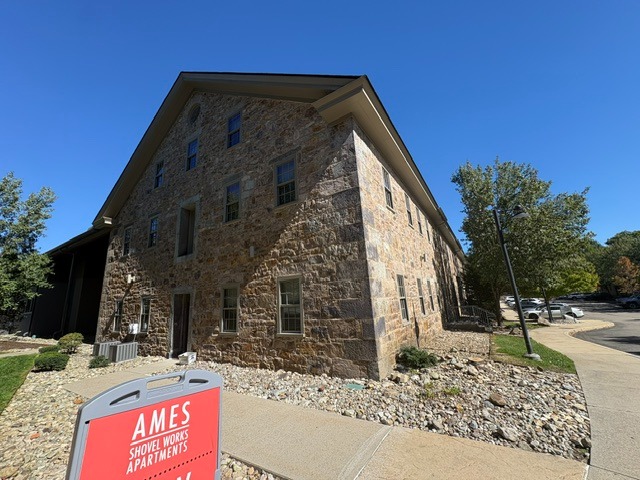
Oliver Ames established his shovel business in North Easton in 1803, using the waterpower available along the Queset River. The company grew as demand increased for tools used in farming, construction, mining, and transportation. Ames shovels reached the California goldfields and the Australian gold rush, connecting this Massachusetts manufacturing village with places undergoing rapid change across the country and around the world.
A disastrous fire in 1852 destroyed the original shovel factory. Temporary shops allowed production to resume while the company developed more durable facilities. The granite buildings that followed became the foundation of the surviving complex, their substantial walls reflecting the demands of an expanding industrial operation.
Each shop had a particular role. The Long Shop, built in 1852, organized production so that workers concentrated on individual steps in making a shovel. This division of labor increased efficiency and anticipated the assembly-line methods that would later become widespread. The attached Machine Shop, built in 1857, supported that work: craftsmen constructed and maintained the machinery on which production depended.
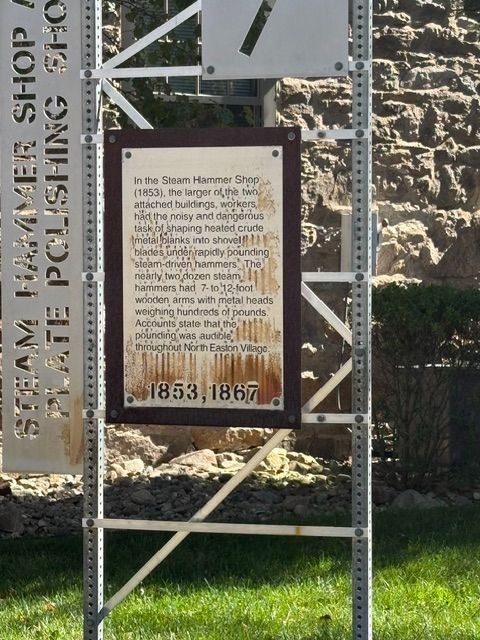
The Steam Hammer Shop, dating to 1853, reveals the physical intensity of manufacturing. Workers shaped heated metal blanks beneath steam-powered hammers, turning them into shovel blades through repeated blows. According to the site’s interpretive marker, nearly two dozen hammers operated with wooden arms seven to fourteen feet long and metal heads weighing hundreds of pounds. Their pounding could be heard throughout North Easton Village.
The work involved heat, noise, heavy equipment, and considerable danger. Behind the company’s commercial success were people who handled hot metal, operated machinery, maintained equipment, and repeated demanding tasks throughout the working day. The surviving shops give attention to the labor that made large-scale production possible.
Ames tools also supplied the Civil War and the construction of the transcontinental railroad. The company’s reach made North Easton part of national developments, while its factories and employment shaped daily life close to home.
The former industrial grounds have since been adapted for apartments. Their continued use preserves the stone shops as part of the town’s everyday surroundings. These buildings retain the history of an enterprise whose familiar product depended on a complex system of craftsmanship, machinery, and human effort.
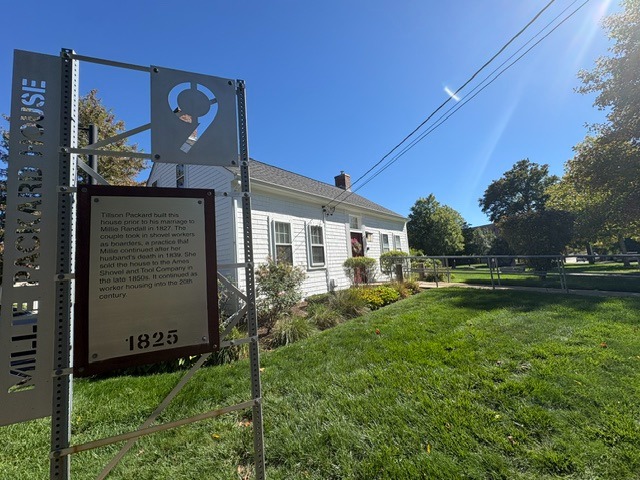
Read More From Nancy
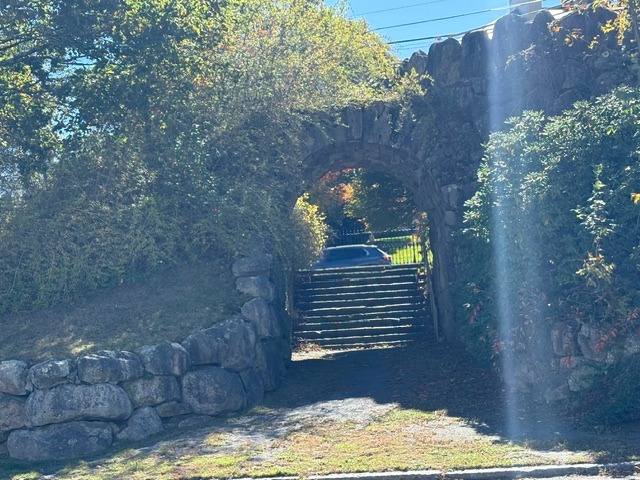
The Rockery
The Rockery in North Easton is a Civil War memorial whose meaning is expressed through stone and landscape. Designed by Frederick Law Olmsted in 1882, it honors local residents who died in the war. Its rugged walls, planted slopes, and stone archway create a memorial that visitors can walk through, bringing remembrance into the everyday […]
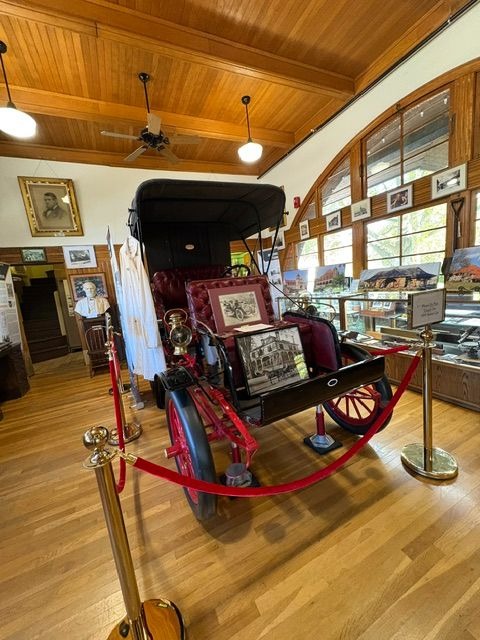
The Morse Runabout
With its tall wheels, upholstered seat, and overhead canopy, the Morse Runabout recalls a time when automobiles still resembled the horse-drawn vehicles they were beginning to replace. Preserved in the Easton Historical Society Museum, the car introduces a less familiar chapter of the town’s industrial history: its connection to early automobile manufacturing. The museum identifies […]
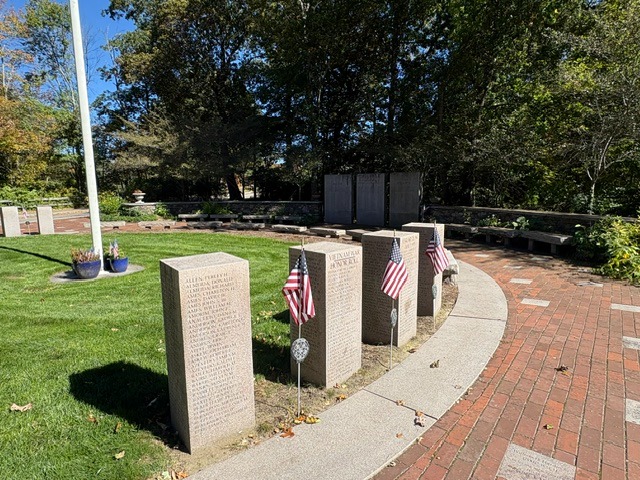
Veterans Memorial Park
Veterans Memorial Park in North Easton brings military remembrance into a quiet public setting. Granite monuments, American flags, brick paths, and benches surround an open lawn, creating a place where visitors can pause and consider the service of people connected to the town. The inscriptions give that remembrance a personal dimension. Rather than referring only […]

